
Vandaag of morgen in huis

Kwaliteit gegarandeerd

Welkomstaanbiedingen ontgrendelen: GRATIS bezorging | Tot 80% korting | Gratis 30 dagen JoyPlus-proefperiode
Download de app
When buying soy products, you will quickly notice major differences in flavour, preparation, packaging and nutritional values. A sweet soya drink for breakfast requires different characteristics from tofu for hotpot or edamame as a snack. For vegans, vegetarians and people following a lactose-free diet, it is therefore sensible not to look only at the front of the packaging.
The following points will help you distinguish marketing language from verifiable product information.
Words such as “natural”, “high in protein” or “without additives” can make a product appealing, but they do not always tell the whole story. Always check the ingredients list and nutritional information table. For example, a fruit-flavoured soya drink may contain sugar, maltodextrin and flavourings.
Alpro Soya Drink Banana lists, among other things, 58 kcal, 3 grams of protein and 6 grams of sugar per 100 ml. This makes the drink suitable as a sweet, chilled beverage, but not automatically as a substitute for an unsweetened soya drink in every recipe.
Tofu, tahoe, tofu skin and fried tofu have different textures and uses. Frozen tofu often needs to be heated, while some dried tofu rolls need to be soaked first. A product described as “ready to eat” may still be intended to be mixed into a hot meal.
Therefore, always check the preparation method, storage temperature and instructions for after opening. The cold chain is particularly important for frozen products: according to the product information for several items, a product that has thawed must not be refrozen.
Soya milk and soya drinks can often be stored at room temperature before opening, but must be refrigerated afterwards. Tofu, edamame and other Asian soy products may have a shorter shelf life. A multipack or larger pack is only practical if you can use the product in time and have enough freezer or fridge space.
Choose according to how you plan to use it:
Soy is an allergen that must be checked by anyone with a soy allergy. Also look out for other ingredients such as gluten, wheat, sugar, oil and flavour enhancers. Be&Cheery Five-Spice Flavor Tofu Strips contains both soy and wheat gluten. This is relevant to consumers who want to eat not only lactose-free but also gluten-free products.
Composite products may also contain stabilisers, calcium salts or flavourings. This is not necessarily a problem, but it should match your preferences.
Always compare products based on the same quantity. For drinks, protein, sugar and calcium are relevant factors. Alpro Soya Drink Vanilla lists 3 grams of protein, 6.8 grams of sugar and 57 kcal per 100 ml. The Red Berries variant lists 2.6 grams of protein, 6 grams of sugar and 53 kcal per 100 ml.
The difference is greater with solid plant-based proteins. YAN ZHI FANG Soybeans lists 35 grams of protein per 100 grams, while the composition of fried tofu is also affected by its oil content. So do not look only at the protein content; also consider fat, salt and portion size.
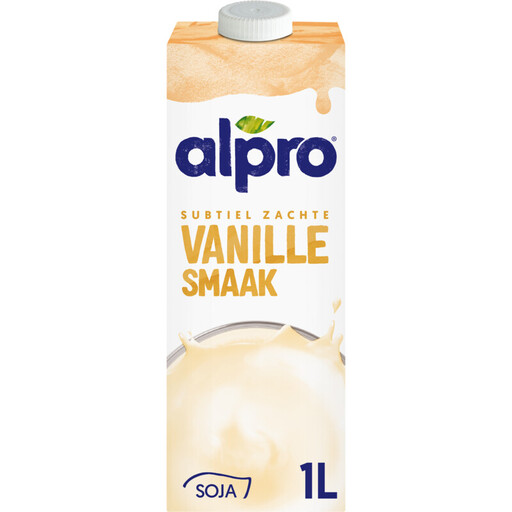
Why it suits this profile: A familiar one-litre pack for breakfast, coffee, smoothies or simply drinking chilled. The product information states that this soya drink is vegan, lactose-free and gluten-free.
The nutritional values and ingredients are clearly stated. However, bear in mind that it contains 6.8 grams of sugar per 100 ml.
1-litre capacity; 3 grams of protein per 100 ml; fortified with calcium and vitamins according to the label.
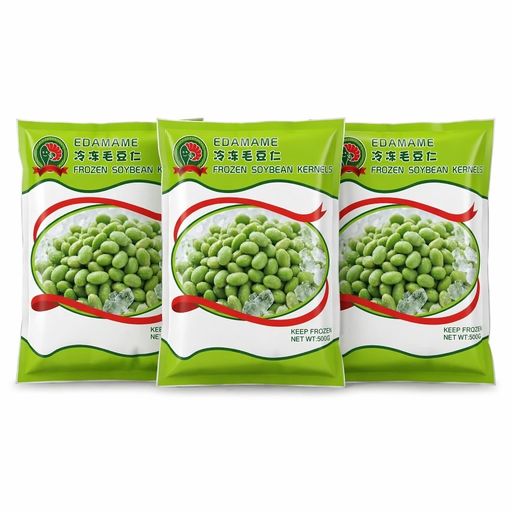
Why it suits this profile: The three 500-gram packs are ideal for households that regularly use edamame in salads, soups, rice dishes or as a snack.
The portions are divided across several packs, so you do not have to open everything at once. Store the product according to the instructions on the packaging.
1.5 kg in total; suitable for a range of dishes; frozen packaging for planned use.
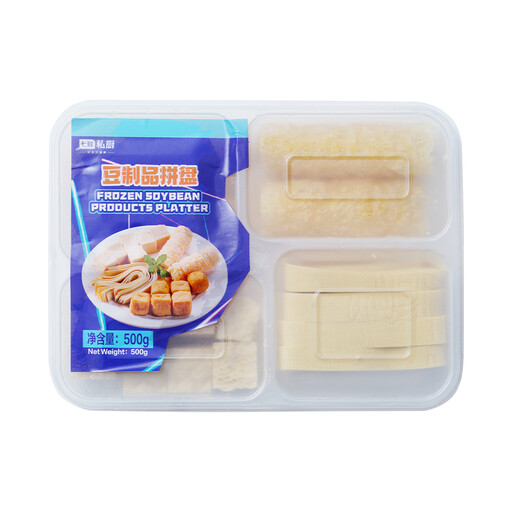
Why it suits this profile: This frozen mix combines tofu, soya sheets, fried soya puffs and fried tofu rolls for hotpot, soup and stews.
The packaging lists the four components separately and provides different cooking times. This tells you which component should go into the stock and when.
Four textures in one pack; suitable for hotpot; store at -18 °C or below according to the product information.
We have put together a complete, up-to-date list of products that fully meet these strict selection criteria and the applicable European safety regulations.
For a drink, you can choose from plain, vanilla, banana, red berries, pandan or chocolate. Always check the sugar content of flavoured soya milk. For cooking, tofu skin, fried tofu and soybean rolls are interesting options because they absorb sauces and stock. If you want to keep preparation to a minimum, choose edamame that only needs heating.
Dried soybeans require more planning. According to the product information, YAN ZHI FANG Soybeans contains only soybeans and provides 35 grams of protein per 100 grams. Black beans are another option with their own flavour and cooking time. Soak and cook these products according to the instructions on the packaging.
Many soya drinks are naturally lactose-free, and some packaging states this explicitly. Always check the label, especially for prepared desserts or products with several ingredients. Soy itself is an allergen and is therefore not suitable for people with a soy allergy.
Follow the storage temperature stated on the packaging. Fresh tofu is usually kept refrigerated, while edamame and frozen tofu should remain at around -18 °C. After thawing, a product must not be refrozen when this is excluded on the packaging.
Tofu and tahoe generally refer to curdled soybean mass, with the name varying by region. Tofu skin, also sold as soya skin or soybean sheet, is a thinner layer made from soya milk that is suitable for rolls, hotpot, soup and cold dishes. Its texture and preparation therefore differ clearly from ordinary tofu.
