
Vandaag of morgen in huis

Kwaliteit gegarandeerd

Welkomstaanbiedingen ontgrendelen: GRATIS bezorging | Tot 80% korting | Gratis 30 dagen JoyPlus-proefperiode
Download de app
Choosing the right soy powder can be confusing. You're standing in the aisle—or browsing online—and see terms like soy milk powder, soy protein powder, and soy protein isolate. They might look similar, but they are designed for very different purposes. One is perfect for a creamy, plant-based drink with breakfast, while another is specifically formulated for muscle recovery after a workout. Making the wrong choice leads to a product that won't meet your expectations. This guide will help you find the right soy powder for your needs, based on facts and specifications.
To ensure you make the right purchase, it's helpful to base your decision on a few clear criteria. Pay attention to the following product parameters.
soy milk powder. These are often designed for a creamy texture and taste when mixed with water. Need a vegan protein powder for post-workout recovery? Then a soy protein powder or a soy protein isolate is a better choice. These contain a much higher percentage of protein and have a purer composition.soy protein isolate can contain over 90 grams of protein per 100 grams, whereas a soy milk powder intended for beverages often has between 15 and 35 grams of protein. Check the nutrition label to verify the exact amount.unsweetened soy powder should ideally contain only soybeans or soy protein isolate. Some products include added ingredients like maltodextrin or maltose syrup for flavour and texture. Check if the product contains added sugars if you prefer to avoid them.Based on the criteria above, we have made a selection of different types of soy powder, each with its own specific purpose.

unsweetened soy powder focused on a pure, creamy soy experience. It is made from a high percentage of soybeans and contains no added sugars, preserving the natural flavour of the soy.plant-based milk powder without added sugars for daily use in drinks or dishes. It is a great option for those who appreciate the pure taste of soy.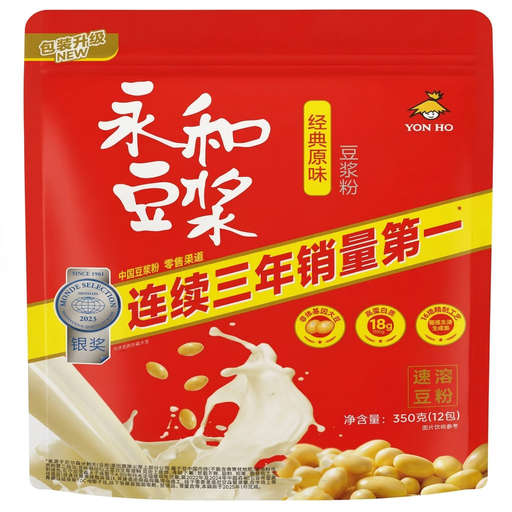
soy milk powder variant, designed for convenience and a mild, slightly sweet taste. It is intended as a quick and nutritious drink for any time of day.soy milk for breakfast or as a snack. Less suitable for those wanting to avoid sugar, given its sugar content of 32 grams per 100 grams. At 18 grams per 100 grams, the protein content is lower than the unsweetened version.
soy protein isolate, specifically developed as a soy protein powder for athletes and individuals with high protein needs. The focus is entirely on maximum protein concentration without any additives.vegan protein powder is the designated choice for athletes (both strength and endurance), vegans, and vegetarians who want to maximise their protein intake for muscle growth and recovery. Also suitable for anyone looking for a pure and sugar-free protein supplement.The world of soy powder is diverse. The products listed above represent distinct categories: an unsweetened milk substitute, a classic soy drink, and a pure protein supplement. If these specific options don't fully meet your needs, or if you're curious about other varieties, flavours, or package sizes, there's more to discover.
See all our soy milk powder products here for a broader overview.
1. What is the difference between soy milk powder and soy protein powder? Soy milk powder is primarily intended to be mixed with water to create a beverage similar to soy milk. In addition to protein, it also contains carbohydrates and fats for a creamy taste and texture. Soy protein powder, and especially soy protein isolate, is a much more concentrated form. The production process isolates the proteins, resulting in a powder with a very high protein percentage and little to no fat or carbohydrates. It is intended as a functional supplement, not as a milk substitute.
2. Is soy powder a good source of protein? Yes, soy is one of the few plant-based sources that offers a complete amino acid profile, meaning it contains all nine essential amino acids that the body cannot produce on its own. Soy protein isolate in particular is a highly efficient source of vegan protein powder, with a protein content that can exceed 90%.
3. How do you make soy milk from powder? The preparation method is typically simple. Always follow the instructions on the packaging. Generally, you add a few tablespoons (often around 25-30 grams) of soy powder to a glass or shaker. Add a small amount of warm or cold water and stir into a smooth paste to prevent lumps. Then, while stirring, add the rest of the water (usually 200-250 ml).
