
Vandaag of morgen in huis

Kwaliteit gegarandeerd

Welkomstaanbiedingen ontgrendelen: GRATIS bezorging | Tot 80% korting | Gratis 30 dagen JoyPlus-proefperiode
Download de app
Soy milk powder is handy for breakfast, the office, on the go or after a workout. You can easily store it in the cupboard and quickly make a plant-based drink with water. Yet many packs look similar. The difference often lies in the soya content, the amount of sugar, the protein level and the portion packaging.
If you only look out for words like “natural”, “protein” or “no added sugar”, you could still end up buying a product that doesn’t suit how you’ll use it. Below are the main pitfalls and checkpoints to consider when choosing soya drink powder.
No added sucrose doesn’t automatically mean a product is low in sugars. A powder may, for example, contain maltose syrup, maltodextrin, crystalline fructose or other sweetening ingredients. Always check the “of which sugars” line per 100g and per serving.
With Joyoung No Added Sugar Soybean Powder, according to the product information, the only ingredient listed is soya bean. The nutritional information states 6g of sugars per 100g. With YON HO Unsweetened Soy Milk Powder Original Flavor, on the other hand, the ingredients list includes soya beans and malt syrup, with 18g of sugars per 100g. The term “unsweetened soy milk powder” therefore calls for extra label checking.
Protein values are usually given per 100g of powder. That’s not the same as the amount of protein in a prepared cup. A 20g sachet with 40g of protein per 100g provides around 8g of protein, before you mix it with water.
So compare:
A plant-based protein powder like Lucovitaal Protein Soy Powder Pure is not the same as a sweet soya drink powder. The product states 23g of protein per 25g serving and, according to the ingredients list, consists of soya protein isolate. That makes it mainly suitable for anyone looking to top up their daily protein intake deliberately, not necessarily for someone after a sweet breakfast drink.
A large bag may seem better value, but sachets are more practical if you’re taking the powder on the train, to the gym or to work. Also pay attention to the amount of water needed. The instructions vary by product:
Also check whether the powder should dissolve completely or whether a small amount of sediment is normal. Ice Spring Matcha Cold Brew, for example, states that a small amount of sediment may occur.
A higher stated soya percentage doesn’t automatically mean you’ll like the taste, but it does help when comparing recipes. Joyoung Black Soybean Pure Soy Milk Powder and Joyoung Pure Soy Milk Powder state 100% soya beans according to the product information. YON HO Original Flavour states 58% soya beans, alongside maltose syrup and sugar, among other ingredients.
Also check allergens. Soya is listed as an allergen for all the soya products discussed. Some varieties also contain grains with gluten. The Joyoung Barley Green Juice variety, for example, contains barley grass and oats. That’s relevant for consumers who avoid gluten.
A natural product, a fruit variety and a matcha or red date variety have different nutritional values. Ice Spring Matcha Cold Brew states 45g of sugars per 100g. The red date variety from YONHO lists soya beans, malt syrup, sugar, soya bean oil, red date concentrate and flavourings on the label.
Choose based on your use:
Use the water temperature and amount stated on the pack. Some products are intended for hot water at around 70 to 80°C, while cold brew powders are made with cold or lukewarm water. A lump-free preparation usually works better if you first add a small amount of water, stir the powder into a paste and then add the rest.
Store opened powder in a dry, cool place and keep it tightly sealed. Preferably drink a prepared beverage straight away. Always check the best-before date and the storage instructions on the pack.
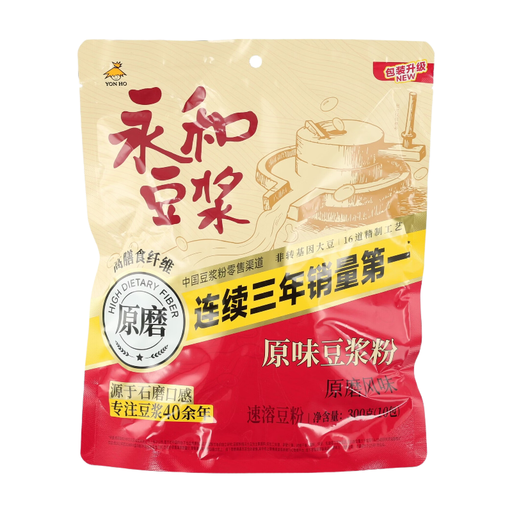
Why this fits the profile: A familiar original flavour and a 300g pack make this an accessible entry point for breakfast or the office.
The nutritional information states 25g of protein and 20g of sugars per 100g, so you don’t have to rely solely on the front of the pack.
Preparation with 20 to 30g of powder and around 200ml of hot water; also usable in baking and smoothies.
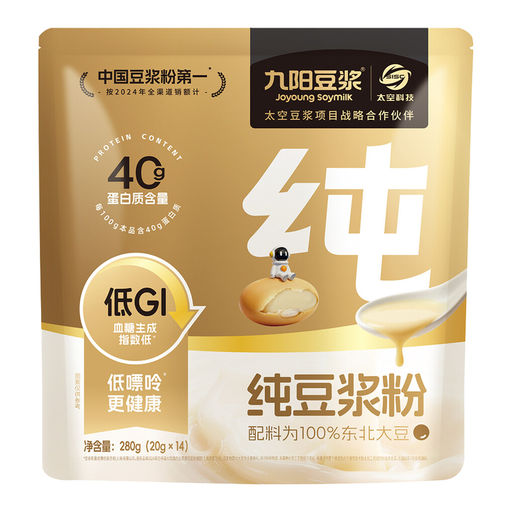
Why this fits the profile: For anyone who values a short ingredients list and a pure soya taste over a flavoured drink.
According to the product information, the ingredient is soya beans and no added sugars are listed.
100% soya beans according to the product description and 40g of protein per 100g.
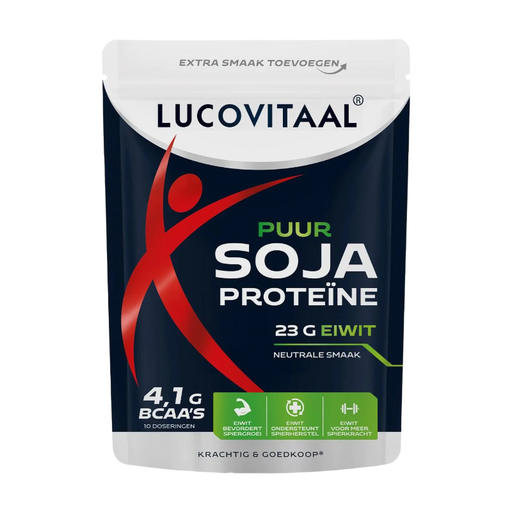
Why this fits the profile: A neutral powder for shakes, smoothies or baking recipes, especially when you want to control the amount of protein per serving.
The label states 0g of carbohydrates and 0g of sugars per 25g, so the composition is clearly different from sweet soya drink powder.
100% soya protein isolate according to the ingredients list and 23g of protein per 25g serving.
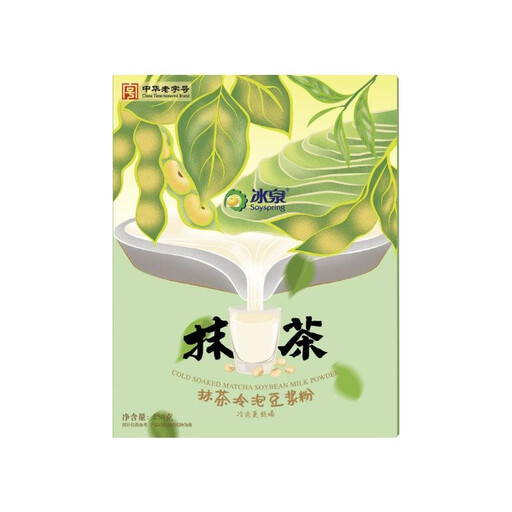
Why this fits the profile: The sachets and preparation with cold or room-temperature water suit the office, travel and a quick drink without a kettle.
The pack states 10 servings of 25g and clearly indicates the preparation amount of 120 to 180ml of water.
Contains 54% soya beans and 2.5% matcha according to the product information; ice cubes can be added.
We’ve put together a full, up-to-date list of products that fully meet these strict selection criteria and comply with current European safety regulations.
Products that contain only soya and other plant-based ingredients contain no milk, according to the ingredients list. Always check the current label and allergen information, though. Not every product in a range is automatically free of milk components; the Family Whole Red Dates Soy Milk Cereal Powder, for example, lists milk powder as an ingredient.
Use the recommended amount of powder and water. First stir the powder with a small amount of warm water until you have a smooth mixture. Then gradually add the rest while continuing to stir. For sachets, 120 to 200ml of water is usually needed, depending on the product. Follow the preparation instructions on the pack.
That varies by brand and pack. Store the powder in a cool, dry place away from direct sunlight and keep it tightly sealed. Some product information advises using an opened pack within 30 days. So check the best-before date and the specific instructions on your pack. Preferably drink prepared soy milk straight after making it.
