
Vandaag of morgen in huis

Kwaliteit gegarandeerd

Welkomstaanbiedingen ontgrendelen: GRATIS bezorging | Tot 80% korting | Gratis 30 dagen JoyPlus-proefperiode
Download de app
Soy milk powder is convenient for a quick breakfast, at the office or on the go. You simply mix it with water and have a warm or cold soy drink ready in minutes. However, not all varieties are the same. The differences lie mainly in the proportion of soy, the amount of sugar, the serving size and the method of preparation.
If you only look out for words like "natural", "high in protein" or "no added sugar", you could still end up buying a product that doesn't suit your needs. Below, you'll find out which information on the packaging really matters and which types of soy milk powder are best for different requirements.
A product may contain no added sucrose, but it could still include maltose syrup, glucose syrup or other sweetening ingredients. So don't just look at the front of the packaging. Always check the ingredients list and the nutritional information under "of which sugars".
For example: Joyoung No Added Sugar Soy Milk Powder lists soy and malt syrup as ingredients and, according to the product information, contains 30 grams of sugars per 100 grams of powder. "No added sugar" does not automatically mean there is no sugar present.
The protein content is usually stated per 100 grams of powder. A serving often consists of 20 to 30 grams. A powder with 40 grams of protein per 100 grams provides around 8 grams of protein per 20-gram serving, before preparation.
This doesn't make the label misleading, but the comparison needs to be fair. Always check the serving size, the number of servings per pack and the recommended amount of water.
Instant soy milk, soy drink powder and Chinese soy milk are available in original, sweet and flavoured varieties. Strawberry, coffee-cocoa, rose or grains can contain extra ingredients and more sugars. If you're looking for pure soy milk powder, it's best to choose a short ingredients list with soy as the main or only ingredient.
Also pay attention to allergens. Soy must be clearly listed as an allergen. Some blended products also contain milk, oats, wheat, barley or sesame.
The percentage of soy gives a useful point of comparison, but it doesn't tell you everything about taste or solubility. YON HO Soya Milk Powder Original Flavour contains, according to the product information, 58% soybeans, maltose syrup and dextrin. Other varieties consist of 100% soybeans, such as certain Joyoung and Yonho products.
A short ingredients list is particularly practical if you're looking for pure soy milk powder without flavourings or sweeteners. For a distinctly sweet Chinese breakfast style, a variety with maltose syrup may actually be a better fit.
At a minimum, compare these values per 100 grams:
The nutritional values mentioned come from the product information. Recipes and packaging may change, so always check the current label before purchasing.
Soy milk in sachets is handy for a bag, desk or travel. A sachet of 20 or 25 grams means you don't have to weigh it out each time. A larger bag of 300 to 350 grams can be more practical if you drink a cup daily at home.
The preparation method varies by product:
Many products use around 120 to 250 ml of water per serving. Follow the instructions on the packaging for the right thickness and taste. Some cold-brew varieties are designed for cold or lukewarm water; others dissolve better in warm water.
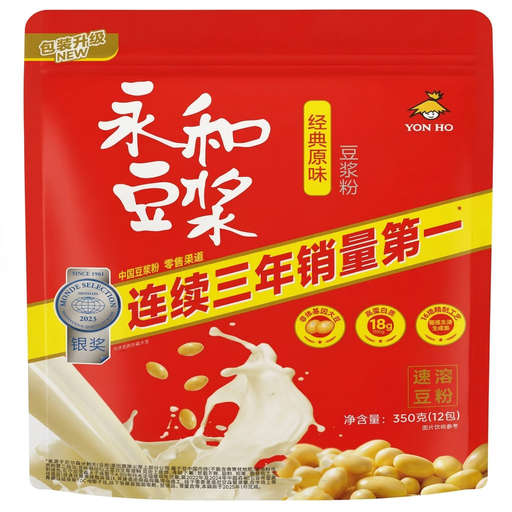
Why this fits the profile: The 350-gram pack is suitable for regular use at home or in the office. The original flavour is ideal for those who want to try instant soy milk for the first time.
The product information states the soy content of 58% and also lists maltose syrup and dextrin. This allows you to assess the sweetness and composition in advance.
350 grams content; can be prepared with 25–30 grams of powder and 200–250 ml of water; suitable for use in smoothies and baking recipes.
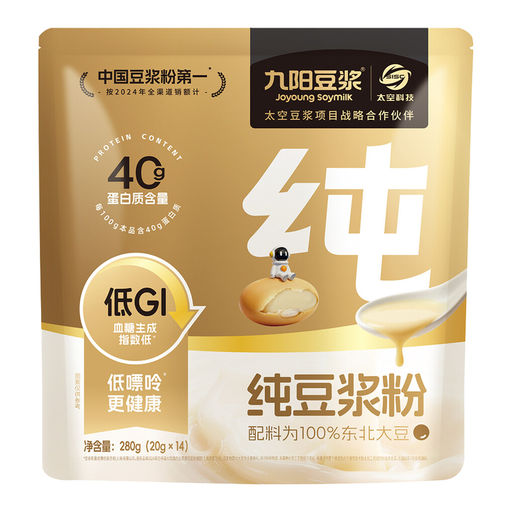
Why this fits the profile: The product information lists soybeans as the ingredient and 40 grams of protein per 100 grams of powder. This suits those looking for a pure, unsweetened base.
The product description mentions no added sugar and provides a short ingredients list. Always check the current label upon delivery.
100% soybeans according to the product information; 40 grams of protein per 100 grams; can be mixed with hot water.
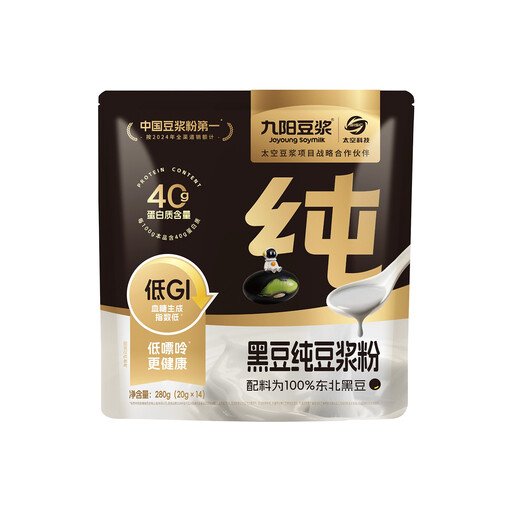
Why this fits the profile: Fourteen individual sachets are practical for a fixed morning routine, a working day or use after exercise. The portions are easy to take with you.
The portion packaging makes weighing unnecessary. The product information also lists black soybeans as the only ingredient and 40 grams of protein per 100 grams.
280 grams total; 14 sachets of 20 grams; preparation advice of approximately 120–150 ml of warm water.
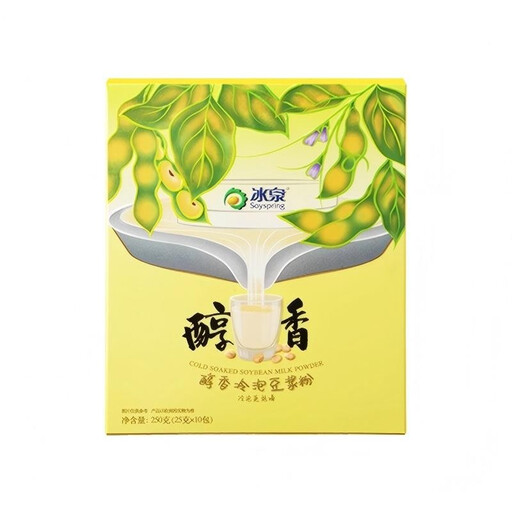
Why this fits the profile: According to the product information, this soy drink powder is designed for cold water. The sticks are ideal for breakfast, the office or a cold drink with ice.
The preparation method is clearly described: 120–180 ml of cold or room-temperature water. A small amount of sediment is noted as normal according to the product information.
Ten sticks of 25 grams; 51% soybeans according to the product information; suitable for cold preparation.
We've put together a full, up-to-date list of products that fully meet these strict selection criteria and comply with current European safety regulations.
Products based solely on soy contain no milk component according to the listed ingredients. This does not automatically apply to blended varieties. Always check the ingredients and allergen information, especially with grain mixes or products containing milk powder.
First, use a small amount of warm water to make a smooth paste. Then gradually add the rest while continuing to stir. A shaker or whisk can help with high-protein soy powder. Stick to the amount of water stated on the packaging.
Store soy milk powder in a cool, dry place and keep it tightly sealed. Moisture can cause the powder to clump and reduce its quality. Some product information advises using an opened pack within about a month; always follow the specific instructions and the best-before date on the packaging.
