
Same-day & Next-day Delivery

Quality Guaranteed

Unlock Your Welcome Offers: FREE Delivery | Up to 80% OFF | Free 30-day JoyPlus trial
Download the APP
Soy milk is no longer a one-size-fits-all product. Dutch online shops now offer unsweetened soy drinks, calcium-fortified varieties, small drink cartons, powders and Asian soy drinks in flavours such as pandan or strawberry. Plant-based oat milk can also be a sensible choice for coffee or breakfast.
The main differences between products lie in ingredients, nutritional values, packaging and intended use. Attractive packaging or the word “natural” says little on its own. If you choose based solely on price or taste, you may end up with a product that is too sweet, does not foam properly or needs to be consumed quickly after opening.
A soy drink can be entirely plant-based and still contain added sugar. Do not look only at the front of the packaging: check the nutritional information per 100 ml and the ingredients list.
For example:
Packaging may state that a product is fortified with calcium or vitamins. Always check the exact quantity per 100 ml. Alpro Unsweetened Soy Drink, for example, lists 120 mg of calcium per 100 ml, as well as added vitamins B2, B12 and D2. This is verifiable product information.
A brand’s nutritional claim is not personal health advice. According to the brand’s own product information, a drink may be a source of calcium or vitamins, but the exact composition can vary by packaging or market. Always check the current label before consumption.
Small 250 ml cartons are convenient for travelling, but a one-litre carton may be more practical for breakfast, smoothies or several cups of coffee. Also check how long the drink remains suitable for consumption after opening:
Always follow the instructions on the packaging. Product pages may contain outdated or abbreviated information.
Check that the drink genuinely suits your diet. Soy milk contains soy and is therefore unsuitable for people with a soy allergy. Some products also contain gluten-containing ingredients, such as barley or oats. Plant-based drinks may also contain traces of other allergens, so read the full packaging carefully.
If you are looking for lactose-free milk, you can choose a soy drink or another plant-based drink without dairy ingredients. However, “vegan” and “lactose-free” do not mean the same thing: lactose-free dairy still contains milk, while a vegan product should contain no animal-derived ingredients.
Use the nutritional table per 100 ml to compare products fairly. Pay particular attention to:
Nutritional values may vary by country and recipe. Use the figures below as product information, not as a general statement about every variant from a brand.
Not every soy drink performs equally well in coffee. For a cappuccino or latte, a dedicated barista oat milk is often formulated to create a better foam. According to the product description, OATLY Oat Drink Barista Edition is made for frothing and contains 10% oats. This makes it a more logical choice for coffee lovers than a thin, unsweetened drink intended primarily for breakfast.
For cereal, overnight oats and smoothies, you may instead want to focus on flavour, sugar content and pack size. For Asian dishes or drinking chilled, certain Asian drinks with a sweeter taste and smaller pack sizes may be a better fit.
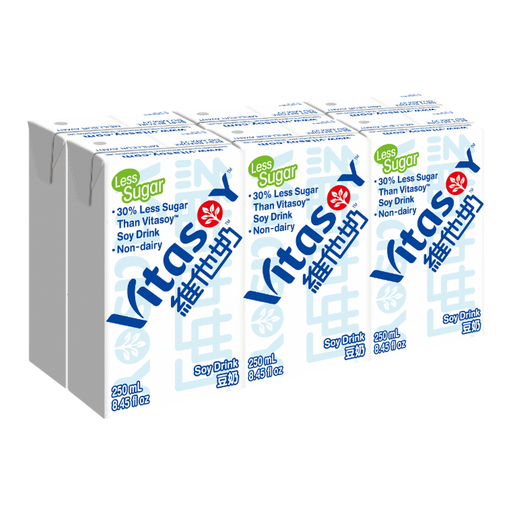
Why this profile fits: The six individual cartons are easy to take to work, school or when travelling. This variety is intended for those who prefer a milder sweet flavour.
The product information states 2% sugar and 4 grams of sugars per 100 ml. This makes it easier to assess the composition than relying on “less sugar” alone.
250 ml per carton, a six-pack and, according to the product description, 2.8 grams of protein per 100 ml.
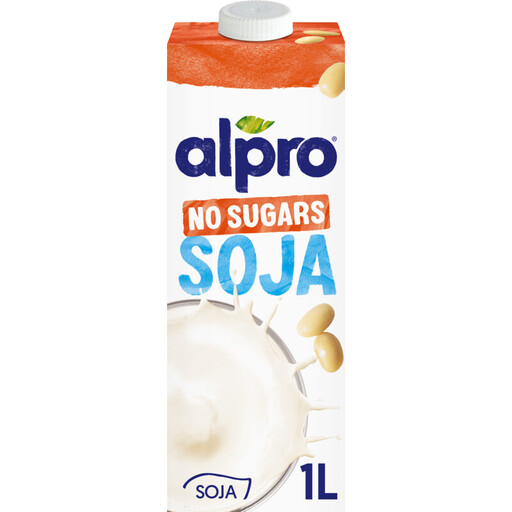
Why this profile fits: One litre of unsweetened soy drink is suitable for breakfast, smoothies, pancakes and everyday use.
The supplied nutritional information lists 0 grams of sugar, making comparison with sweetened varieties easier.
The product information lists 3.3 grams of protein and 120 mg of calcium per 100 ml.
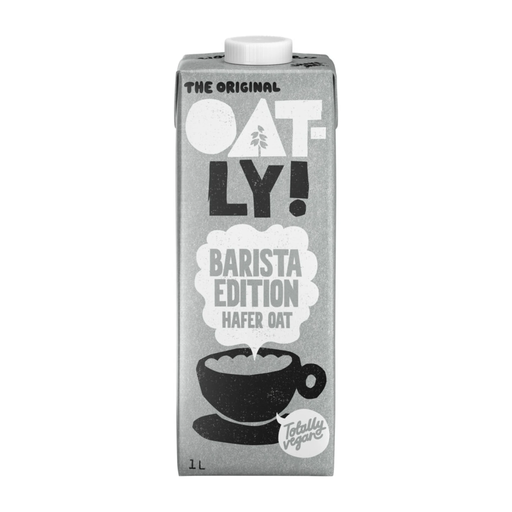
Why this profile fits: According to the product description, this organic oat milk was developed for frothing and is suitable for cappuccino, latte and other coffee drinks.
The packaging specifies that it is intended for coffee, so you do not have to guess which plant-based milk is suitable for creating foam.
One-litre carton, 10% oats according to the product information, plus added calcium, vitamin D2, riboflavin and B12.
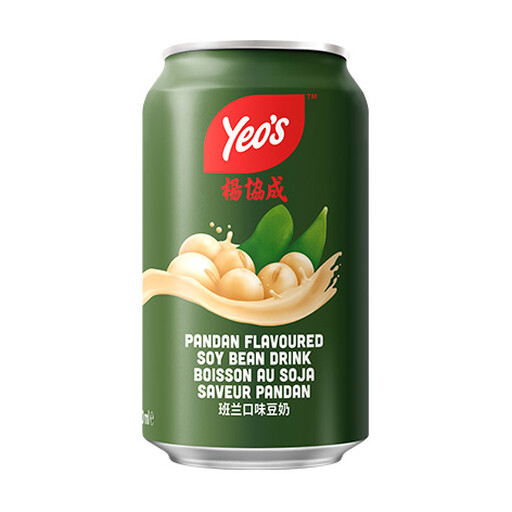
Why this profile fits: The combination of soy and pandan offers an aromatic option for anyone who wants to explore regional flavours alongside classic soy milk.
The 300 ml format means you do not have to buy a large supply of a flavour you have not tried before.
Compact drink format and, according to the product description, suitable for drinking chilled or at room temperature.
Browse the current selection of dairy and plant-based drinks and compare pack sizes, flavours and intended uses before placing your order.
In everyday use, the terms are often used interchangeably. On packaging in the European Union, the term “soy drink” is generally used. Check the ingredients and nutritional values to compare different varieties. Some products are unsweetened, while others contain sugar, flavourings or added minerals.
For coffee, look for wording such as “barista” or “suitable for frothing”. Barista oat milk is often specially formulated for this purpose. A standard soy drink can also be used in coffee, but the foam and flavour depend on the recipe and temperature. If you are unsure, try one litre first rather than buying a large multipack.
Keep opened soy milk refrigerated and follow the storage period stated on the label. Some small drink cartons advise consumption within 24 hours, while other UHT drinks remain suitable for several days after opening. Shake the carton before use when indicated, and do not drink the product if the packaging is swollen, leaking or has an unusual smell.
