
Students who want a dry, crunchy lunch
Toast or crackers can be packed separately from moist toppings. When choosing, consider the size, packaging and ingredients: a crunchy base doesn’t have to be made with sourdough.


Packaged sourdough toast can work well for a school lunch if your child wants a dry, crunchy base. If wholegrain is your priority, you could also consider wholemeal sourdough bread, wholemeal Melba toast or crispbread; these products are not interchangeable. Whatever you choose, check the ingredients, allergens and your school’s food policy.
Toast or crackers can be packed separately from moist toppings. When choosing, consider the size, packaging and ingredients: a crunchy base doesn’t have to be made with sourdough.
Look specifically for wholemeal bread, toast or crispbread rather than relying on the word ‘sourdough’. The Dutch Nutrition Centre recommends replacing white bread with wholemeal or brown bread as much as possible.
Before packing, check the ingredients and allergens on the current packaging. The Netherlands Food and Consumer Product Safety Authority says allergens are listed in the ingredients list; the Dutch Nutrition Centre also recommends checking the school’s food policy.
Start with allergens and school policies. Then decide whether flavour, a convenient crunchy base or wholegrain matters most for this lunch.
A good fit if: you prefer ready-to-eat, dry toast with a sourdough flavour.
Bear in mind: sourdough alone doesn’t tell you whether a product is wholegrain or gluten-free; the Jos Poell Sourdough Toast described by Albert Heijn contains wheat and rye.
A good fit if: bread is the foundation of the lunch. The Dutch Nutrition Centre recommends replacing white bread with wholemeal or brown bread as much as possible.
Bear in mind: bread isn’t the same dry, ready-to-eat option as packaged toast. If you specifically want wholemeal, check the bread you choose.
A good fit if: a dry, crunchy base matters more than a sourdough flavour. Albert Heijn describes Van der Meulen Melba Wholemeal Toast as six packs of six toasts.
Bear in mind: Melba toast and crispbread are different products and aren’t necessarily made with sourdough; check the allergens for each variety.
| What to consider | What to check when buying | Who it matters to |
|---|---|---|
| Allergens and school policies | Read the ingredients list and any ‘may contain’ information on the current packaging. Check the policy at your school. | If allergens are a concern, I want to know which grains the product contains and what the school has agreed before I pack it. This is the top priority for around 31% of consumers. |
| Packing something crunchy | Check the size and whether the product comes in individual packs; consider whether you can pack moist toppings separately. | In my school bag, I want a dry base I can eat at break time without the topping making it soggy. For around 25% of consumers, convenience when packing comes first. |
| Wholegrain base | Look specifically for ‘wholemeal’ and compare nutritional information on the same basis, such as per 100 g. | If bread or crackers form the base of my lunch, I want to know whether the option I’ve chosen is genuinely wholemeal. Around 25% of consumers put this choice first. |
| Sourdough flavour | Check whether sourdough is listed in the ingredients and whether the product is toast, bread or crispbread. | For me, a preference for sourdough flavour is the deciding factor, but I don’t want to choose a different type of product by mistake. This is the main concern for around 19% of consumers. |
Sourdough toast can contain grains that contain gluten. The Jos Poell Sourdough Toast described by Albert Heijn contains wheat and rye.
If you need a gluten-free product, look for an explicit gluten-free label and check the allergen information for the product you choose.
Sourdough doesn’t tell you whether the grain used is wholegrain. A sourdough product may therefore be different from the wholegrain option you’re looking for.
Check the product name and ingredients for ‘wholemeal’. The Dutch Nutrition Centre recommends replacing white bread with wholemeal or brown bread as much as possible.
Baker’s salt contains added iodine, but the Dutch Nutrition Centre says that using baker’s salt in bread isn’t compulsory.
For packaged bread, check the ingredients or ask the baker which salt they have used.
Secondary schools may have their own rules about food and drink. A product label won’t tell you what rules apply at your child’s school.
Check the school’s information and, if you’re unsure, ask what’s allowed in a packed lunch.
A brand to consider if you’re specifically looking for packaged sourdough toast. Albert Heijn’s product information lists wheat, rye and wheat sourdough powder among the ingredients in Jos Poell Sourdough Toast.
Worth considering if you’re looking for Melba toast in smaller packs. Albert Heijn describes the Wholemeal variety as six packs of six toasts.
A brand to consider if crispbread is an option for a crunchy wholegrain base. Bolletje describes its Wholemeal Crispbread as made with 100% wholegrain cereals.
A range to explore if you’re considering sourdough bread as well as toast. Albert Heijn’s sourdough bread category includes wholemeal varieties.
These products offer crackers and crispbread as a dry base for lunch. The Wasa variety mentions sourdough; the other varieties are worth considering as crunchy alternatives, but not as sourdough toast.
 No image available
Worth considering if you’re looking for sourdough in the form of rye crackers rather than toast.
Before packing, check the current allergen information and the school’s policy.
 No image available
An option if you’d like to pack wholemeal crispbread for lunch instead of sourdough toast.
Check the ingredients, allergens and storage instructions on the pack you choose.
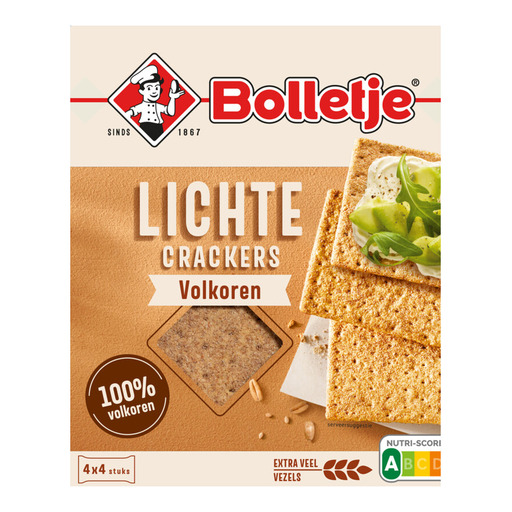 No image available
Worth considering if you want wholemeal crackers as a crunchy base for lunch; the name doesn’t mention sourdough.
Check that the size and allergen information suit what you want to pack.
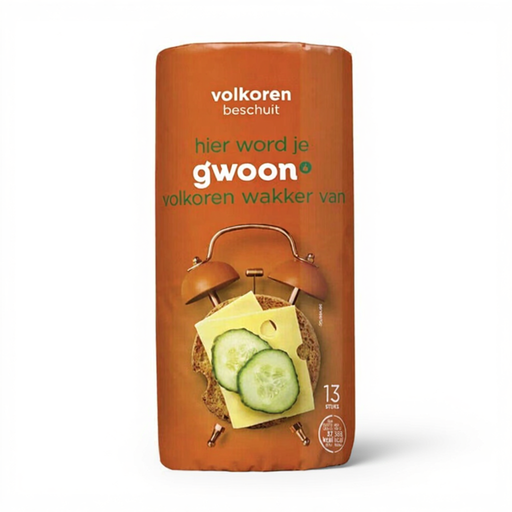 No image available
A crunchy wholemeal option if crispbread, rather than sourdough toast specifically, is on your shopping list.
Check the current packaging for ingredients, allergens and storage instructions.
Not necessarily. The Jos Poell Sourdough Toast described by Albert Heijn contains wheat and rye. If you need a gluten-free product, look for an explicit gluten-free label and check the allergen information for the product you choose.
Read the ingredients list on the packaging. The Netherlands Food and Consumer Product Safety Authority says allergens are listed there; also check for any ‘may contain’ warnings on the product you’re actually buying.
No, you can’t tell from the type of product alone. Baker’s salt contains added iodine, but the Dutch Nutrition Centre says it isn’t compulsory to use baker’s salt when baking bread. Check the ingredients or ask the baker which salt they have used.
Follow the storage instructions on the packaging and, if needed, keep moist toppings separate until lunchtime. Instructions can differ for bread and dry toast, so check the product you’re packing.