
Parents looking for sourdough
You want a crunchy sourdough base for after school, and you’re also checking whether your chosen variety is wholegrain and how much fibre it contains per 100 g.


Choose sourdough crispbread if you’re after a sourdough flavour and a crunchy base; choose wholegrain rusk if you prefer the familiar rusk shape. The Netherlands Nutrition Centre says chocolate sprinkles aren’t an everyday topping: keep portions small and choose alternatives such as fruit or wholemeal bread for regular snacks. If you’re packing a snack for school or an after-school club (BSO), check the label and confirm the local rules too.
You want a crunchy sourdough base for after school, and you’re also checking whether your chosen variety is wholegrain and how much fibre it contains per 100 g.
You’re looking for a familiar treat, but want to consider how much chocolate sprinkle topping to use and how often when choosing a snack.
Before packing the snack, check which allergens are listed on the chosen packaging and what rules apply to your child and the venue.
First decide whether sourdough, the familiar rusk shape or a snack without chocolate sprinkles matters most to you. Then assess the base and the topping separately.
A good fit if: you specifically want sourdough and a crunchy base. Wasa Sourdough Multigrain combines sourdough with wholegrain cereals, according to Wasa.
Consider: this Wasa variety contains gluten-containing cereals, while chocolate sprinkles are still a sweet topping, even on a wholegrain base.
A good fit if: you want the familiar, crisp rusk shape and sourdough isn’t essential.
Consider: choose the exact variety carefully; the ingredients and allergens in regular and wholegrain rusk may differ.
A good fit if: you’re mainly looking for a snack for an ordinary school day. The Netherlands Nutrition Centre suggests options for children including fruit and a wholemeal sandwich.
Consider: it won’t be the same sweet treat as rusk with chocolate sprinkles.
| What to consider | What to look for | Who it matters to |
|---|---|---|
| Portioning chocolate sprinkles | Decide how often you’ll serve chocolate sprinkles and measure out a portion. The Netherlands Nutrition Centre says chocolate sprinkles are high in sugar and saturated fat. | I want to serve a sweet treat without making chocolate sprinkles the regular after-school topping. For around 36% of consumers, portioning the treat would be their first concern. |
| Sourdough and wholegrain | Check that both claims appear on the packaging and compare the fibre per 100 g; sourdough alone doesn’t mean a product is wholegrain. | If I’m choosing sourdough specifically, I want to know which grains are in the crunchy base. For around 29% of consumers, choosing the base would be their main priority. |
| Allergens and packing a snack | Read the label on the exact variety and check the school or after-school club’s rules before packing anything. | For a lunchbox snack, the product needs to meet the allergy requirements for the child and the venue. Around 21% of consumers would want to check this first. |
| Iodine and product type | Don’t assume which salt has been used based on terms such as sourdough or organic; check the ingredients or ask the baker. | If iodine affects my product choice, I want to know which salt has actually been used. For around 14% of consumers, that product information would be their main question. |
Sourdough describes how a product is made, not whether it contains gluten. Wasa lists rye, oats, wheat and barley among the ingredients in Sourdough Multigrain.
Read the ingredients and allergen information on the packaging of the product you’re actually choosing.
The ingredients in crispbread don’t change what’s in the chocolate sprinkles. The Netherlands Nutrition Centre highlights the sugar and saturated fat in chocolate sprinkles.
Assess the base and topping separately, and decide in advance how much chocolate sprinkles to use.
You can’t tell which salt is used in an individual product just because it’s described as sourdough or organic.
Check the ingredients on the packaging or ask the manufacturer or baker which salt they use.
If you’re packing a snack, you need to check the ingredients on the chosen packaging as well as the school or after-school club’s rules.
Check the packaging just before use and ask the venue in advance what you’re allowed to bring.
Worth considering if you’re looking for sourdough crispbread as a base.
Worth considering for traditional-style rusk; check regular and wholegrain varieties separately.
A brand to compare when choosing chocolate sprinkles as a topping.
Another chocolate sprinkle brand to consider if you want to choose the topping separately from the base.
The order below reflects two different shopping needs: first, a sourdough base, then wholegrain rusk. It isn’t the result of an independent product test.
| Position | Product | Features | Why it’s included | Retailer |
|---|---|---|---|---|
| 1 | Wasa Sourdough Multigrain, 210 g | According to Wasa: natural sourdough, 100% wholegrain cereals and 18 g of fibre per 100 g. | Included for anyone looking for sourdough as a crunchy base. These features apply to Sourdough Multigrain, not every Wasa sourdough variety. | Albert Heijn |
| 2 | Bolletje wholegrain rusk, 13 pieces | Wholegrain rusk; pack of 13. | Included for anyone looking for traditional-style rusk without requiring sourdough. Its position says nothing about its general nutritional suitability compared with crispbread. | Joybuy |
These products offer different bases for a snack: sourdough rye crackers, wholegrain rusk and other wholegrain crackers. Choose by product type, and if you’re packing a snack, check the current packaging and the school or after-school club’s rules.
 Image unavailable
A crunchy base if sourdough is your main priority.
The Joybuy product description mentions wholegrain rye. Check the packaging for allergens before packing these crackers.
 Image unavailable
For anyone who wants to make rusk with chocolate sprinkles and is looking for a wholegrain variety.
The pack contains 13 pieces. If you need to follow allergy requirements, read the ingredients for this variety.
 Image unavailable
Another rusk variety to compare with regular wholegrain rusk if you’re looking for a dark wholemeal wheat base.
The pack contains 10 pieces. Check the ingredients and allergens for this variety.
 Image unavailable
A cracker option to compare separately if sourdough or the rusk shape isn’t essential.
300 g pack. If you’re choosing based on fibre, check the nutrition information per 100 g on the packaging.
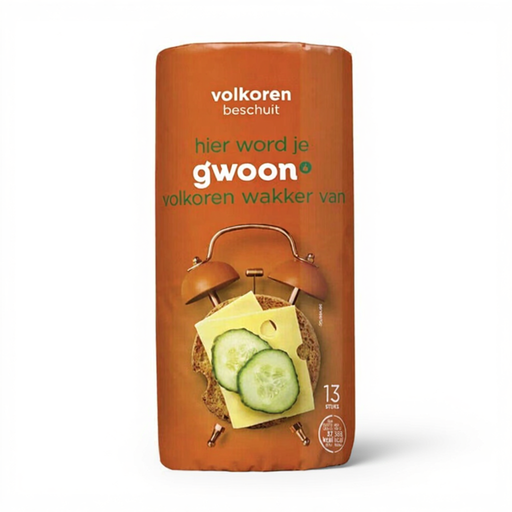 Image unavailable
A wholegrain cracker base for anyone putting together a snack where sourdough or rusk isn’t the deciding factor.
125 g pack. Check the ingredients and allergens on the chosen packaging before packing it.
Not necessarily: sourdough describes how a product is made, not its allergens. Wasa lists rye, oats, wheat and barley among the ingredients in Sourdough Multigrain, so check the label for the exact variety.
Don’t automatically make chocolate sprinkles an everyday choice. The Netherlands Nutrition Centre says they’re high in sugar and saturated fat; for regular snacks, it suggests options including fruit and a wholemeal sandwich.
No, the product type alone won’t tell you which salt is used in the variety you’ve chosen. If iodine information matters to your purchase, check the ingredients or ask the manufacturer or baker which salt they use.
Check the rules for your child and the venue, and read the allergen information on the current packaging. This applies to both the base and the chocolate sprinkles; don’t rely on a product name or online description alone.