
Students specifically looking for sourdough
If the sourdough method is the reason for your choice, check that it is explicitly stated on the packaging or product page. A description such as wholemeal or artisan doesn’t confirm how the cake was made.


Choose breakfast cake for its sourdough only if the packaging or product page explicitly confirms that it is made with sourdough; wholemeal breakfast cake isn’t automatically sourdough. For a secondary school lunch, you should also consider the current label, any allergen restrictions and the portion size. Include breakfast cake as part of the lunch, rather than using it to replace the whole meal.
If the sourdough method is the reason for your choice, check that it is explicitly stated on the packaging or product page. A description such as wholemeal or artisan doesn’t confirm how the cake was made.
For parents, carers and students who need to check ingredients against an allergen restriction and the school’s rules. The Netherlands Food and Consumer Product Safety Authority highlights the importance of allergen information on labels.
If breakfast cake is an addition to a school lunch, the portion size and nutritional information per 100 g and per portion can help you compare options.
First decide whether sourdough or an allergen restriction is a must-have. Then compare the nutritional information and how easy the products are to pack, among those that meet your requirements.
| What to consider | What to check before buying | Who it matters to |
|---|---|---|
| Sourdough | Look for an explicit mention of sourdough and check the ingredients. Wholemeal flour doesn’t prove that sourdough was used. | If I’m looking for breakfast cake specifically because it’s made with sourdough, I want to be able to confirm that on the product. Verifiable sourdough production is the top priority for around 31% of consumers. |
| Allergens | Read the highlighted allergen information. If you need a gluten-free option, check for an explicit gluten-free claim and follow the school’s rules. | If gluten or other relevant ingredients need to be avoided, the contents of the lunchbox must meet that restriction. Allergen checks are the top priority for around 31% of consumers. |
| Nutritional information | Compare sugars and fibre on a like-for-like basis: per 100 g and for the portion you’ll actually pack. | If breakfast cake is one part of lunch, I want to know what my chosen portion contains. Nutritional information comes first for around 23% of consumers. |
| Portion convenience | Check whether the cake is sliced or individually wrapped, and how much a portion weighs. | If I need to pack a school bag quickly, I want a portion that’s easy to take with me. Portion convenience matters most to around 15% of consumers. |
Breakfast cake made with rye or other gluten-containing grains doesn’t become gluten-free simply because it’s made with sourdough.
If gluten needs to be avoided, check for an explicit gluten-free claim on the specific product and follow the rules for the lunchbox.
Wholemeal describes the grain used, not whether the dough was made with sourdough. An artisan look doesn’t tell you that either.
Choose a product for its sourdough only if the packaging or product page confirms that it is made with sourdough.
In its general nutritional information for breakfast cake, the Netherlands Nutrition Centre uses a 30 g slice; the Peijnenburg option on Jumbo’s product page lists a 28 g portion. This means values per slice aren’t directly comparable.
First compare the nutritional information per 100 g, then look at the values for the portion you’ll take to school.
The name breakfast cake or a mention of baker’s salt doesn’t tell you how much iodine a particular product contains.
If iodine information is relevant to your choice, check the ingredients and nutritional information for that product.
A brand to consider if you’re looking for sliced wholemeal breakfast cake. Jumbo describes a Peijnenburg option containing 12 slices.
Albert Heijn lists sliced wholemeal breakfast cake as one of its own-brand options.
Jumbo offers breakfast cake in different formats, including sliced options.
This breakfast cake is an option if you want to pack something to go with a secondary school lunch and sourdough isn’t a requirement. Check the packaging if the way it’s made is important to your choice.
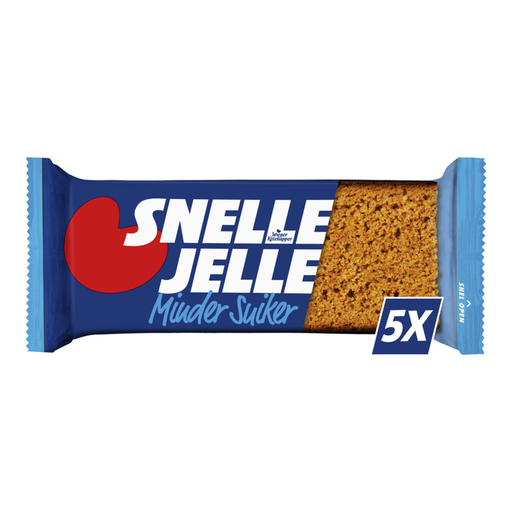 Image unavailable
An option if breakfast cake is just an addition to a school lunch and sourdough isn’t a requirement.
Check the current label for rye, gluten and any traces of nuts or milk, and make sure your choice follows the school’s rules. Only compare nutritional values once you’ve checked whether they’re given per 100 g or per bar.
No. Sourdough doesn’t mean gluten-free. If you need a gluten-free option, look for an explicit claim on the specific product and make sure the lunchbox follows the relevant allergen rules.
It’s better to include breakfast cake as part of lunch rather than make it the whole meal. The Netherlands Nutrition Centre suggests wholemeal bread or a wholemeal roll as a lunch option and notes that breakfast cake often contains a lot of sugar.
Don’t assume breakfast cake contains a particular amount of iodine without checking the product information. Check the ingredients and any nutritional information if this is relevant to your choice.
Follow the storage instructions on the packaging of your chosen product. Albert Heijn advises storing its sliced wholemeal option in a cool, dark and dry place.