
Buyer who requires sourdough
You want to know how the specific breakfast cake was made, not just whether the packaging looks artisan. Ask the baker or supplier for the ingredients and confirmation of the starter or fermentation method used.


Choose breakfast cake for office lunch packs as a sourdough product only if the supplier can confirm that the exact cake was made with a sourdough starter or fermented using sourdough. If easy distribution is your main priority, pre-sliced cake or individually wrapped portions are practical options. Also compare the nutritional information and allergen details for the specific variety you plan to order.
You want to know how the specific breakfast cake was made, not just whether the packaging looks artisan. Ask the baker or supplier for the ingredients and confirmation of the starter or fermentation method used.
You want to portion out the cake without having to cut it, and know in advance how large each serving is. Pre-sliced cake and individually wrapped slices are formats worth comparing.
You want to check the ingredients, nutritional values and allergens for the exact variety. This is particularly important when different colleagues are choosing from the same supply.
First, decide whether verified sourdough fermentation is essential. If it isn’t, you can compare standard breakfast cakes by how easy they are to serve, their nutritional information and their allergen details.
| What to consider | What to check before buying | Who it matters to |
|---|---|---|
| Sourdough fermentation | Ask for confirmation of the starter or fermentation method used for the exact breakfast cake; don’t infer it from terms such as artisan or wholemeal. | If sourdough is my deciding factor, I want to know how this particular cake was made. An estimated 31% of consumers prioritise verifiable sourdough fermentation. |
| Serving portions | Check whether the cake is pre-sliced or individually wrapped, and how many portions are in the pack. | When I’m putting lunch packs together, I want to portion out the cake without extra cutting. For around 25% of consumers, ease of serving is the top priority. |
| Nutritional information | Compare the ingredients and the fibre and sugar values per 100 g; also check the serving size when planning portions. | When choosing between varieties, I want to see what the cake contains and what’s in each portion. An estimated 25% of consumers prioritise this nutritional information. |
| Allergen information | Read the current label or, for unwrapped cake, ask about the allergens present before buying. | If several colleagues are choosing from the same lunch selection, I want to be able to share the allergen information for the exact cake in advance. For around 19% of consumers, this information comes first. |
A term such as wholemeal tells you something different from how the dough was fermented. The presence of raising agents alone doesn’t confirm sourdough fermentation either.
If you’re choosing sourdough, ask the baker or supplier for details about the specific product. If they can’t provide them, don’t describe the cake as a sourdough product.
The Peijnenburg variety reviewed, which has no added sugars, also lists xylitol. That claim doesn’t replace a comparison of the ingredients and nutritional values, and it says nothing about sourdough.
Compare the ingredients and nutritional information per 100 g for the varieties you’re considering. For lunch packs, also check the size of each portion.
Unwrapped cake doesn’t come with an individual label. According to the Netherlands Food and Consumer Product Safety Authority, information about allergens present must also be available before purchase for unwrapped products.
Ask the baker about the allergens in the exact cake in advance, and make sure the information remains available when you serve it.
These brands offer examples of different breakfast cake formats. A brand name or product range alone doesn’t confirm that a specific cake was made with sourdough.
Peijnenburg offers, among other products, sliced wholemeal breakfast cake and a plain variety with individually wrapped slices.
ALDI Nederland lists pre-sliced breakfast cake varieties under this brand, including zero and wholemeal options.
Lidl Nederland has listed Tastino breakfast cake in packs weighing 465–550 g.
PLUS lists own-brand breakfast cake in several varieties, including sliced options.
These breakfast cakes are worth considering if pre-sliced cake or easy-to-handle packaging for lunch packs matters more than confirmed sourdough preparation. Before ordering, check the label for your chosen variety if the ingredients, allergens or exact portion sizes are important to you.
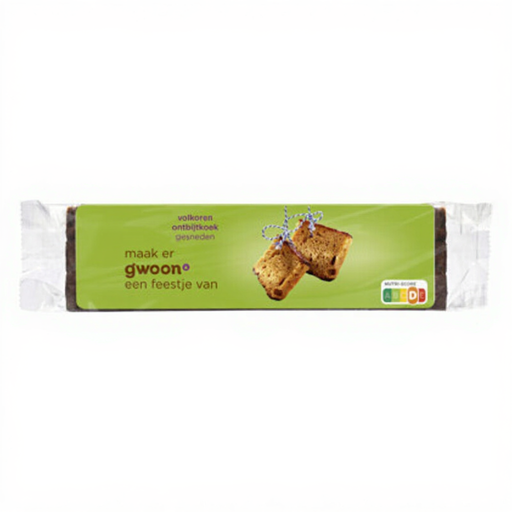 No image available
The sliced format is handy if you don’t want to cut the cake yourself. The pack contains 485 g; check the number of slices and the allergens on the current label. Don’t choose this cake based on an unverified sourdough claim.
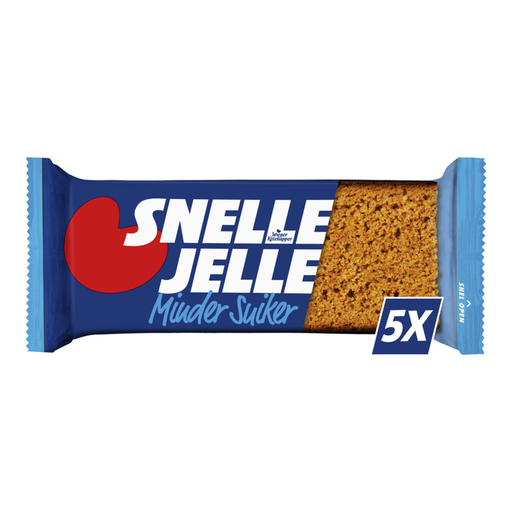 No image available
This 250 g pack is an option to consider if you want to serve breakfast cake individually. Check the current packaging for portion sizes, nutritional information and allergens; don’t draw conclusions about nutrition or sourdough preparation from the product name.
Ask about the allergens in the exact cake before buying. According to the Netherlands Food and Consumer Product Safety Authority, this information appears on the label of pre-packed products and must be available before purchase for unwrapped products. Make sure it’s also accessible when you hand out the lunch packs.
No. That claim doesn’t tell you everything about the ingredients or nutritional value. For the wholemeal variety reviewed with no added sugars, Peijnenburg lists xylitol, 4.9 g of sugars and 17 g of fibre per 100 g, among other details. Compare the current labels for the varieties you’re considering; these figures don’t confirm sourdough fermentation.
Follow the storage instructions for the exact cake. For its Korenlanders Bakkers plain breakfast cake, PLUS advises keeping the pack tightly closed after opening and storing the cake in a cool, dry place.
No, don’t assume that based on the product category alone. The Netherlands Nutrition Centre says that bakers aren’t required to use baker’s salt. Check the ingredients for the specific breakfast cake or ask the manufacturer which salt was used.