
If you’re specifically looking for sourdough
An explicit mention of sourdough in the breakfast cake’s product information is essential for you. An artisanal look or a long baking time isn’t enough to confirm it.


Don’t assume a standard breakfast cake is a sourdough version unless the product description explicitly mentions sourdough. If sourdough isn’t essential, the packaging for taking it on the road and the information on sugars, fibre, salt and allergens are the main things to consider when choosing a cake that suits you.
An explicit mention of sourdough in the breakfast cake’s product information is essential for you. An artisanal look or a long baking time isn’t enough to confirm it.
You want to take portions with you and share them without having to cut a large cake during the journey. Individually wrapped portions and pre-sliced pieces each offer a different kind of convenience.
You look beyond the front of the pack: the nutrition information per 100 g, the ingredients and the allergen information all help you decide what to take with you.
First decide whether sourdough is a must-have. Then compare the packaging and labels of the breakfast cakes you’re considering for your car journey.
| What to consider | What should you check? | Who is it important for? |
|---|---|---|
| Sourdough | Check whether the information for that specific cake mentions sourdough or a sourdough starter; if necessary, ask the manufacturer. | If I specifically want to take a sourdough cake with me, an artisanal name alone isn’t enough. Verifiable sourdough is the top priority for around 25% of consumers. |
| Portions and packaging | Check whether the cake is individually wrapped, pre-sliced or unsliced, and how much each portion contains. | When travelling, I want to share the cake without cutting it or having to open the rest straight away. Convenient portions come first for around 42% of consumers. |
| Nutrition information and allergens | Compare sugars, fibre and salt per 100 g; also read the ingredients and allergen information for the version you’ve chosen. | If the ingredients or allergens determine my choice, I don’t want to rely on a claim on the front of the pack. Around 33% of consumers prioritise checking the label. |
A long baking time or a spicy flavour doesn’t tell you which raising agent was used in the breakfast cake. You could end up choosing a standard version when sourdough is your main priority.
Look for an explicit mention of sourdough or sourdough starter in the product information, or ask the manufacturer how the cake is made.
The front of the pack doesn’t show the full nutritional picture. A statement such as ‘no added sugars’ doesn’t replace the sugar content shown in the nutrition table.
Compare similar breakfast cakes per 100 g, then check the figures per portion if you want to work out how much to take with you.
Ingredients vary between versions. For example, the product information for Bolletje sliced plain breakfast cake lists rye, wheat and lupin, and warns that it may contain nuts.
Read the ingredients and allergen information on the packaging of the exact version you’re buying.
An improperly sealed pack and warm conditions can be inconvenient if you want to spread a large cake over several days of travel.
Seal the pack after use, store the cake somewhere dry and out of the sun, and don’t eat it if it has gone mouldy.
Peijnenburg offers breakfast cake in portion packs, among other options.
The own-brand range includes several types of breakfast cake, including sliced versions and varieties with different ingredients or flavours.
This ALDI own brand offers pre-sliced breakfast cake, among other products.
The own-brand range includes a larger pack of sliced plain breakfast cake.
Bolletje offers a 500 g pack of sliced plain breakfast cake.
These breakfast cakes offer different packaging options for a car journey. Don’t consider any of the three a sourdough breakfast cake unless the product information explicitly says so.
 Image unavailable
An option if you want to take breakfast cake with you on the go. Check the pack to see whether the cake is individually wrapped, what the nutrition information per 100 g says and whether sourdough is mentioned.
 Image unavailable
The sliced format suits anyone who wants to take pieces with them without cutting the cake during the journey. Check the allergen information on the pack and compare the nutrition information per 100 g if the ingredients matter to your choice.
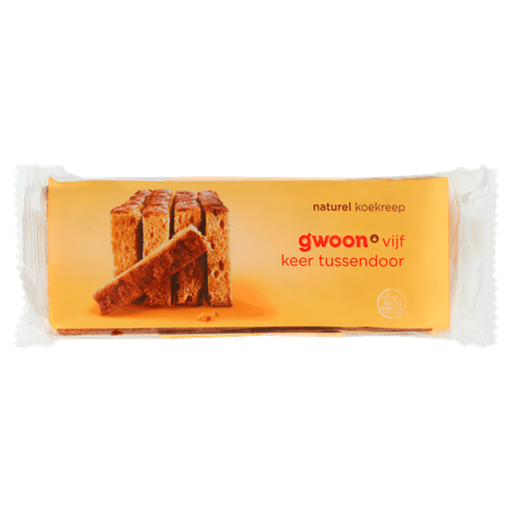 Image unavailable
The pack of six suits anyone who wants to divide the cake between fellow travellers before setting off. Check whether the pieces are individually wrapped, and read the allergen information on the pack you’ve chosen.
No. Baking time doesn’t confirm that sourdough was used to make the breakfast cake. Look for an explicit mention of sourdough or sourdough starter in the product information, or ask the manufacturer.
No. According to the NBC’s explanation of the Baker’s Salt and Iodine Covenant, using iodised baker’s salt isn’t a legal requirement. So don’t assume that a product contains iodised salt just because it’s in this category; check the product information or ask the manufacturer which salt was used.
No, not unless the specific version is explicitly labelled gluten-free. Check the ingredients and allergen information on the pack. The Netherlands Food and Consumer Product Safety Authority explains that allergens must be clearly listed on the labels of prepacked foods.
Seal the pack tightly after use and store the cake somewhere dry and out of the sun. Follow the storage instructions on the pack, and don’t eat the cake if you see mould.