
Vandaag of morgen in huis

Kwaliteit gegarandeerd

Welkomstaanbiedingen ontgrendelen: GRATIS bezorging | Tot 80% korting | Gratis 30 dagen JoyPlus-proefperiode
Download de app
Sour snacks come in many forms: from sour sweets and fruit gums to Chinese snacks with konjac, hawthorn snacks and Thai plum snacks. The difference isn’t just about flavour. Texture, portion size, ingredients and allergens also determine whether a purchase is right for you.
If you only look at a flashy packet or words like “low calorie”, you might be in for a surprise. With these practical checkpoints, you can compare Asian snacks and other sweet-and-sour treats based on information you can verify on the label.
“Sour” doesn’t automatically mean a snack is low in sugar. In sweets and fruit gums, the flavour often comes from citric acid or malic acid, while sugar or glucose syrup remains a key ingredient. So always check the table per 100 grams as well as the portion size.
With some hawthorn snacks, a large part of the product is made up of sugar. For example, Bestore Candied Hawthorn contains 67.73% hawthorn and 18.73% rock sugar; the nutritional information states 65 grams of sugar per 100 grams. That makes it suitable for fans of a pronounced sweet-and-sour taste, but not automatically for those looking to limit their sugar intake.
Always check the ingredients and allergens. Gelatine makes a sweet unsuitable for vegans, while milk components might rule out a vegetarian product for vegans. According to the product information, Bebeto Sour Blast Happy Raspberry is described as suitable for vegetarians and vegans, but it does contain wheat flour.
You also need to be careful with savoury konjac snacks. Wei Long Konjac Snack contains soya and various flavour enhancers. That might suit your preference, but it’s relevant information if you have an allergy or prefer to avoid certain ingredients.
A large size might seem good value, but an opened packet loses its quality more quickly. For snacks to take with you, individual sachets or separately wrapped portions are often more practical. They reduce mess and make it easier to take a portion with you.
Also, pay attention to the storage conditions for long-life products. Many snacks need to be kept in a cool, dry place, away from direct sunlight. Products with a moist filling or sauce sometimes need to be refrigerated after opening and consumed quickly.
First, decide what experience you’re after:
So the word “sour” on the packet doesn’t tell you how strong the sour flavour is. Look at the product description and ingredients such as citric acid, vinegar, pickled chilli or plum.
For sharing sweets, packs of around 180 to 215 grams are practical. Look-O-Look Top Mix contains 10 small portion packs, while Haribo and Bebeto products come in a larger bag.
For individual use, smaller packs are easier. The Huiji konjac snack is 50 grams, and the Jia Jian Cheng Chu Preserved Sour Plums comes in a 200-gram pack. If you want to try several flavours, it’s better to combine a few different smaller products rather than going straight for one large size.
Check at least the following before you buy:
The actual packaging remains the final authority. Composition, nutritional values and allergens can change depending on the market or product variant.
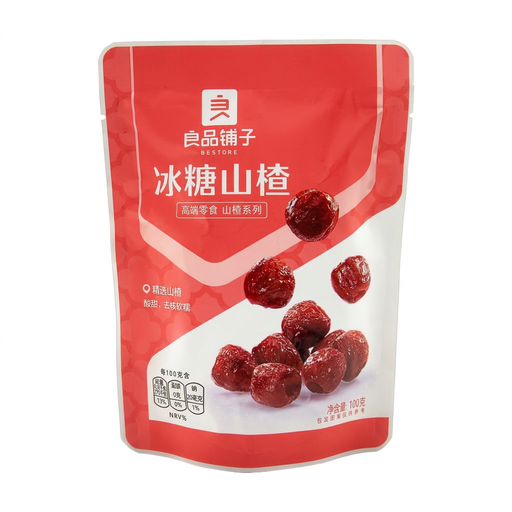
Why this fits the profile: A compact introduction to hawthorn snacks for anyone who wants to try a soft, fruity, sweet-and-sour taste without buying a large pack straight away.
The product information clearly states the hawthorn and sugar percentages. This helps you judge the sweetness more accurately.
100 grams, ready-to-eat and just three listed ingredients: hawthorn, rock sugar and white sugar.
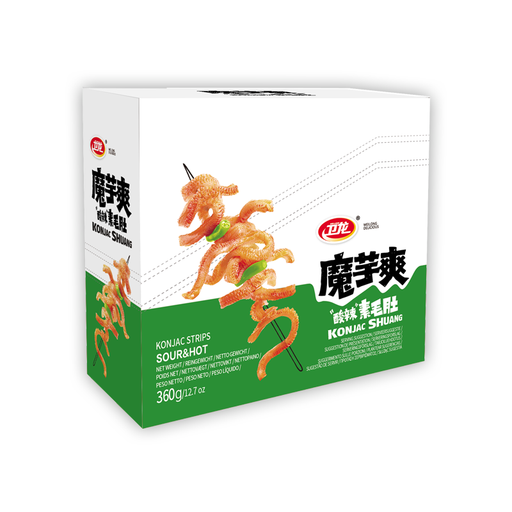
Why this fits the profile: For fans of authentic Chinese snacks with a pronounced combination of sour, chilli and a firm, chewy texture.
The box contains around 20 small sachets. This stops you from having to reseal one large opened bag over and over again.
360 grams, vegetarian according to the product name and 109 kcal per 100 grams; contains soya and 8.2 grams of salt.
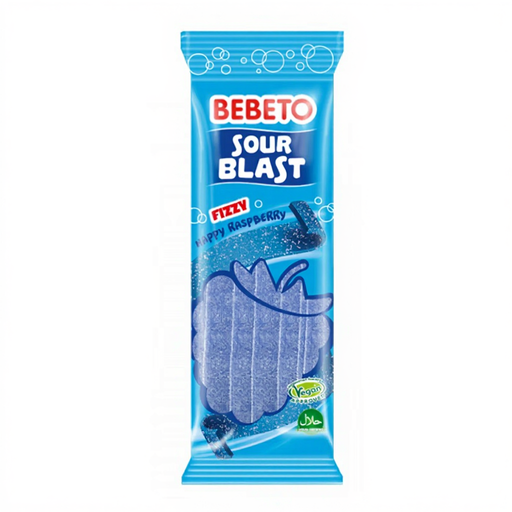
Why this fits the profile: A fruity choice for anyone looking for sour sweets without gelatine, with a soft, chewy texture and a size that’s good for sharing.
The product information states its suitability for vegetarians and vegans and lists wheat as an allergen.
180 grams, raspberry flavour and 56 grams of sugar per 100 grams; check for wheat on the label if you have an intolerance.
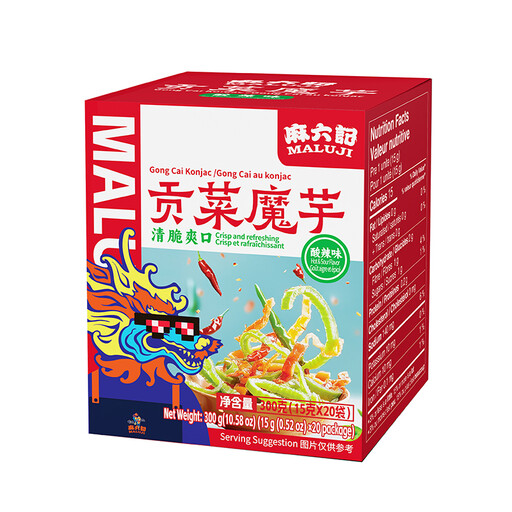
Why this fits the profile: Handy for anyone who often takes spicy snacks to the office, on a trip or during a long day, and prefers several small portions.
The pack contains 20 sachets of 15 grams. After opening, the product must be refrigerated and eaten within three days.
300 grams, 20 individual portions, chewy konjac and vegetables with a sour-spicy flavour; according to the product information, no listed allergens.
We’ve put together a full, up-to-date list of products that fully meet these strict selection criteria and comply with current European safety regulations.
Choose a product with individual portions where possible, such as konjac in small sachets, separately wrapped hawthorn snacks or a mix with several mini portions. Check whether the pack can be resealed after opening and whether refrigeration is needed.
No. Asian snacks also include sweet-and-sour hawthorn, plums, fruit gums and soft jujube slices. Look for words like “hot”, “spicy”, “chilli”, “pepper” and “mustard” in the product name or ingredients list if you want to avoid heat.
The best-before date is on the packet. Unopened long-life snacks should usually be stored in a cool, dry place, away from direct sunlight. After opening, the shelf life may be shorter. So follow the specific instructions on the label, especially for products with sauce, moisture or pickled vegetables.
