
Cooking for a small lunch
You want to make tomato and basil soup without buying a larger jug than you usually need. Compare the amount in your recipe with the fill lines, not just the stated number of portions.


First, choose a jug with a usable capacity that suits the number of people you’re cooking for and your recipe. Then choose a programme for smooth or chunky soup. A larger jug can be handy if you want to make several bowls, while a smaller soup maker is better suited to a smaller batch. A heated blender is worth considering if you’d also like to make other hot and cold recipes.
You want to make tomato and basil soup without buying a larger jug than you usually need. Compare the amount in your recipe with the fill lines, not just the stated number of portions.
You want to make several bowls at once or have some soup left over. Capacity and the combined space taken up by the ingredients and liquid are important considerations.
You want to choose between smooth tomato soup and a chunkier version, or blend the soup further if needed. Check which settings the exact model offers.
Best for: those who usually make a smaller quantity and want a dedicated soup maker. Philips lists a 1.2-litre jug for the HR2204/80R1; this particular model is refurbished.
Keep in mind: the recipe ingredients and liquid must fit between the MIN and MAX markings.
Best for: those cooking for several people or wanting leftovers. DOMO and Princess each list a 2-litre capacity and settings for smooth and chunky soup on the models mentioned.
Keep in mind: the stated capacity doesn’t tell you how much space your complete recipe will take up between the fill lines.
Best for: those who regularly want to make other hot and cold recipes as well as soup. Tefal lists hot soup and cold blending programmes for the Perfectmix Cook BL83SD30.
Keep in mind: extra programmes may not add much if you only plan to use it for weekend lunches. Also check the cleaning requirements and usable soup capacity for your recipe.
| What to consider | What to look for | Who should pay particular attention? |
|---|---|---|
| Quantity per batch | Compare the ingredients and liquid in your recipe with the MIN and MAX markings on the exact model. | If I’m cooking a small lunch, I don’t want the appliance to take up unnecessary worktop space; around 40% of consumers say getting the right quantity is their top buying priority. |
| Soup texture | Check whether the model has a smooth and/or chunky soup setting, and whether you can blend manually. | If I want to choose between smooth soup and a chunkier texture, I look for a suitable soup setting; around 30% of consumers prioritise the texture they want. |
| Cleaning | Read the instructions for the exact model, including those for the jug, blades and any cleaning function. | After lunch, I want to know how much cleaning the appliance will involve; around 20% of consumers make ease of cleaning their top buying priority. |
| Other uses | Compare the extra programmes with the hot or cold recipes you genuinely want to make. | If I want to use the appliance for more than just soup, those other recipes matter too; around 10% of consumers give versatility their highest priority. |
The ingredients and liquid must fit within the stated fill capacity. Philips warns that going above the MAX marking can affect how the appliance works.
Add up the ingredients and liquid in your lunch recipe, then check the fill lines on the exact model.
If everything doesn’t fit in one batch, you may need to make a second one.
Extra settings are most relevant if you also plan to make the recipes they’re designed for. For this lunch, the right capacity and your preferred soup texture matter too.
Start by choosing the capacity and soup setting you need, then consider which other programmes you’ll actually use.
A cleaning function or removable blades don’t automatically tell you how to clean every part safely.
Follow the cleaning instructions for the exact model before immersing any parts or putting them in the dishwasher.
The HR2204/80R1 we looked at is a refurbished SoupMaker with a 1.2-litre jug. This particular model may be worth considering if you’re looking for a smaller batch.
According to DOMO, the DO705BL is a soup maker with a 2-litre capacity and settings for smooth and chunky soup.
According to Princess, the 214002 Family XL is a soup maker with a 2-litre capacity.
The Perfectmix Cook BL83SD30 is a heated blender for anyone who wants to make other hot and cold recipes as well as soup.
These Joybuy picks include appliances for making soup and blenders for anyone who also wants to make other hot or cold recipes.
 No image available
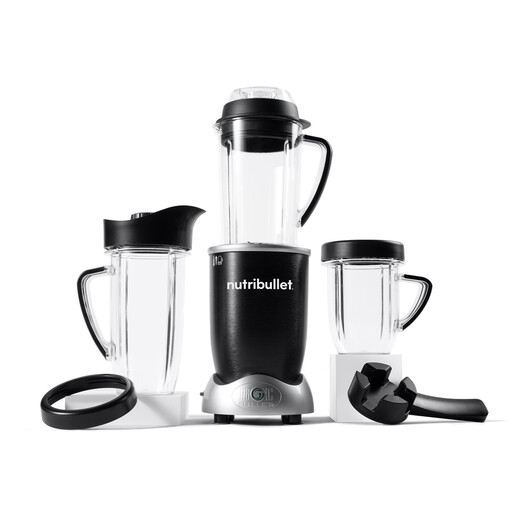
The product description lists hot and cold uses, including a soup programme.
Specifications: 1700 W motor and a 7-minute soup programme.
The set name mentions heat-resistant cups; the description also lists a jug with a vented lid for hot ingredients.
 No image available
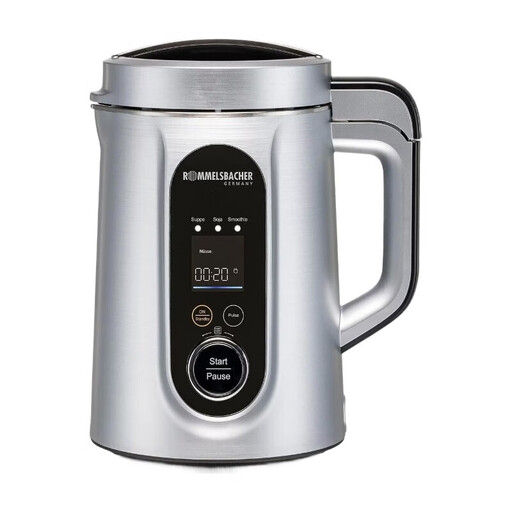
The product description mentions soup-making with integrated heating for anyone who wants to make soup in a single appliance.
Specifications: capacity of up to 1.3 litres, nine automatic programmes and a pulse function.
Stay within the maximum fill line; the jug and its contents become hot during and after use.
It depends on the recipe. In DOMO’s tomato soup recipe, the tomato base is prepared using the smooth soup setting, and fresh basil is added when serving. This is a recipe choice, not a requirement for all soup makers.
For the compatible SoupMaker models mentioned, Philips recommends using smaller ingredients that have been fully defrosted, keeping the liquid between MIN and MAX, and blending manually if needed. If you have a different brand, follow the instructions for that model.
According to the Netherlands Nutrition Centre, leftovers should be refrigerated or frozen within two hours. You can keep them in the fridge for up to two days.
According to ACM ConsuWijzer, online purchases generally come with a statutory cooling-off period of up to 14 days after delivery, with some exceptions. You’re also covered by the statutory guarantee if the product doesn’t perform as you could reasonably expect under normal use; this isn’t the same as a fixed two-year guarantee period.
The Netherlands Food and Consumer Product Safety Authority states that electrical products covered by the relevant rules must carry a CE marking. Check the marking on the specific appliance; a product listing doesn’t confirm that an individual item complies.