
Hosting a larger group
You want to make the soup in as few batches as possible, so you first work out the number of portions and the maximum filling level. Compare the stated capacity with the amount in your own recipe.


First, work out how much soup you’ll need for your guests and compare this with the maximum filling level for the exact model. A larger jug may help you avoid an extra batch, while a smaller appliance could be enough for small portions or if you plan to cook in batches ahead of time. Then choose your preferred texture and check how each component should be cleaned.
You want to make the soup in as few batches as possible, so you first work out the number of portions and the maximum filling level. Compare the stated capacity with the amount in your own recipe.
You want to serve either smooth tomato soup or soup with chunks at dinner, so you compare the programmes available on each model.
You want less washing-up around dinner time and can make the soup earlier. The Netherlands Nutrition Centre advises covering leftovers, letting them cool and putting them in the fridge or freezer within 2 hours of cooking.
First work out how much you need, then choose your preferred soup texture and finally check how much cleaning the model requires.
| Consideration | What to look for | Who should consider it? |
|---|---|---|
| Amount per batch | Multiply the number of guests by the planned portion size and compare the result with the maximum fill mark, not just the stated jug capacity. | If I’m cooking for several guests, I want to know whether one batch will be enough before choosing a model. Around 36% of consumers prioritise the number of batches. |
| Preferred texture | Check whether the exact model has a programme for smooth or chunky soup, and stay within the filling limits for your recipe. | If I want to serve smooth tomato soup or soup with chunks, I look for a suitable programme. Around 29% of consumers prioritise their preferred soup texture. |
| Cleaning | Check which parts can be removed and which must not get wet; a cleaning programme does not replace the model’s instruction manual. | If I have little time for washing up around dinner, I want to know in advance how to clean the jug, lid and blades. Around 21% of consumers make cleaning their main buying consideration. |
| Other preparations | Compare additional programmes only with hot or cold preparations you genuinely expect to make. | If I want to use the appliance beyond this dinner, I check what else the model can make according to the product information. Around 14% of consumers prioritise uses beyond this one dinner. |
The amount of soup you can serve depends on your portion size and the model’s maximum filling level.
Work out the total amount you need for your guests and compare it with the fill mark on the exact appliance.
If one batch isn’t enough, you’ll need to allow for another round of cooking and more planning.
A blender can process ingredients without heating the soup itself; the Consumentenbond distinguishes between blenders that can blend soup and models that can also heat it.
Check explicitly whether your chosen model has a heating function and a suitable soup programme.
According to Philips, water near the motor unit can cause a short circuit or electric shock.
Follow the cleaning instructions for every component of the exact model. For example, Philips warns that the motor unit must not be immersed for models including the HR2204/80R1.
According to DOMO, the standalone DO705BL soup maker has a stated capacity of 2 litres, which may be useful if you’re cooking for a larger group.
According to Philips, the SoupMaker HR2204/80R1 reviewed has a 1.2-litre jug and is a refurbished model.
The Perfectmix Cook BL83SD30 is a heated blender for anyone considering making other hot or cold dishes as well as soup.
This selection includes appliances suitable for making soup or other hot preparations. For each specific electrical appliance, check that it carries the required CE marking: according to the Dutch government, electrical appliances placed on the market in the EU must meet the applicable safety requirements and carry a CE marking.
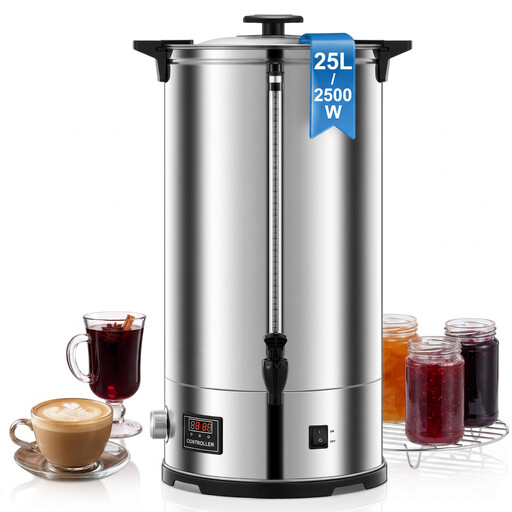 Image unavailable
The product name mentions a soup cooking pot, timer and temperature control; check that the stated capacity and filling limits suit your recipe.
The product name lists 25L, a 2500W motor and a stainless steel cooking pot.
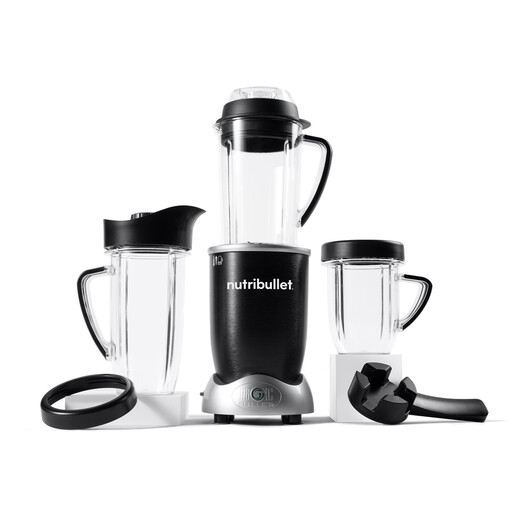 Image unavailable
If you’re considering this blender for soup, check the product information to see whether the model can heat and process your recipe.
The product name lists a 1700W motor, a 10-piece set, heat-resistant cups and use for hot and cold preparations.
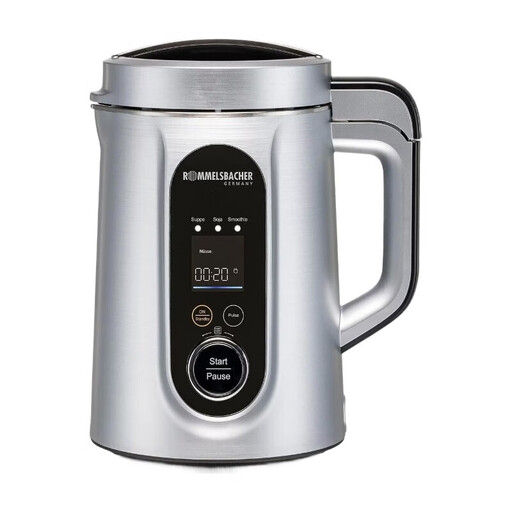 Image unavailable
The product name mentions making soup and vegetable drinks; check that the capacity and filling limits are suitable for your hot soup recipe.
The main unit must not be immersed in water; clean the housing with a damp cloth.
Multiply the planned amount of soup per guest by the number of guests and compare the result with the maximum filling level of your chosen model. The stated jug capacity alone doesn’t guarantee a particular number of portions.
In DOMO’s tomato soup recipe, fresh basil leaves are added to serve, after the soup has been made using the smooth soup programme. For another recipe, follow its instructions and the filling limits for your own model.
The Netherlands Nutrition Centre advises covering leftovers, letting them cool and putting them in the fridge or freezer within 2 hours of cooking. When serving, reheat chilled leftovers, stirring occasionally, until piping hot throughout.
This depends on the model and the component. Philips says the motor unit on models including the HR2204/80R1 must not be immersed or rinsed; follow the manual for the model you buy.
According to the Dutch government, electrical appliances placed on the market in the EU must meet the applicable safety requirements and carry a CE marking. Check this for the specific product listing; the product name alone doesn’t confirm that it has the marking.