
Cooking for one
You usually make tomato and basil soup for yourself and have limited storage space. Check the minimum fill level, jug size and where you can store the appliance after use.


When choosing a soup maker for tomato and basil soup in a shared kitchen, it mainly comes down to how much you usually make and how much space you can spare. Then compare the programmes for your preferred soup texture, along with the cleaning instructions: automatic cooking doesn’t mean there’s no cleaning to do.
You usually make tomato and basil soup for yourself and have limited storage space. Check the minimum fill level, jug size and where you can store the appliance after use.
You want to leave the appliance clean and tidy for the next person to use. Compare the permitted cleaning methods for each model and check which parts can be removed.
You make several bowls at once and want to choose between smooth and chunky soup in advance. Compare the fill limits and programmes; you can also add fresh basil after blending.
First, compare the amount you usually make with the fill limits and the storage space available. Then consider your preferred texture and how you’ll need to clean the appliance after use.
| What to consider | What should you look for? | Who is this important for? |
|---|---|---|
| Cleaning | Check whether the blades are removable, which parts can be washed and how to keep the electrical components dry. | If I want to leave the appliance clean for my housemates after use, I pay particular attention to the cleaning instructions. Around 33% of consumers put cleaning first when buying. |
| Portion size and space | Compare the minimum and maximum fill marks, and measure the available worktop and cupboard space. | If you usually cook for yourself, you’ll want to avoid a jug that’s too large for a small batch. For a shared meal, you’ll need enough capacity. Around 27% of consumers put portion size first. |
| Soup texture | Check whether the exact model has a smooth or chunky soup programme. The Netherlands Nutrition Centre recipe adds the basil after blending. | If I want to choose how smooth my tomato soup is, I look at the programmes or controls the appliance offers. Around 20% of consumers put texture first when buying. |
| Uses beyond soup | Consider which programmes you’ll actually use, and read the cleaning instructions and any warranty conditions. | If you want to use the appliance for other recipes too, check which functions are suitable and what support is available if it develops a fault. Around 20% of consumers put versatility and aftercare first. |
A stated capacity of, for example, 1.1 or 1.3 litres doesn’t tell you the minimum amount of soup you can make in the appliance.
Check the minimum and maximum fill marks against the amount you usually make.
According to its model specifications, the blades on the DOMO DO727BL can’t be removed. Philips warns against getting water on the electrical parts of the HR2204/80R1.
Read the instructions for the exact model before buying and before cleaning it for the first time.
Philips lists milk-based soup on the HR2204/80R1 product page, but says on a support page that the same model isn’t suitable for heating milk.
Don’t rely on this conflicting information for milk-based recipes without confirmation for the exact model. The tomato and basil recipe reviewed from the Netherlands Nutrition Centre doesn’t contain milk.
DOMO describes the DO727BL as an automatic soup maker with a 1.2-litre capacity and separate Smooth and Chunky functions.
Philips lists a 1.2-litre jug and six standard programmes for the Viva SoupMaker HR2204/80R1.
Princess lists a 1.3-litre capacity and automatic programmes for heating, blending and stirring for the 212040.
Tristar lists a capacity of 1.1 litres for the BL-4457 automatic soup maker.
Tefal describes the Perfectmix Cook BL83SD30 as a heated cooking blender for hot and cold recipes.
Joybuy picks for making tomato and basil soup with a heated blender or an automatic soup maker.
 No image available
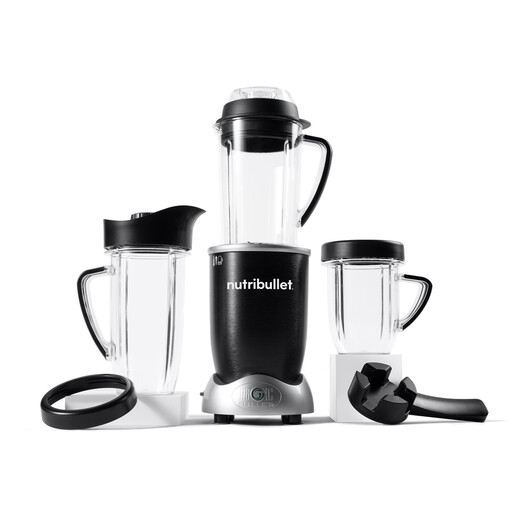
A heated blender could be a good fit if you want to make hot and cold recipes as well as soup.
The product name lists a 1700W motor and heat-resistant cups. According to the product information, the motor base and blade aren’t dishwasher-safe.
 No image available
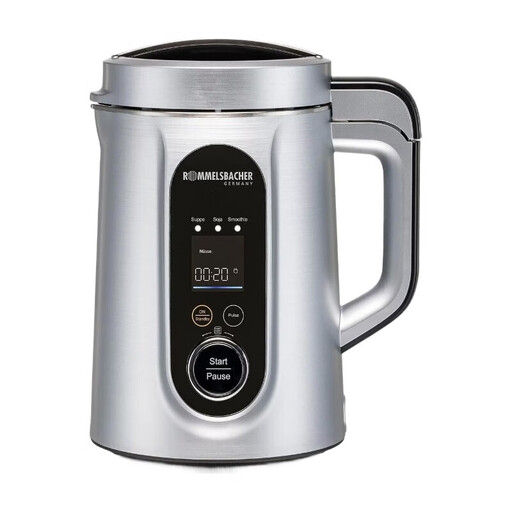
An automatic soup maker could suit you if you want to make soup and blend ingredients in a single appliance.
Bear the cleaning instructions in mind: according to the product information, the main unit must not be immersed in water, and the outside should be cleaned with a damp cloth.
Yes. In the Netherlands Nutrition Centre recipe, you cook tomatoes and onion in a pan, blend them with a hand blender or food processor, then stir the basil into the soup. The recipe quantities don’t tell you whether they’ll meet the minimum fill level of a particular soup maker.
Check the manual for the exact model. For the HR2204/80R1, Philips warns against immersing or rinsing the motor unit and against immersing the base, to prevent water from getting inside.
The Netherlands Nutrition Centre advises covering leftovers, cooling them and putting them in the fridge or freezer within two hours. You can keep leftovers in the fridge for up to two days. Use a clean, airtight container rather than assuming the soup maker can be used for storage.
There’s no fixed term for the statutory guarantee in the Netherlands. According to the Government of the Netherlands, the seller is your point of contact if a product is faulty. The solution depends, among other things, on what you could reasonably expect from the product and what caused the fault.
According to Business.gov.nl, electrical equipment placed on the market must comply with the applicable European rules. Once the manufacturer has assessed conformity, they affix the CE marking and draw up an EU declaration of conformity. General information about this doesn’t confirm that a particular item for sale or a specific variant has been checked.