
Cooking for a larger group
You want to make enough soup in one go for a meal with others, and perhaps set some aside for lunches too. So start by comparing the amount you need with the jug capacity.


Choose a jug capacity that suits the largest batch you want to make in one go. A smaller jug may mean extra batches for a meal shared with others, while a larger jug isn’t automatically suitable for a small lunch portion. Check the minimum fill level, the soup texture you want and the cleaning instructions too. A soup maker also doesn’t replace the need to cool soup safely and transport it chilled.
You want to make enough soup in one go for a meal with others, and perhaps set some aside for lunches too. So start by comparing the amount you need with the jug capacity.
You make soup ahead to take with you, so you’ll need to plan for cooling, storage and transport as well as choosing the appliance.
You sometimes make a small amount of soup and sometimes a larger batch. Compare the minimum and maximum fill levels with the smooth or chunky texture you want.
Start with the amount you need to make in one go, then check that the minimum fill level, programmes and care instructions suit your plans for lunch and shared meals.
These considerations are for people preparing soup both for lunches to take with them and for a meal shared with others. The percentages in each row show which buying priority matters most in that situation.
| What to consider | What to look for | Who is this most important for? |
|---|---|---|
| Amount per batch | Compare the amount you need with the jug capacity and minimum fill level of the exact model. | For a meal with others, I want to make enough soup in one go without having to cook extra batches unnecessarily. Around 36% of consumers give batch size top priority. |
| Preparing ahead and taking soup with you | Plan how to cool, chill and transport the soup; don’t assume an insulated jug guarantees safe storage time. | If I prepare lunch soup ahead, I want to plan storage and transport carefully. Around 29% of consumers prioritise safe lunch preparation. |
| Soup texture and programmes | Check that the exact model can make the smooth or chunky soup you want, and find out what preparation the ingredients need. | I’m looking for programmes that suit both smooth soup for lunch and chunkier soup for a meal. Around 21% of consumers prioritise their preferred soup texture. |
| Cleaning after repeated use | Compare removable blades, any cleaning function and the care instructions; don’t assume a cleaning programme means the appliance is dishwasher-safe. | If I’m making several batches, I want to know how to clean the jug and blades in line with the instructions. Around 14% of consumers give ease of cleaning top priority. |
The maximum capacity doesn’t tell you how little soup you can make. For the models mentioned, Philips recommends keeping the liquid level between the MIN and MAX marks.
Compare both your smallest lunch batch and your largest batch for a special meal with the markings and jug capacity of the exact model.
A jug that’s too small may mean extra batches. A model that doesn’t suit a small batch may be impractical for lunch portions.
A description of a jug as insulated doesn’t guarantee a safe storage time. The Netherlands Nutrition Centre advises eating hot prepared food straight away or cooling it fully and quickly before taking it with you.
Plan to serve the soup straight after cooking, or arrange to cool it fully and transport it chilled.
A cleaning function doesn’t tell you which parts can be submerged in water. For the HR2204 and HR2203 models mentioned, Philips warns that the motor unit must not be submerged.
Read the care instructions for the exact model and check which parts, if any, can be removed.
DOMO offers models with different jug capacities: 1.6 litres for the DO737BL and 2.2 litres for the DO716BL. DOMO also lists a sauté function for the DO728BL.
According to Princess, the Princess 214002 Family XL has a 2-litre jug and is designed for making larger quantities of soup.
The Viva collection includes compact SoupMaker models. Philips lists a 1.2-litre jug and six programmes for the HR2204/80R1.
The Perfectmix Cook BL83SD30 is a heated cooking blender for anyone looking for other hot and cold programmes as well as soup-making functions.
The Joybuy picks below are cooking pots or herbal decoction pots whose product information mentions soup preparation. Before buying, check that the exact soup function and usable capacity suit your portion sizes. The Netherlands Food and Consumer Product Safety Authority states that CE marking is mandatory for electrical products; check the marking on the specific appliance.
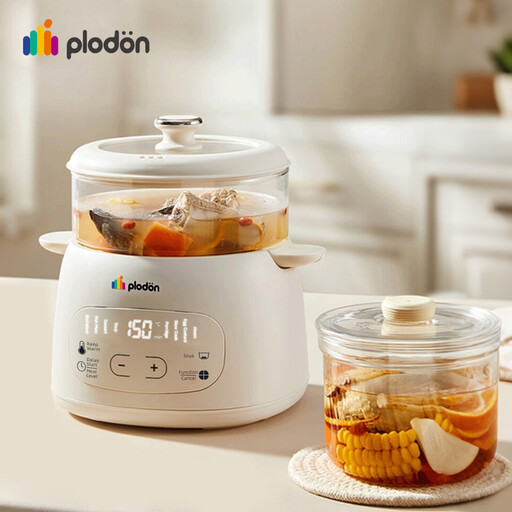 No image available
The product information lists a soup menu. The 2L capacity may suit several portions, depending on the usable fill level.
Product name lists: 2L, 800W and 8-in-1.
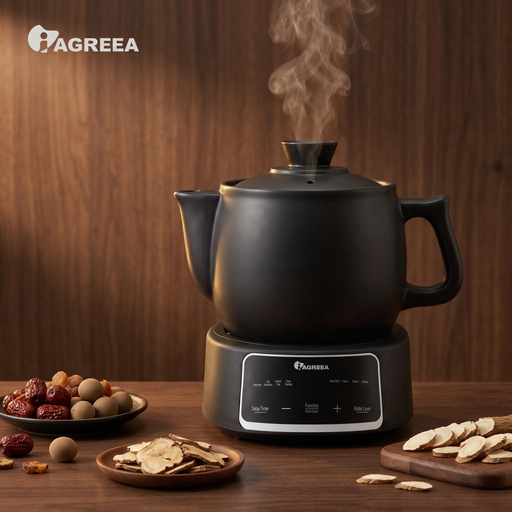 No image available
The product information mentions soup preparation; compare the stated 3.5L capacity with the amount you need to make in one go.
Product name lists: 3.5L, 600W and a 24-hour delayed start.
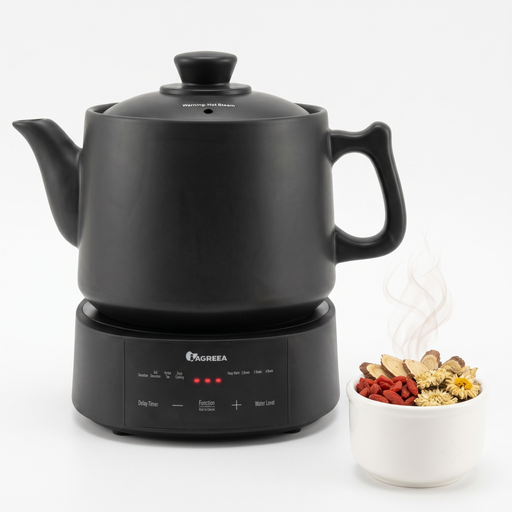 No image available
The product information mentions making soup in larger quantities; check whether the minimum fill level also suits smaller lunch portions.
Product name lists: 4.5L, 600W and a 24-hour delayed start.
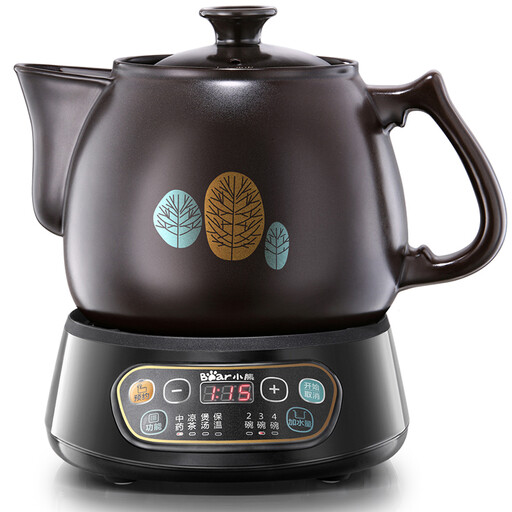 No image available
The product name lists soup as one of its uses; compare the stated 3.5L capacity with your desired batch size and check the exact instructions for use.
The product name lists a capacity of 3.5L.
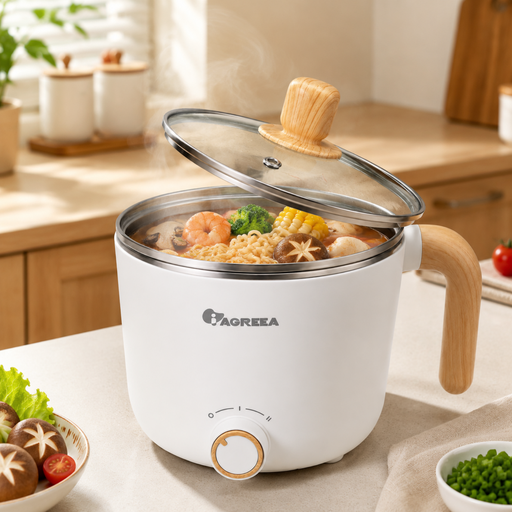 No image available
This 1.0L pot is designed for smaller portions; making enough soup for a meal with others may require several batches.
Product name lists: 1.0L and two power settings of 300W and 600W.
Let the soup cool thoroughly and put leftovers in the fridge within 2 hours of cooking. The Netherlands Nutrition Centre says you can keep leftovers chilled for up to 2 days; keep the soup chilled during transport too.
Don’t assume a description such as ‘insulated’ means the soup can be stored safely for a set time. The Netherlands Nutrition Centre advises eating hot prepared food straight away or cooling it fully and quickly before taking it with you.
Compare the largest amount you want to make in one go with the jug capacity, and check the minimum fill level for smaller portions. A larger maximum capacity alone doesn’t tell you whether the model will work for small batches.
Check the instructions for the exact model. For the HR2204 and HR2203 models mentioned, Philips warns that the motor unit must not go under water, as this could cause a short circuit or electric shock.
The Netherlands Food and Consumer Product Safety Authority states that CE marking is mandatory for electrical products. Check the marking on the specific appliance; on its own, it isn’t an independent test of how well the appliance makes soup.