
Lunch prepper with limited worktop space
Makes a few portions and mainly wants to compare external dimensions, filling capacity and storage space. DOMO’s manufacturer specifications provide exact measurements for the DO727BL and DO705BL models.


If you usually make a few portions for lunch, start by comparing the external dimensions, usable filling capacity and cleaning method of compact soup makers. A larger jug is most practical if you regularly make several portions at once and have room to portion and store them properly. Also choose based on the other things you genuinely want to make; storing and transporting soup requires separate planning.
Makes a few portions and mainly wants to compare external dimensions, filling capacity and storage space. DOMO’s manufacturer specifications provide exact measurements for the DO727BL and DO705BL models.
Wants to make more portions per cooking cycle and has room to portion, cool and store the soup quickly. DOMO and the Netherlands Nutrition Centre provide information on model capacity and storing prepared meals respectively.
Wants to make things like smoothies as well as soup, and weighs up that versatility against the space required and the cleaning involved. DOMO and Philips list these features for specific models.
| What to consider | What should you check? | Which consumers is this important for? |
|---|---|---|
| Space and portion size | Compare the external dimensions and filling limits of the exact model; the stated capacity does not automatically tell you how much soup it will make. | If I have limited worktop space and usually make a few portions for lunch, I want to know whether both the appliance and the amount of soup will fit. Around 36% of consumers prioritise the space it takes up and portion size. |
| Preparing several lunches | Work out how many portions you’ll make per cooking cycle and whether you have enough airtight containers and fridge or freezer space. | When I prepare lunches in advance, making a larger batch is only useful if I can store the portions properly afterwards. Around 29% of consumers prioritise preparing several lunches at once. |
| Cleaning | Check which parts can be removed and how to clean the jug, blades and electrical components according to the instructions. | With regular use, I want a cleaning routine I can follow after every batch. Around 21% of consumers put easy cleaning at the top of their list. |
| Soup and other recipes | Compare the programmes available on the exact model; don’t assume features based on the brand name alone. | If I also want to make smoothies or different soup textures, I check whether the specific model lists those options. Around 14% of consumers choose mainly based on features for preparing different recipes. |
According to the manufacturer, the DOMO DO727BL and DO705BL differ in both capacity and external dimensions. A larger jug may therefore be less practical if you have limited worktop or cupboard space.
Measure the space available and compare the external dimensions and filling limits before choosing a larger jug.
Princess describes the jug on model 214001 as double-walled, but that alone doesn’t mean soup can be safely chilled or transported in it. The Netherlands Nutrition Centre recommends cooling prepared meals promptly and keeping them chilled.
Plan transport and storage separately from the cooking jug. Use suitable, airtight lunch containers and make sure you can keep them properly chilled.
Allow for separate containers and a way to transport your lunch chilled.
The Philips page consulted relates specifically to the refurbished HR2204/80R1. Its details don’t necessarily apply to an offer with a different model designation.
Check the full model code and the product condition with the seller.
The DO727BL is a more compact option for a few portions; the DO705BL has a larger capacity for anyone who regularly makes several portions at once.
According to Philips, the Viva SoupMaker HR2204/80R1 consulted combines soup and smoothie programmes in a 1,2-litre jug.
The 214001 Soup Maker XL is worth comparing if a larger capacity matters more to you than having the smallest possible jug.
The Compact 1L Soup Maker is a smaller option to compare if you mainly want to prepare a few portions for lunch.
The products below include a soup and vegetable drink maker, electric cooking pots that list soup as one of their uses, and herbal decoction pots with a soup setting. Compare their shape, capacity and filling limits with the portions you want to make for lunch.
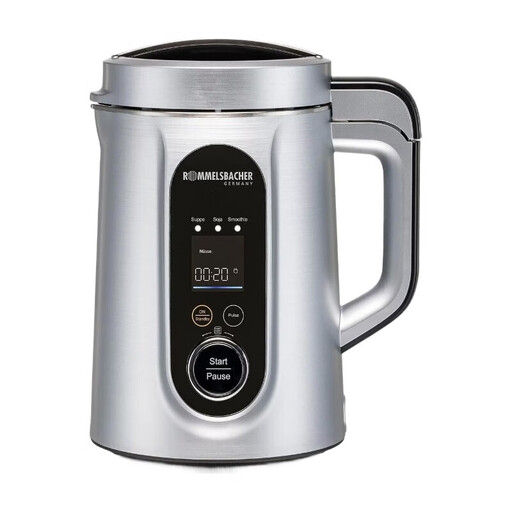 No image available
The product information lists soup, smoothies and plant-based drinks; check that the filling limit suits your lunch portions.
The product information warns that the contents may be hot during and after use and that the main unit must not be immersed in water.
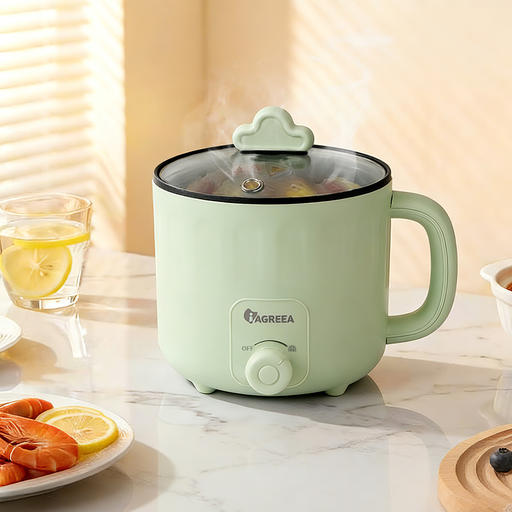 No image available
This is an electric cooking pot, not an appliance specifically described as a soup maker; the product information lists soup as one of its possible uses.
Capacity according to the product title: 1,6 litres. The product information recommends filling the pot no more than two-thirds full.
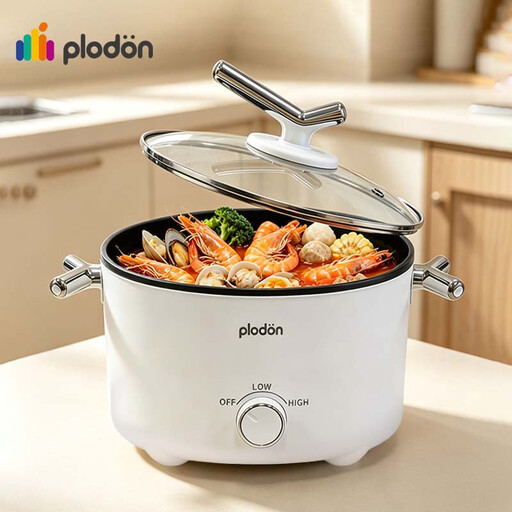 No image available
The product title describes this cooking pot as a ramen cooker; the product information lists soup as one of its possible uses.
Capacity and power according to the product title: 2.0L and 1000W. The product information recommends filling the pot no more than two-thirds full.
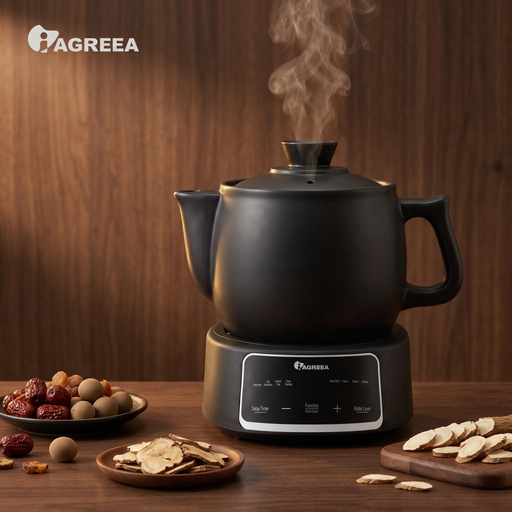 No image available
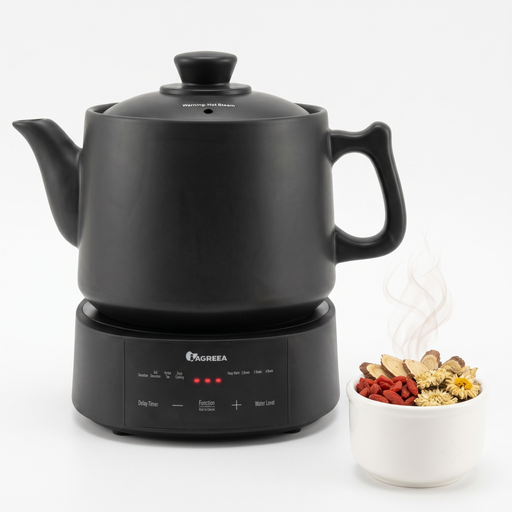
The product information lists a soup setting. The stated capacity is 3,5 litres; consider whether a batch of this size suits the amount of lunch you want to prepare.
Follow the maximum fill mark. The product information warns that the pot and its contents will be hot during and after use.
 No image available
The product information lists soup as a use and gives a capacity of 4,5 litres. Check whether that amount suits your portions and available storage space.
The product title lists a 24H delay timer and automatic keep-warm function. Don’t rely on this as a substitute for properly chilling packed lunches.
Start by working out how many portions you want to make per cooking cycle, then compare the filling limits and external dimensions of the exact model. The stated jug capacity doesn’t necessarily tell you how much finished soup each programme will make.
According to the Netherlands Nutrition Centre, prepared meals can be kept in the fridge for up to 2 days; freeze any portions you want to eat later. Never leave food out of the fridge for more than 2 hours, and keep it chilled at 4 °C.
A cleaning function doesn’t automatically mean you’ll never need to clean the appliance by hand. Compare the instructions and the model’s design: DOMO lists removable blades on the DO705BL and non-removable blades on the DO727BL.
According to the Government of the Netherlands, the seller must provide a solution if a product is faulty; you don’t have to contact the manufacturer only. The Netherlands does not have a fixed statutory warranty period of two years.
For the specific offer, check the product identity, electrical specification, instructions for use and applicable markings. The Government of the Netherlands explains that many consumer products must carry a CE marking; whether this requirement applies to a specific product depends on the relevant rules. General product information is not an individual conformity assessment of the item being offered.