
Cooking small batches for lunch
You want to cook for a small household without having to fill a large jug every time. As well as the maximum capacity, check the minimum fill level. DOMO and Philips list models with a 1.2-litre jug.


For a small household, a soup maker with a 1.2-litre jug is a sensible starting point. A 1.6-litre model gives you more capacity if you want to prepare several lunches at once, according to the product specifications from DOMO, Philips and Princess. The maximum capacity doesn’t tell you whether you can also make a small portion, so check the minimum fill level and cleaning instructions for the exact model. If you’re saving soup for later, follow the Netherlands Nutrition Centre’s storage advice too.
You want to cook for a small household without having to fill a large jug every time. As well as the maximum capacity, check the minimum fill level. DOMO and Philips list models with a 1.2-litre jug.
You’d rather make several portions at once and then divide them between the fridge and freezer. DOMO and Princess list soup makers with a 1.6-litre jug. The Netherlands Nutrition Centre offers separate advice on storing and freezing food.
You want to choose between smooth and chunky soup, and easy cleaning matters when you use it regularly. Check the programmes and blade design of the specific model; DOMO lists different options in these areas.
Best for: those who usually cook for a small household and don’t need a large batch each time. DOMO and Philips list models with this maximum capacity.
Bear in mind: the maximum capacity doesn’t prove that you can make a single small lunch portion; check the minimum fill level.
Best for: those who want to make several lunches in one go. DOMO and Princess list models with this maximum capacity.
Bear in mind: a larger jug doesn’t guarantee that small batches will work well; also plan how you’ll store the extra portions in airtight containers.
| What to consider | What to look for when buying | Who is this important for? |
|---|---|---|
| Batch size | Compare the jug’s maximum capacity with the portions you plan to make, and check the minimum fill level for the exact model separately. | If you usually cook for a small household, you won’t want to make a bigger batch than you need. Around 33% of consumers prioritise finding the right batch size. |
| Storing and taking soup with you | Plan to use airtight portion containers and a suitable way to keep the soup stored until you’re ready to eat; the soup maker doesn’t take care of storage. | If you prepare lunches ahead, you’ll want to be able to store and transport portions conveniently. Around 27% of consumers prioritise preparing lunch portions and storing them. |
| Soup texture | Check the programmes for the exact model if you want to make both smooth and chunky soup. | If you like to alternate between smooth and chunky soup for lunch, you’ll want to be able to choose either texture. Around 20% of consumers make soup texture their main priority. |
| Cleaning | Read the cleaning instructions for the specific model and check whether the blades can be removed; don’t assume it’s dishwasher-safe. | If you make soup regularly, you’ll want cleaning to fit in with your routine. Around 20% of consumers focus mainly on cleaning when using a soup maker regularly. |
A stated capacity of 1.2 or 1.6 litres tells you the maximum volume, not the minimum amount the appliance can prepare.
Before choosing it for a single lunch portion, check the minimum fill mark or the manual for the exact model.
Soup you’re saving for later needs to be cooled promptly and stored correctly; the soup maker doesn’t provide chilled storage.
The Netherlands Nutrition Centre advises keeping cooked food in the fridge for no more than two days and freezing it if you won’t eat it within that time. Cool the soup and place it in an airtight container in the fridge or freezer within two hours.
For portions you’ll eat later, you may need airtight containers and enough space in the fridge or freezer.
According to the manufacturer, the blades are constructed differently in the DOMO models reviewed: they can’t be removed from the DO727BL, but they can be removed from the DO498BL.
Check the cleaning instructions for the exact model and don’t assume it’s dishwasher-safe unless this is confirmed.
The DOMO models reviewed include both a 1.2-litre soup maker and a 1.6-litre version.
The Viva Collection SoupMaker HR2204/80R1 reviewed is a 1.2-litre model with programmes for thin and thick soups, among other options.
The Princess 214001 Soup Maker XL reviewed has a 1.6-litre jug, making it an option if you want to prepare several portions at once.
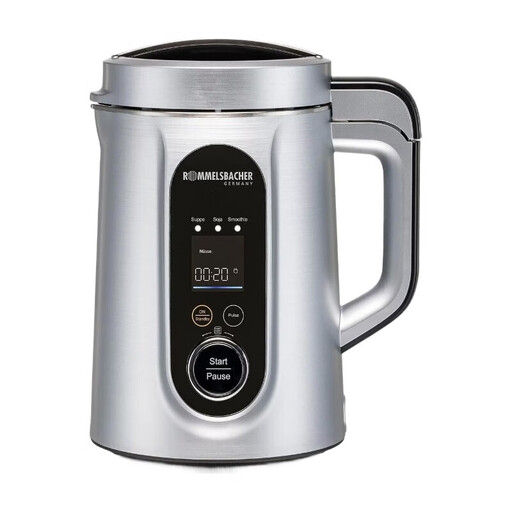
Joybuy products to consider for making soup to take with you for lunch.
 No image available
The product name describes this model as a soup and vegetable drink maker, making it worth considering if you’re looking for an appliance to prepare soup.
The maximum jug capacity doesn’t tell you. Before choosing it for a single portion, check the minimum fill mark or the manual for the exact model.
The Netherlands Nutrition Centre advises keeping cooked food in the fridge for no more than two days and freezing it if you won’t eat it within that time. Cool the soup, put it in an airtight container in the fridge or freezer within two hours, and set your fridge to 4 °C.
Check the instructions for your exact model, especially the blade design. DOMO lists non-removable blades and a cleaning brush for the DO727BL, but removable blades for the DO498BL; this doesn’t mean that all parts are dishwasher-safe.
According to ACM ConsuWijzer, if a product doesn’t perform as you could reasonably expect under normal use, the seller must offer an appropriate solution free of charge. Your statutory rights apply alongside any seller’s or manufacturer’s guarantee; there isn’t simply one fixed two-year statutory guarantee period for every soup maker.
According to ACM ConsuWijzer, online product purchases generally come with a statutory cooling-off period of up to 14 days after delivery. Check which exceptions and return terms apply to your purchase.