
People using a shared kitchen
Want to clear the worktop and sink quickly after cooking? Compare the dimensions and care instructions for the specific model. For example, Philips states that the parts of the HR2203/80 are not dishwasher-safe.


Choose based on how much soup you want to make at a time, then check how much space and cleaning the specific model requires. A compact soup maker may be enough for a small batch; a larger capacity can be useful for several lunches, while a heated blender is a good fit if you also want to make other recipes. None of these appliances replaces safe refrigeration or suitable, securely sealed lunch containers.
Want to clear the worktop and sink quickly after cooking? Compare the dimensions and care instructions for the specific model. For example, Philips states that the parts of the HR2203/80 are not dishwasher-safe.
If you want to make more than one portion at a time, compare the capacity and fill markings with your lunch containers and available fridge space. Manufacturers list a capacity of 1.2 litres for the Philips HR2203/80, 1.6 litres for the Princess 214001 and 2 litres for the DOMO DO705BL.
Your choice should also include a plan for cooling, transporting and storing the soup at your destination. The Voedingscentrum advises eating leftovers within two days of refrigerating them.
The NVWA states that CE marking is compulsory for electrical products covered by the applicable Dutch regulations. So, check that the specific product carries the required marking.
| What to consider | What should you check? | Who should pay particular attention? |
|---|---|---|
| Cleaning and shared space | Check the dimensions and care instructions for the jug, lid and blade. A cleaning function is not the same as being dishwasher-safe. | If you want to clear the shared sink quickly after cooking, focus on the cleaning required and the space the appliance takes up. Around 28% of consumers say cleaning and sharing space are their main concerns. |
| Batch size | Compare your lunch portions with the minimum and maximum fill levels in the manual. The stated jug capacity is not necessarily the permitted amount for every recipe. | If you want to fill several lunch containers at once, compare the usable capacity with your containers and fridge space. Around 22% of consumers prioritise batch size for lunches. |
| Storage and transport | Plan how you will cool, seal and keep portions chilled. The Voedingscentrum advises cooling leftovers within two hours, storing them at 4 °C and eating them within two days. | If you’re taking soup with you, you’ll want to know how to keep it chilled on the way and at your destination. Around 22% of consumers say storage and transport are their main concerns. |
| Smooth or chunky soup | Check whether the specific model has programmes for the texture you want. Philips lists thin and thick soup programmes for the HR2203/80; DOMO lists Smooth and Chunky programmes for the DO705BL. | If you want to choose between puréed soup and soup with chunks, check which programmes are available. Around 17% of consumers prioritise their preferred soup texture. |
| Other recipes | Compare the specific hot and cold programmes with what you actually want to make. Tefal lists both types of programme for the Perfectmix Cook BL83SD30. | If you’re looking for one appliance to make soup and other recipes, compare the functions with how you plan to use it. Around 11% of consumers say versatility is their main concern. |
How much you can make for a recipe also depends on the model’s fill markings and instructions.
First compare your lunch portions, then check the fill instructions in the manual for the specific model.
Philips states that the parts of the HR2203/80 are not dishwasher-safe. DOMO lists a cleaning function for the DO705BL; that’s a different feature.
Check the care instructions for the jug, lid and blade separately.
Even with a cleaning function, you may still need to wash parts by hand. Allow for securely sealed containers and, if you can’t keep your lunch chilled straight away, a way to keep it cool.
Preparing, cooling, storing and transporting soup are separate steps. A larger batch won’t automatically stay safe until lunchtime.
Plan how to chill and pack the soup as well as how much to make. The Voedingscentrum advises cooling leftovers within two hours, storing them at 4 °C and eating them within two days.
Philips describes the HR2203/80 as a compact soup maker for smaller batches.
DOMO lists a capacity of 2 litres for the DO705BL, making it suitable for larger batches.
According to Princess, the Princess 214001 Soup Maker XL has a capacity of 1.6 litres.
The Perfectmix Cook BL83SD30 is a heated blender for anyone who wants to make cold recipes as well as soup.
Dutch retailer listings describe the HB150EU as a heated blender for hot soup and cold recipes.
These Joybuy products are heated or multifunctional appliances for making soup, and may also suit anyone who wants to make other recipes with the same appliance.
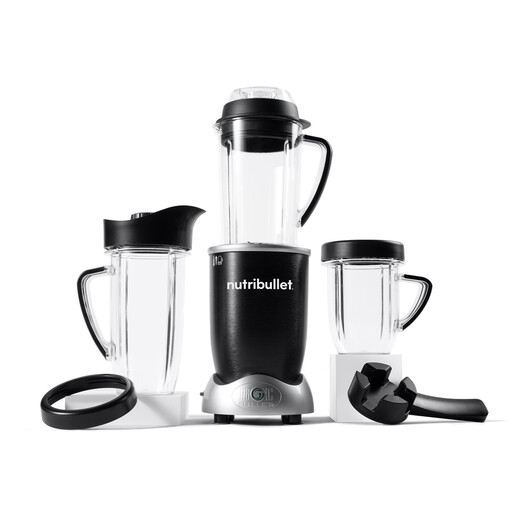 Image unavailable
Suitable if you want to make cold recipes in a blender as well as soup.
The set includes heat-resistant cups. For hot ingredients, use the supplied 1 L jug with its two-part vented lid.
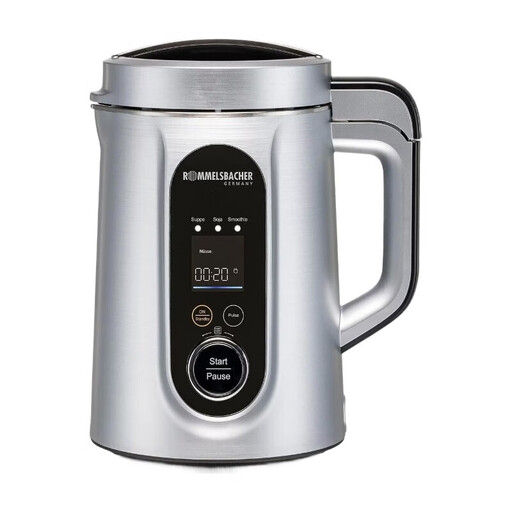 Image unavailable
Suitable if you want to make vegetable drinks as well as soup with the same appliance.
For hot contents, follow the maximum fill marking; the inner pot and its contents may be hot during and after use.
Start with the capacity of your lunch containers and how many lunches you want to make at once. Compare this with the minimum and maximum fill levels in the manual for the specific model; the stated jug capacity is not necessarily the usable amount for every recipe.
It depends on the model. Philips states that the parts of the HR2203/80 are not dishwasher-safe. Check the manual for other models; a cleaning programme doesn’t automatically mean the jug can go in the dishwasher.
According to the Voedingscentrum, you should cool leftovers within two hours, store them in a sealed container at 4 °C and eat them within two days. When reheating leftovers, make sure they’re piping hot throughout, and plan how to keep the soup chilled while you’re travelling.
CE marking is compulsory for electrical products placed on the market under the applicable Dutch regulations. The NVWA outlines this requirement; check that the specific product carries the required marking.
In the Netherlands, the seller is responsible under the statutory guarantee if a product does not meet what you could reasonably expect from it, according to ACM ConsuWijzer. Any manufacturer’s guarantee does not replace your statutory rights.