
Workshop cook making several lunches
You want to portion out several servings in one cooking session. So compare the amount you plan to make with the appliance’s permitted fill markings.


Choose a soup maker with a permitted fill level that suits the number of lunch portions you want to make per batch. Then compare the programmes for smooth or chunky soup, along with the cleaning instructions. A soup maker does not keep soup safe for storage: the Netherlands Nutrition Centre advises cooling leftovers within two hours and storing them in a sealed container in the fridge.
You want to portion out several servings in one cooking session. So compare the amount you plan to make with the appliance’s permitted fill markings.
You won’t be eating the soup until after the workshop, so you’ll need to plan for cooling, storage and transport as well as cooking. The Netherlands Nutrition Centre offers advice on storing leftovers safely.
You want to switch between smooth soup and soup with chunks. Compare the programmes on the specific model and check how to clean it after use.
Start with the amount you want to make per batch, then check the fill markings. A jug’s stated capacity alone doesn’t tell you how much you can make according to the instructions.
Suitable if: you make a limited number of lunch portions per batch. Philips describes SoupMaker jugs with a capacity of 1.2 litres.
The trade-off: you may need to make extra batches for more portions; check the fill markings for the specific model.
Suitable if: 1.2 litres isn’t enough for the amount you plan to make, but you don’t need a larger batch. Princess lists the 214001 as having a capacity of 1.6 litres.
The trade-off: check the permitted fill level and cleaning instructions for the specific model. Its capacity doesn’t guarantee that the jug will keep soup safely warm until lunchtime.
Suitable if: you want to portion out several lunches in one batch. DOMO lists the DO705BL as having a capacity of 2 litres.
The trade-off: bear in mind that a larger jug takes up more space, and check the minimum fill level if you also make smaller batches.
| What to consider | What to look for | Who this matters to |
|---|---|---|
| Amount per batch | Compare the portions you plan to make with the minimum and maximum fill markings on the specific model. | If I’m making several lunches during a workshop, I want to know whether one batch will be enough. For around 33% of consumers, making enough soup in one batch is their main buying concern. |
| Storing soup for later | Plan for sealed containers, chilled storage and transport; a keep-warm function doesn’t replace these steps. | If lunch won’t be eaten until later, I want to plan ahead for cooling, storage and transport. Around 27% of consumers prioritise being able to eat food safely at a later time. |
| Soup texture | Check that the specific model has programmes for both smooth soup and soup with chunks. | If I make recipes with different textures, I want a programme that suits my soup. Around 20% of consumers prioritise their preferred soup texture. |
| Cleaning | Check the model’s care instructions; a cleaning function doesn’t mean every part can be submerged in water. | If I’m making several batches, I want to know how to clean the appliance safely between them. Around 20% of consumers make ease of cleaning their main buying concern. |
The stated capacity isn’t automatically the amount you can prepare in one go according to the instructions. You may need extra batches if your workshop portions exceed the permitted fill level.
Work out how much soup you need per batch and check the minimum and maximum markings for the specific model before buying.
A double-walled jug or keep-warm function doesn’t, on its own, establish a safe storage time. If the soup will be eaten later, you’ll need to plan its storage and transport separately.
Follow the Netherlands Nutrition Centre’s storage advice and arrange suitable sealed containers and chilled storage where needed.
You may need sealed food containers and a suitable way to keep them cool between preparation and lunchtime.
The care instructions may restrict how you can clean electrical parts. A cleaning programme doesn’t mean the motor unit or other parts can be submerged in water.
Read the care instructions for the specific model before cleaning the appliance between batches.
The SoupMaker range may be worth considering if you’re looking for a more modest jug capacity and want to compare programmes for different soup textures.
The DO705BL is an option to compare if you’re looking for a larger jug and several soup settings.
The Princess 214001 may suit anyone comparing a capacity between the compact and larger options mentioned here.
The product information for the appliances below mentions preparing or processing soup. The selection includes cooking pots, a steamer and a blender; check whether the cooking method, capacity and controls of each model suit your recipe and the number of lunch portions you need.
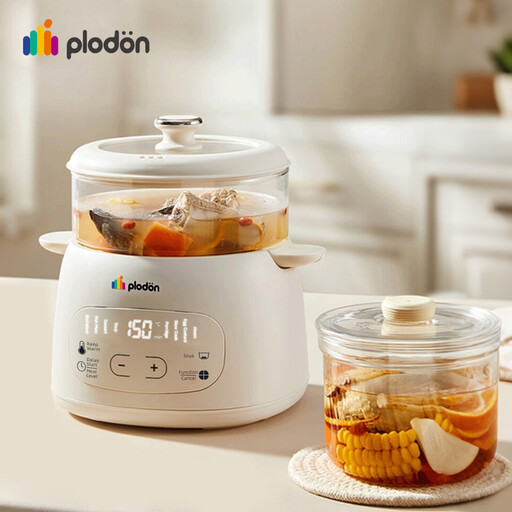 Image unavailable
The product information lists soup as one of its uses; check that the cooking method suits your recipe.
Capacity: 2 L. Power: 800 W. The description lists a soup menu, five heat settings and a keep-warm function.
 Image unavailable
This blender is an option if you want to blend cooked soup until smooth; it isn’t a soup maker that cooks the soup for you.
Jug capacity: 1,500 ml. Power: 800 W. The description lists six blades, two speeds, a pulse function and dishwasher-safe parts.
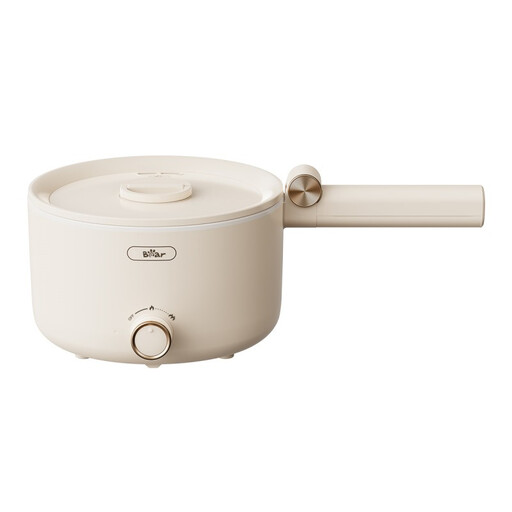 Image unavailable
The product description lists soup as one of its uses; check the instructions for your recipe and batch size.
Capacity: 1.6 L. The description lists two adjustable power settings. The instructions say the appliance must be supervised while in use.
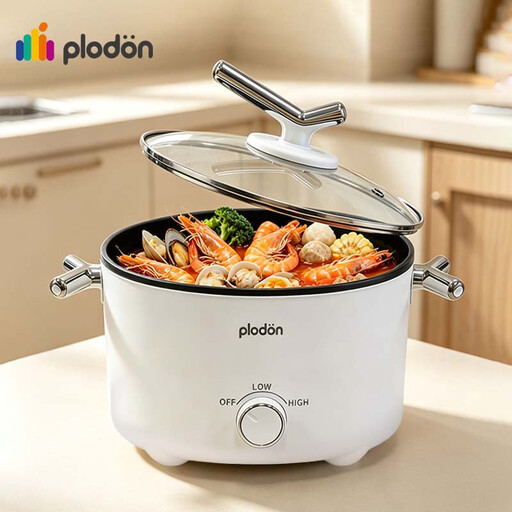 Image unavailable
The product description lists gently simmering soup as one of the uses for this cooking pot.
Capacity: 2.0 L. Power: 1,000 W. The description lists two heat settings; the instructions say not to fill the pot more than two-thirds full.
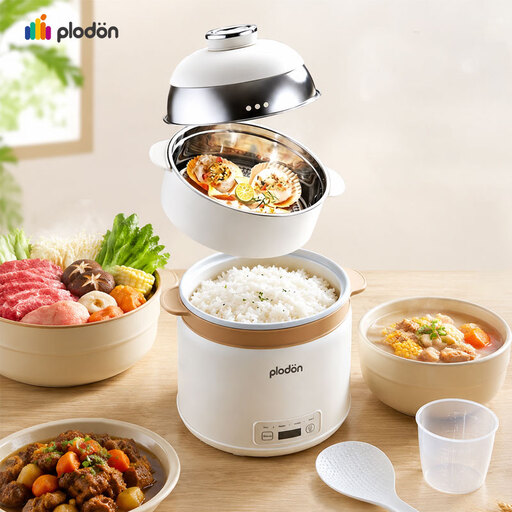 Image unavailable
The product description lists a preset soup menu; check that it suits the way you plan to cook.
Capacity: 2.3 L. The description also lists a steam basket. The instructions say not to fill the pot more than two-thirds full.
First work out how many lunch portions you want to fill per batch, then compare that amount with the minimum and maximum markings on the specific model. Manufacturers list SoupMaker jugs with capacities including 1.2, 1.6 and 2 litres; the stated capacity isn’t automatically suitable for every batch.
The Netherlands Nutrition Centre advises cooling cooked leftovers within two hours, storing them in a sealed container in the fridge at 4 °C, and eating refrigerated leftovers within two days. When reheating, heat leftovers thoroughly until piping hot. Plan how to keep the soup safely stored during transport too; the soup maker doesn’t replace this step.
Follow the instructions for your model. For the models listed on its care page, Philips warns that the motor unit and base must not be submerged. Don’t assume this model-specific instruction applies to other versions without checking.
For a consumer purchase in the Netherlands, report a faulty product to the seller. According to the Government of the Netherlands, Dutch statutory consumer protection doesn’t have a fixed two-year period; what you’re entitled to expect depends on factors including the product and the information provided at the time of sale.
Not simply because they’re cooking workshops. The NVWA sets out registration and food safety plan requirements for businesses that sell food to consumers several times a year. Whether these requirements apply to your workshop depends on what you organise and sell.