
Cooking for a crowd
You want to make several portions of the same soup for a family gathering, so the amount you can make per batch is your main consideration.


Choose the capacity based on how much soup you need to make per batch: a larger jug may mean fewer batches, while a smaller one is better suited to smaller quantities. Then compare the programmes for smooth or chunky soup, and plan separately for cooling, storing and transporting lunch portions; the jug itself isn’t a storage plan.
You want to make several portions of the same soup for a family gathering, so the amount you can make per batch is your main consideration.
You want to choose between smooth soup and soup with chunks, perhaps by making different batches.
You want to portion out soup in advance, so cooling, storing and reheating it later are all part of your plan.
Start with the amount of soup you want to make in one batch. Then compare the soup texture you want and how easy it is to clean, and make separate arrangements for storing and transporting the portions.
| What to consider | What to look for | Who should consider this? |
|---|---|---|
| Portions per batch | Compare the amount you need with the maximum fill level for the exact model; the jug’s capacity doesn’t automatically tell you how much a recipe will make. | For a family gathering, I want to make enough soup in as few batches as possible. Around 33% of consumers mainly need enough portions per batch. |
| Soup texture | Check which programmes make smooth or chunky soup, and whether you need to adapt your recipe or ingredients to suit them. | If not everyone wants the same texture, I want to be able to choose between smooth and chunky. Around 27% of consumers mainly prioritise that choice. |
| Storing and taking it with you | Plan for sealable portion containers and enough fridge or freezer space; remember that the soup needs to be cooled and reheated separately. | When I prepare lunch in advance, I want to be able to store and transport the portions appropriately. Around 20% of consumers focus on portioning ahead of time. |
| Cleaning | Check the instructions for the jug, lid and blades; a cleaning function doesn’t automatically mean that all the parts are dishwasher-safe. | If I make several flavours or batches, I want cleaning between batches to be straightforward. Around 20% of consumers consider ease of cleaning their main reason for buying. |
Manufacturers state the jug’s capacity, but that doesn’t tell you how many portions your recipe will make.
Plan your portions in advance and check the fill marks on the model you’re considering.
For a larger group, you may need to make extra batches and use separate portion containers.
A brand’s claim that the jug acts as a thermos flask doesn’t establish a safe storage time for soup.
Plan how you’ll cool, store and transport the soup separately from your choice of appliance.
Allow for extra steps to pack portions separately and store them correctly.
A stated cleaning function doesn’t confirm that every part can go in the dishwasher.
Before buying, check the instructions for the exact model and follow the cleaning guidance for each individual part.
Compare the 2-litre DO705BL with the 2.2-litre DO716BL if the amount you can make per batch matters to you.
The 214001 is worth comparing if a jug capacity of 1.6 litres suits your portion plan.
The HR2204/80R1 is a more compact option to compare, with a capacity of 1.2 litres stated by Philips.
This Joybuy selection includes electric cooking pots whose product information mentions soup-making. Compare the stated capacity and features with your portion plan. According to the Dutch Government, electrical appliances offered in the EU must carry a CE mark; check that the specific version you’re considering has one.
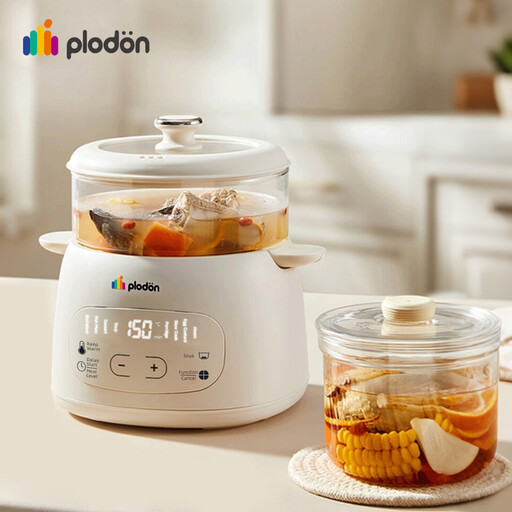 Image unavailable
The product information lists a soup menu, which may suit you if you want to make soup and the additional functions meet your needs.
The product name states 2 L, 800 W, eight programmes and five heat settings. A delayed start and keep-warm function are also listed.
 Image unavailable
Soup-making is listed as a use for this cooking pot; its capacity may be relevant if 2.6 litres suits the batch size you want.
The product name states a power rating of 1000 W. The product information lists three manual heat settings.
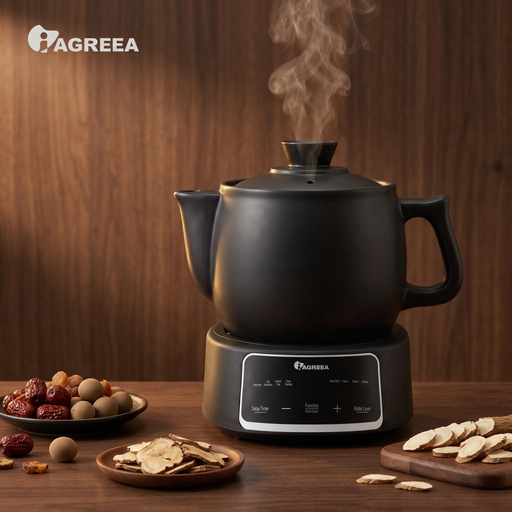 Image unavailable
The product name mentions tonic soup; compare the stated capacity with the amount you want to make per batch.
The product name states 3.5 L, 600 W, four preset settings and a timer with delayed start. The ceramic pot is removable; the product information warns against immersing the electrical base.
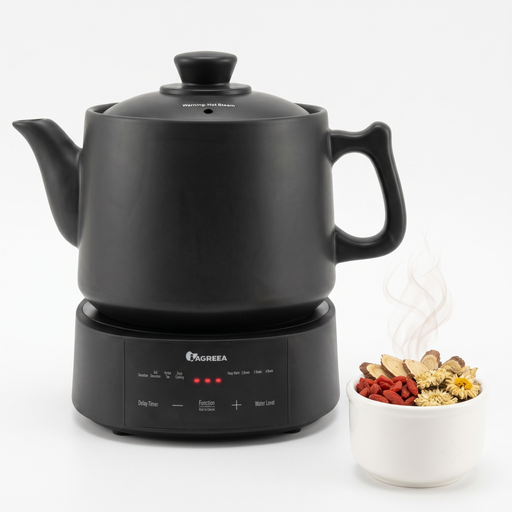 Image unavailable
The product name mentions tonic soup and a capacity of 4.5 L; consider whether this size suits your recipe and portion plan.
The product name states 600 W, four preset settings, a timer with delayed start and an automatic keep-warm function.
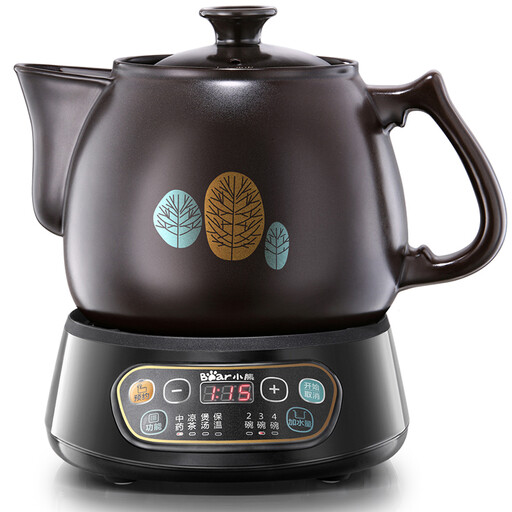 Image unavailable
Soup-making is listed as a use for this cooking pot; its stated capacity may be worth considering if you want to make a larger batch.
The product name states a capacity of 3.5 L, a soup function and automatic operation. The product information warns about hot surfaces and use without water.
First, work out how much soup you want to take with you, then compare it with the maximum fill level for the model you’ve chosen. A stated jug capacity of 1.2, 1.6, 2 or 2.2 litres doesn’t guarantee how many portions your recipe will make.
According to the Netherlands Nutrition Centre, let cooked leftovers cool within 2 hours, divide them into sealed containers and store them in the fridge at 4 °C or in the freezer. Eat refrigerated leftovers within two days and, when reheating, heat them thoroughly until steaming hot.
Princess describes the jug of the 214001 as a thermos flask, but this doesn’t provide evidence of a safe storage time for a packed lunch. Choose a way to store and transport the soup that lets you assess the temperature and how long it will be kept appropriately.
No, a cleaning function doesn’t confirm that all the parts can go in the dishwasher. Check the instructions for the exact model to find out how to clean the jug, lid and blades.
According to the Dutch Government, electrical appliances offered in the EU must carry a CE mark. Check the mark on the specific soup maker you want to buy.