
Cooking for a larger group
Want to match the jug capacity to the number of guests and work out how many batches you’ll need. Princess lists a 2-litre jug for the 214002; DOMO lists a 2.2-litre jug for the DO716BL.


First, work out how much soup you want to serve and how many batches you’ll need. Then choose a model with a programme for your preferred smooth or chunky texture. A larger jug may mean fewer batches, while you can also prepare several batches in advance with a smaller soup maker. For any specific electric appliance, check the cleaning instructions and applicable product compliance information.
Want to match the jug capacity to the number of guests and work out how many batches you’ll need. Princess lists a 2-litre jug for the 214002; DOMO lists a 2.2-litre jug for the DO716BL.
Want to choose between smooth tomato soup and soup with chunks. Philips and DOMO list different soup and blending programmes for each model.
Want to plan the preparation around a family visit and factor in cleaning and safe storage. The Netherlands Nutrition Centre advises cooling leftovers within two hours.
Start with the amount you want to serve. Then compare your preferred texture, the timing of any extra batches and how easy the appliance is to clean.
| What to consider | What to look for | Who is this important for? |
|---|---|---|
| Amount per batch | Compare the jug capacity and fill markings with the total amount you want to make; plan for multiple batches if needed. | If you’re making soup for a family visit, you’ll want to know whether one batch will be enough. Around 36% of consumers give the amount per batch top priority. |
| Smooth or chunky | Check which smooth, chunky or extra-smooth programmes the exact model offers. | If you want a particular texture for your tomato soup, check the available settings. Around 29% of consumers prioritise their preferred soup texture. |
| When you want to serve | Check how long the chosen programme takes and allow for any extra batches. | If you want to serve the soup when guests arrive or with a meal, it helps to plan enough time for multiple batches. Around 21% of consumers give serving plans top priority. |
| Cleaning | Check whether the model has a cleaning function and follow the instructions for electrical components. | If you’ll use the soup maker several times or want to clean it quickly afterwards, check the cleaning routine. Around 14% of consumers prioritise cleaning. |
The amount you need depends on what you want to serve; the stated jug capacity alone won’t tell you whether one batch will be enough.
Work out the total amount you need and check the fill markings on the exact model.
Extra batches may mean more preparation time.
A general time estimate doesn’t automatically tell you how long each programme takes or how long it will take to make tomato and basil soup.
Check the manual for your chosen setting and allow time between cycles if you’re making multiple batches.
A cleaning programme doesn’t replace the model-specific instructions for the motor unit and electrical connections.
Follow the instructions for the jug, blades and electrical components of the model you choose.
The HR2204/80R1 is worth considering if a 1.2-litre jug suits the amount you’re planning to make.
The 214002 Family XL is worth comparing if a 2-litre jug suits the amount you’re planning to make.
Compare the individual DO705BL and DO716BL models if jug capacity and programme choice matter to you.
The Perfectmix Cook BL83SD30 is a heated blender worth comparing if you also want to make other hot and cold recipes.
These product picks are appliances whose product name or description mentions soup preparation. Check whether each model’s features and instructions are suitable for tomato and basil soup and the amount you need for your group. The Dutch government describes CE marking and an EU declaration of conformity as requirements for electrical appliances covered by the relevant EU rules; check this for the specific product.
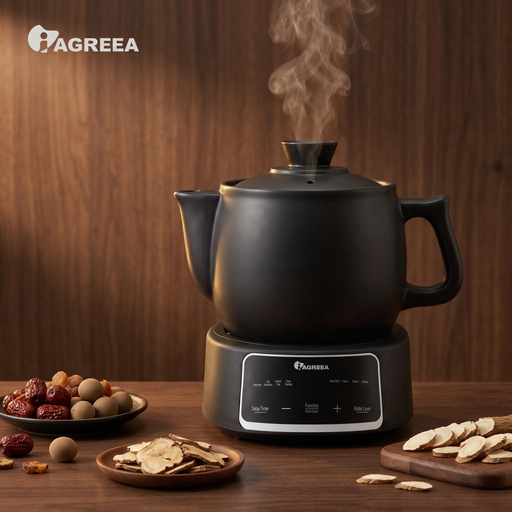 No image available
The product description mentions a soup setting; check whether it’s suitable for your tomato and basil soup.
3.5 L; 600 W; four programmes; delay start up to 24 hours; keep-warm function.
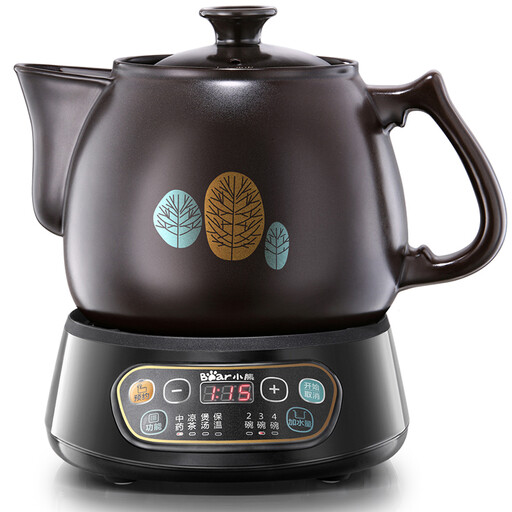 No image available
The product name mentions soup preparation; check the model instructions for your recipe and preferred texture.
3.5 L; the product name lists several uses, including soup preparation.
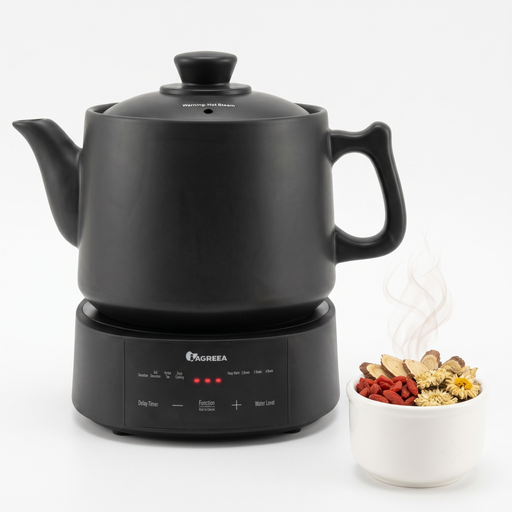 No image available
The product name mentions tonic soup; check whether the features are also suitable for making tomato and basil soup.
4.5 L; 600 W; four programmes; adjustable water level; delay start up to 24 hours; keep-warm function.
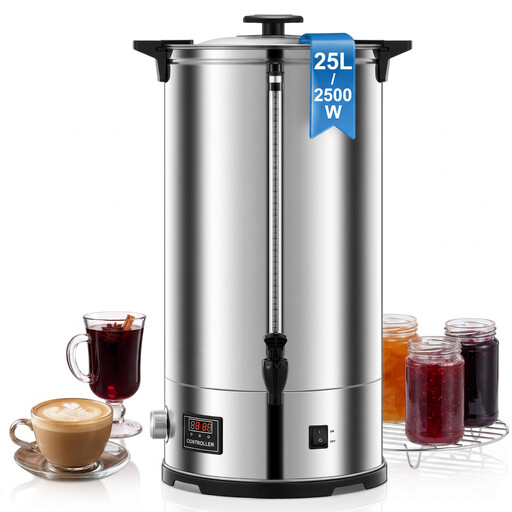 No image available
The stated capacity may be useful if you want to prepare a large amount; check the filling instructions and whether the appliance suits the way you plan to serve the soup.
25 L; 2500 W; stainless steel cooking pot; timer and temperature control.
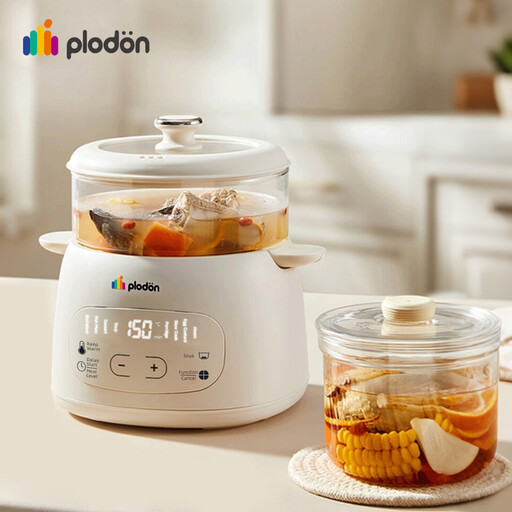 No image available
The product description mentions a soup menu; check the programme instructions for your preferred soup texture.
2 L; 800 W; eight programmes; five heat settings; keep-warm function and delay start.
Compare the total amount you want to make with the maximum fill level for the exact model. Plan multiple batches if you need more soup than the appliance can make at a time; Philips, for example, lists a 1.2-litre capacity and around four servings for the HR2204/80R1.
Don’t assume you can: follow the cleaning instructions for the model you buy. Philips warns that the motor unit and base of the HR2204 version mentioned must not be submerged.
The Netherlands Nutrition Centre advises cooling leftovers within two hours and storing them in a sealed container in the fridge or freezer. When reheating chilled leftovers, heat them thoroughly until steaming hot; this is food safety advice, not a keep-warm function of the appliance.
According to ACM ConsuWijzer, online purchases generally come with a statutory 14-day cooling-off period after delivery. You also have statutory rights against the seller if a product is faulty; in the Netherlands, there isn’t one fixed end date that applies to every appliance.
For electrical kitchen appliances covered by the relevant EU rules, the Dutch government describes CE marking and an EU declaration of conformity as requirements for sale. Check these for the specific product; a general brand description doesn’t confirm that every version complies.