
Fan of chunky soup
Wants recognisable lentils and vegetables. DOMO and Princess describe chunky soup functions on the models mentioned, while a smooth soup programme alone doesn’t confirm that this preference will be met.


Choose a model with a dedicated chunky soup programme if you want recognisable pieces. Then compare its capacity with the space you have for using, storing and cleaning it. Don’t assume a short automatic programme will cook dried lentils through without checking: according to the Netherlands Nutrition Centre, dried pulses must be cooked until tender, while pre-cooked lentils only need reheating. Also check the manual and the CE marking on the specific appliance; the Dutch government says electrical appliances placed on the EU market must have a CE marking.
Wants recognisable lentils and vegetables. DOMO and Princess describe chunky soup functions on the models mentioned, while a smooth soup programme alone doesn’t confirm that this preference will be met.
Wants to fit preparation, storage and cleaning around housemates’ use of the kitchen. So compare both the capacity and the cleaning instructions for the exact model; Philips warns that the motor unit on the HR2204 variants mentioned must not be immersed.
Wants to make several portions at once and store leftovers safely. The Netherlands Nutrition Centre advises cooling leftovers quickly and refrigerating or freezing them, covered, within two hours.
Start with the texture you want and whether you’ll be using cooked or dried lentils. Then compare the capacity and cleaning instructions with the needs of your shared kitchen.
| Buying priority | What should you check? | Who should give this extra thought? |
|---|---|---|
| Recognisable pieces | Check whether the exact model has a dedicated chunky soup or pieces programme. Also check the manual or recipes for guidance on the ingredients you want to use. | If I want the lentils and vegetables to stay recognisable, I look beyond the ‘thick soup’ label. Around 31% of consumers put texture at the top of their buying priorities. |
| Cooking lentils through | Choose cooked lentils if you only want to heat them through, or cook dried lentils according to the pack instructions and check they’re tender. Don’t assume a short soup programme will be enough. | Anyone planning to use dried lentils needs to know how to prepare them before the soup is ready. Around 31% of consumers prioritise how the lentils are prepared and cooked through. |
| Space and cleaning | Compare the dimensions, the parts you’ll need to clean and the instructions for the specific model. Don’t immerse a motor unit if the manual says not to. | If I’m sharing an appliance and want to put it away quickly after use, both size and safe cleaning matter. Around 23% of consumers give space and cleaning top priority. |
| Portions and leftovers | Match the capacity and permitted fill levels to the amount you want to make. Also consider whether you have room for storage containers and chilled leftovers. | Anyone cooking for housemates wants to make enough without losing track of leftovers. Around 15% of consumers prioritise making several portions at once. |
Manufacturers use terms such as thick, hearty and chunky. The name alone doesn’t tell you what size pieces you’ll get in your lentil soup.
Check the manual or recipes for the exact model for information about its programme and ingredients.
The Netherlands Nutrition Centre distinguishes between dried pulses, which must be cooked until tender, and pre-cooked varieties, which only need reheating.
First, decide which lentils you’ll use. For dried lentils, follow the pack instructions and check they’re tender; don’t assume an automatic programme can replace cooking them.
The stated capacities vary between models. A larger batch also means you’ll need enough space to store leftovers safely.
Plan the batch around who’s eating and the space you have for storage and chilling. The Netherlands Nutrition Centre advises cooling leftovers quickly and refrigerating them, covered, within two hours.
DOMO describes the DO705BL as a 2-litre soup maker with a dedicated Chunky function. This may be relevant if you want recognisable pieces and plan to make several portions.
Princess describes the 214002 Family XL as a 2-litre soup maker with programmes for smooth or chunky soup.
Philips describes the HR2204/80R1 as a refurbished 1.2-litre SoupMaker with a thick soup programme.
Tefal presents the Perfectmix Cook BL83SD30 as a heated blender with hot and cold programmes, including one for hearty soup.
These product picks are appliances that can be used to prepare soup. The product names don’t mention a dedicated chunky soup programme, so check before buying that the functions suit lentils with recognisable pieces.
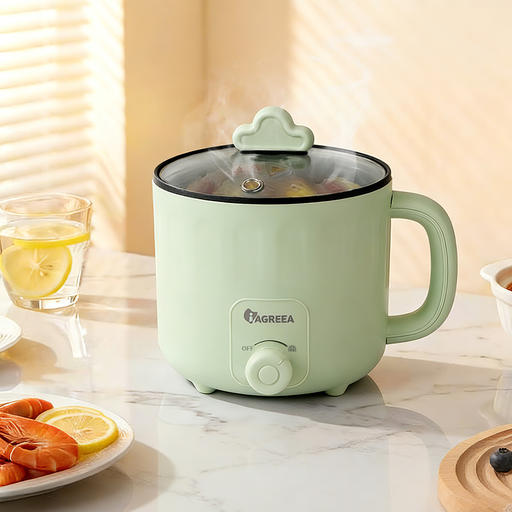 No image available
The product description lists soup as one use for this electric cooking pot. Check whether its cooking method and controls suit your recipe and the texture you want.
The product name states a capacity of 1.6 litres.
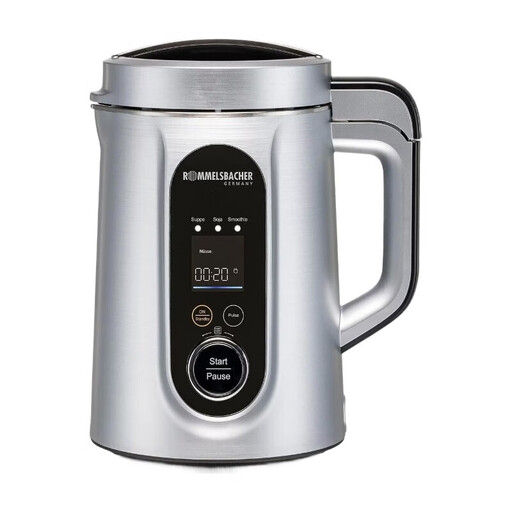 No image available
The name indicates that it can make soup. It blends ingredients to a very smooth consistency, which may not suit you if you want the lentils and vegetables to remain recognisable.
The inner pot and contents may be hot during and after use. Don’t immerse the main unit in water.
Don’t assume you can without checking the recipe and manual. The Netherlands Nutrition Centre says dried pulses must be cooked until tender; lentils from a jar, tin or pouch only need reheating. For dried lentils, also follow the pack instructions.
Follow the manual for the exact model. For the HR2204 variants mentioned, Philips advises unplugging the appliance and not immersing the motor unit or base. Don’t assume the same instructions apply to other brands without checking.
Cool leftovers quickly, seal them in a container and put them in the fridge or freezer within two hours. According to the Netherlands Nutrition Centre, keep chilled leftovers for no more than two days.
According to the Dutch government, you should contact the seller if a product is faulty. There is no fixed two-year legal guarantee period in the Netherlands; what you can expect from a product depends, among other things, on the product and how it is used.
Yes. According to the Dutch government, electrical appliances placed on the EU market must have a CE marking. Check the marking and documentation for the specific appliance; a brand name or product listing alone doesn’t confirm this.