
Cooking for lots of neighbours
First, work out how many bowls you need and how many batches will fit into your schedule. DOMO lists a 2-litre capacity for the DO705BL; Philips Netherlands lists 1.2 litres for the HR2204/80R1.


Start by working out how many bowls you need, then compare that with the permitted fill level per batch. A larger jug may mean fewer batches, but it doesn’t guarantee that all the soup for your community meal will fit in one go. Choose a programme that doesn’t blend if you want to keep recognisable chunks, and check that the lentils you’ve chosen are cooked through. For larger quantities, a big stockpot with the lentils cooked separately may be more practical. The Netherlands Food and Consumer Product Safety Authority states that CE marking is mandatory for electrical consumer products placed on the Dutch market; check the marking on the specific item.
First, work out how many bowls you need and how many batches will fit into your schedule. DOMO lists a 2-litre capacity for the DO705BL; Philips Netherlands lists 1.2 litres for the HR2204/80R1.
You want recognisable vegetables and lentils in your soup, so check whether each model blends during its programme. The DOMO and Moulinex manuals describe a chunky soup programme that doesn’t blend.
You’ll want to check that the lentils are cooked through after the cycle. A Morphy Richards UK recipe recommends checking red lentils, while the Netherlands Nutrition Centre also describes a method where the lentils are cooked separately until tender.
| What to consider | What should you check? | Who is this important for? |
|---|---|---|
| Quantity per batch | Compare the total amount you need with the maximum fill mark; plan to make several batches if necessary. | If I’m cooking for all my neighbours, I want to know how much soup will actually fit in each batch and how many batches I’ll need to plan. Around 36% of consumers prioritise the quantity per batch. |
| Keeping the chunks intact | Check whether the programme blends during cooking and what size the manual recommends cutting the ingredients to. | I want the vegetables and lentils to remain recognisable, so I check whether the programme blends. Around 29% of consumers prioritise their preferred texture. |
| Cooking the lentils through | Follow the instructions for your chosen type of lentils and check they’re cooked through after the cycle. | When I’m using dried lentils, I want to be sure they’re soft when the programme finishes; the end of a programme doesn’t replace checking. Around 21% of consumers prioritise how well the lentils are cooked. |
| Cleaning between batches | Check which parts need cleaning and what the manual says about the cleaning function. | Between batches, I want to know how to clean the appliance. For around 14% of consumers, cleaning is their main buying concern. |
The stated capacity doesn’t tell you how much soup you can safely make in one batch with your recipe. The recipe and fill limits both affect the usable capacity.
Work out how many portions you need first, then compare the amount with the fill marks on your chosen model.
The DOMO DO705BL product page gives a general cooking time of 20 minutes, while the manual says the chunky programme takes around 28 minutes.
Plan using the time for the specific programme, and check that the lentils are cooked through too.
A tight serving schedule leaves little room for a longer cooking cycle or an extra check that the lentils are cooked through.
The product pages for the Moulinex and Morphy Richards models mentioned are aimed at customers in France and the UK respectively. They don’t automatically confirm the Dutch version or its terms of sale.
Check with the Dutch retailer which version is being sold and what terms apply. Keep your statutory rights with the retailer separate from any manufacturer’s guarantee.
The DOMO DO705BL has a 2-litre jug and a chunky programme, making it worth considering if you’re planning to make larger batches.
The Philips HR2204/80R1 is listed as a refurbished model and, according to Philips Netherlands, has a 1.2-litre jug and a thick soup programme.
The Easy Soup LM841B10 has a stated jug capacity of 1.2 litres. Its manual describes a programme for soup with chunks.
The UK model number 501022 is described as having a 1.6-litre jug and settings for smooth and chunky soup.
This selection includes appliances whose product names refer to soup-making. For chunky lentil soup, check whether each model has a programme that doesn’t blend and whether its capacity suits the number of portions you’re planning. The Netherlands Food and Consumer Product Safety Authority states that CE marking is mandatory for electrical consumer products placed on the Dutch market; check the marking on the specific item.
 No image available
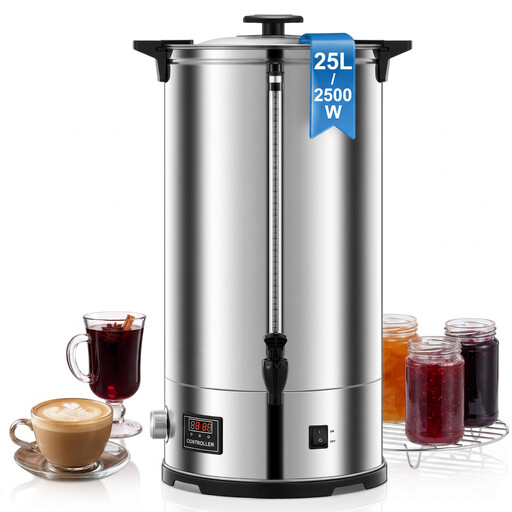
The product name mentions soup-making with a timer and temperature control; check whether the version on offer also has a programme that keeps chunks intact.
The product name lists a 2500W motor and a stainless steel cooking pot.
 No image available
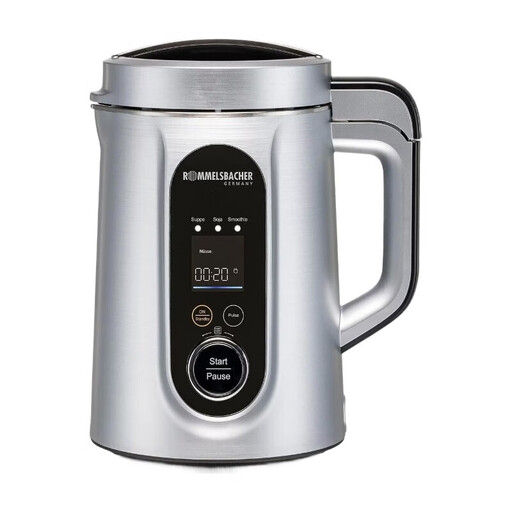
This model is designed for making soup and vegetable drinks; before buying, check whether the programme you choose will leave the pieces in your lentil soup recognisable.
The product description emphasises a smooth result, which may not suit soup with recognisable chunks. It also specifies domestic use, so check whether that suits your intended use.
No, not based on the programme name alone. A Morphy Richards UK recipe uses red lentils and recommends checking that they’re soft after the cycle. For other types of lentils, follow the instructions for that variety and check they’re cooked through.
The Netherlands Nutrition Centre advises cooling leftovers within two hours and storing them covered at 4 °C. Eat refrigerated leftovers within two days, and when reheating, heat them all the way through until piping hot. This is food safety advice, not a statement about a soup maker’s keep-warm function.
Yes. The Netherlands Food and Consumer Product Safety Authority states that CE marking is mandatory for electrical consumer products placed on the Dutch market. This general requirement doesn’t confirm that a specific item on offer carries the marking, so check the product itself.
According to the Dutch Government, the retailer must provide a solution if a product is faulty. The Netherlands doesn’t have a fixed statutory guarantee period of two years; any manufacturer’s guarantee is in addition to your statutory rights.