
Batch cooks
You want to make enough leek and potato soup in one batch for several meals. Compare the stated capacity with the fill limits for the exact model; for example, DOMO and Princess list soup makers with a 2-litre jug.


Start with the amount of leek and potato soup you want to make in each batch: a larger jug may mean fewer batches, but the maximum fill line determines how much of your recipe will fit. Then compare the programmes for smooth or chunky soup, along with the cleaning instructions for the exact model. Plan how you’ll portion and store the soup after cooking, and check that the version on offer meets the applicable product and food-contact requirements.
You want to make enough leek and potato soup in one batch for several meals. Compare the stated capacity with the fill limits for the exact model; for example, DOMO and Princess list soup makers with a 2-litre jug.
You want to choose between smooth soup and soup with chunks. Compare the programmes for each model: DOMO lists programmes for smooth and chunky soup for the DO705BL, while Philips lists programmes for thin and thick soup for the refurbished HR2204/80R1.
You want to know how much cleaning is involved when making several batches. Check the manual for the exact version; DOMO lists a cleaning function and removable blades for the DO705BL.
First decide how much soup you want to make per batch and check the corresponding fill line. Then compare texture programmes, cleaning requirements and the space you have for storing portions.
A good fit if: you want to make more soup in one batch and the ingredients fit within the permitted fill level. DOMO and Princess list models with a 2-litre jug.
Bear in mind: the stated capacity doesn’t automatically mean you can make that much of a thick recipe; check the fill lines and recipe instructions.
A good fit if: smaller batches suit you better and you want to choose the texture for each batch. DOMO lists a 1.6-litre jug and programmes for smooth and chunky soup for the DO498BL.
Bear in mind: you may need more batches to make the same total amount; check the maximum fill level for the version on offer.
A good fit if: you usually make smaller portions. Philips lists a 1.2-litre jug for the refurbished HR2204/80R1.
Bear in mind: you’ll probably need several batches to make a larger amount. The Philips page mentioned is specifically for a refurbished item.
| What to consider | What should you check? | Who is this important for? |
|---|---|---|
| Capacity and batches | Compare the stated capacity with the minimum and maximum fill lines, and with the amount of leek, potato and liquid in your recipe. | If I’m cooking for several days, I want to know how much soup will fit below the maximum fill line before choosing a jug. Around 36% of consumers prioritise the amount they can make in each batch. |
| Preferred texture | Check whether the exact model has programmes for smooth and chunky soup, and follow the instructions for the ingredients. | If I sometimes want smooth soup and sometimes soup with chunks, I compare the programmes on the specific model. Around 29% of consumers give their preferred soup texture the highest priority. |
| Cleaning | Check whether there’s a cleaning function, how to access the blades and which parts must not get wet. | If I’m making several batches in a row, I want to know in advance what cleaning steps are involved. Around 21% of consumers prioritise easy cleaning. |
| Portioning and storage | Check that you can portion the prepared soup promptly and store it in sealed containers. | If I’m batch cooking, I match the amount to the containers and fridge or freezer space I have available. Around 14% of consumers give portioning and storage the highest priority. |
The stated jug capacity doesn’t tell you how much of your particular leek and potato soup recipe will fit in one batch. If the ingredients and liquid don’t fit within the permitted fill level, you may need to cook another batch.
Allow time for several batches if necessary.
Check the minimum and maximum fill lines, and follow the recipe and manual instructions for the model you choose.
Princess states that the parts of the Nova 210340 are not dishwasher-safe. Philips warns that, for the models mentioned, the motor unit and base must not be immersed in water.
Be prepared to wash parts by hand if the instructions say to do so.
Read the cleaning instructions for the exact version before buying and using it.
After cooking, you’ll need a plan for portioning and storing batch-cooked soup. The Netherlands Nutrition Centre advises not leaving leftovers out of the fridge for more than 2 hours.
Make room in advance for sealable portion containers, and follow the storage advice that applies to your recipe.
The DO705BL and DO498BL can be compared by capacity and features; the specifications apply to each model individually.
The Nova 210340 is worth comparing if you’re looking for a model with a manufacturer-stated jug capacity of 2 litres.
The refurbished Viva Collection SoupMaker HR2204/80R1 is an option to compare for smaller batches.
These Joybuy product listings mention soup preparation. Before buying, check that the exact version on offer is suitable for the amount of leek and potato soup you want to make and meets the applicable EU product safety requirements, bears the required CE marking and complies with the rules for materials that come into contact with food.
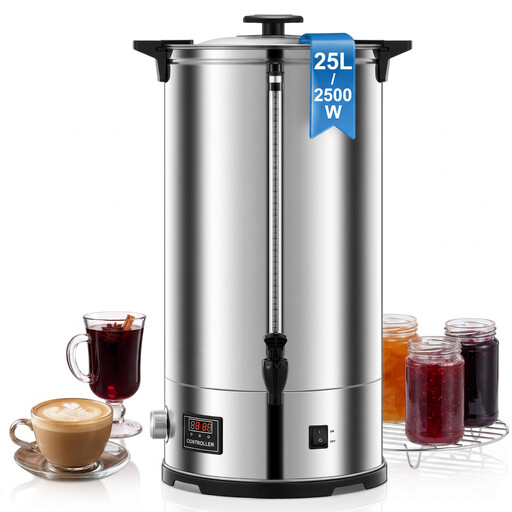 No image available
Check that the permitted fill level and preparation method suit your recipe for batch-cooked soup.
The product title mentions 25L, a 2500W motor, a timer, temperature control and a stainless steel cooking pot.
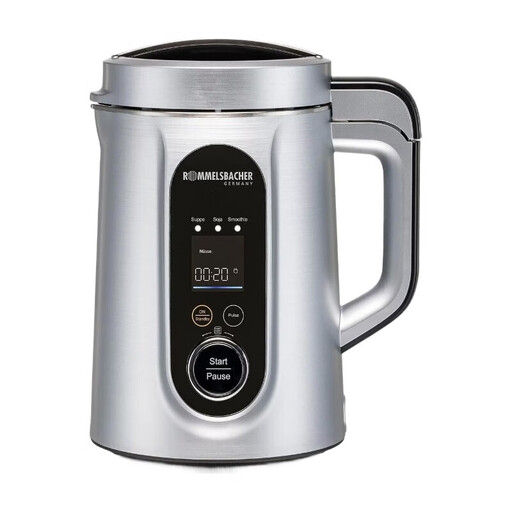 No image available
If you want to make leek and potato soup for several days, check which settings and fill level are suitable for this version.
Compare the amount you want to make per batch with the permitted fill level for the exact model, rather than relying on the number of litres in the product name. Manufacturers list models with 1.2-, 1.6- and 2-litre jugs; you can plan several batches if you want to make a larger total amount.
Follow the manual for your model. For the HR2204 and HR2203 models mentioned, Philips says not to immerse the motor unit or base. DOMO lists a cleaning function and removable blades for the DO705BL; check the instructions for the exact version.
For the category of thick soup with meat and vegetables, the Netherlands Nutrition Centre recommends keeping it for 2 days in the fridge and 3 months in the freezer. This advice applies to that category; for a different recipe, look up the specific dish in the Storage Guide. Don’t leave leftovers out of the fridge for more than 2 hours, and store them in a well-sealed container.
In the Netherlands, a product must meet reasonable expectations; if it doesn’t, contact the seller to find a suitable solution. The Dutch government explains that there is no fixed statutory guarantee period. Any additional guarantee is on top of your legal rights.
Electrical appliances placed on the EU market must meet the applicable product safety requirements and carry the required CE marking, as explained by the Dutch government. Materials that come into contact with food are also subject to the applicable EU rules, including Regulation (EC) No 1935/2004. Check the version on offer; a declaration for a different model doesn’t confirm compliance for that version.