
Vandaag of morgen in huis

Kwaliteit gegarandeerd

Welkomstaanbiedingen ontgrendelen: GRATIS bezorging | Tot 80% korting | Gratis 30 dagen JoyPlus-proefperiode
Download de app
A soothing face cream for sensitive skin should feel comfortable, help retain sufficient moisture and suit your skin type. However, it can be difficult to look beyond terms such as “soothing”, “repair” and “cica”. A high concentration of a popular ingredient does not automatically mean that a product is suitable for every sensitive skin type.
This is particularly important if you experience redness, dryness, an oily T-zone or skin that reacts quickly. It is worth checking both the ingredients list and the texture. Below, we cover the key points to consider, along with some popular Korean skincare options.
Brands regularly use claims such as “repairs the skin barrier” or “reduces redness”. Treat these as product information, not as a guarantee for every user. According to Dr.Jart+’s own research, Cicapair Intensive Soothing Repair Cream immediately reduces visible redness by 22%. The product information does not state the conditions under which this result was measured. Your own skin’s response therefore remains the deciding factor.
A face cream for redness may make your skin feel more comfortable and temporarily give it a calmer appearance, but cosmetics are not a substitute for medical treatment. Persistent redness, swelling, itching or a burning sensation requires advice from a doctor or dermatologist.
Cica usually refers to Centella asiatica, also known as gotu kola. This ingredient is found in many cica creams and Centella asiatica creams. Its presence does not automatically make a formula suitable for every sensitive skin type. Also check for fragrance, essential oils, alcohol and other ingredients you have reacted to in the past.
A formula containing several plant extracts may be interesting, but it also contains more potential triggers than a simple formula. For reactive skin, a short ingredients list can sometimes be more practical.
A gel may feel light and cooling immediately after application, but dry skin may sometimes need a richer cream to help retain moisture for longer. Conversely, a heavy cream may feel uncomfortable on oily or blemish-prone skin when worn under sun cream or make-up.
It is therefore important to distinguish between immediate comfort and long-lasting hydration. A non-greasy face cream is not necessarily less nourishing; the emollients, humectants and occlusive ingredients used together determine the overall experience.
Look for a combination of:
A barrier-repairing cream is a cosmetic term. Check which ingredients support this claim and whether the texture suits your skin.
For oily, combination or blemish-prone skin, a gel cream or lightweight lotion is often a practical option. A moisturising cream for sensitive skin with a lightweight finish can work well with sun cream and make-up during the day.
For dry skin or use during winter, a richer cream may be more suitable. Test a small amount first. Pay attention to stickiness, shine and how the cream feels after around ten minutes.
“Fragrance-free” means that no fragrance has been added according to the product information, but always check the current INCI list on the packaging. Some formulas contain essential oils, such as lavender, citrus or eucalyptus oil. These may be less suitable for some users.
Cosmetics sold in the European Union should include, among other things, an ingredients list, details of the responsible party and safety information. Also check the expiry information on the packaging. Do not use a product if its scent, colour or texture has clearly changed.
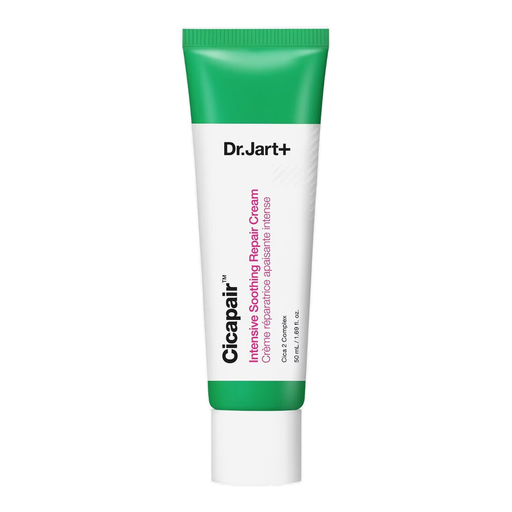
Why it suits this profile: Anyone looking for a richer face cream gets a formula containing a cica complex, glycerine, niacinamide, allantoin and shea butter.
The product details provide both the ingredients and the finish, described as “natural”. However, check the colourants in the INCI list if your skin reacts easily.
Cica derivatives, niacinamide and allantoin; 50 ml in a tube; according to the product description, suitable for several skin types.
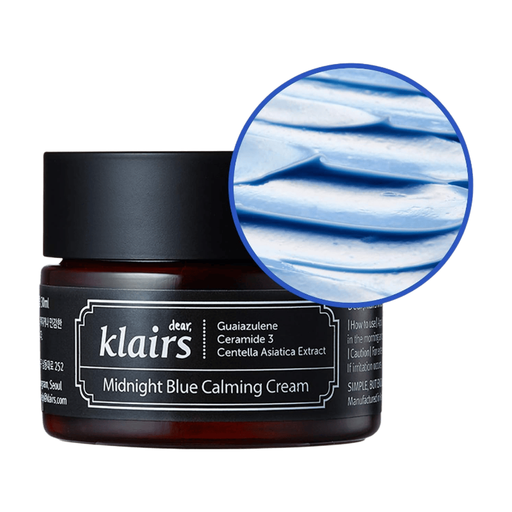
Why it suits this profile: This is a targeted cream for your evening routine. The product information recommends applying a small amount to sensitive areas.
According to the product description, the formula is fragrance-free and intended for targeted use. This means you do not have to apply a thick layer directly over your entire face.
Centella asiatica, ceramide NP and guaiazulene; fragrance-free product description; compact 30 g size.
We have put together a complete, up-to-date list of products that fully meet these strict selection criteria and the applicable European safety requirements.
Apply the cream to clean skin, usually as the final step in your routine. During the day, use sun cream as part of your skincare routine. If you have sensitive skin, it is sensible to apply a small amount to a limited area first. Wait before using the product over your entire face.
Do not combine several new products straight away. This makes it easier to determine which product feels comfortable and which one may be causing redness, stinging or itching.
Look for a fragrance-free formula if you are sensitive to fragrance, with hydrating ingredients such as glycerine, panthenol or hyaluronic acid. Centella asiatica, ceramides and allantoin are often found in soothing formulas. Suitability varies from person to person, so carry out a patch test first.
A gel cream generally feels lighter than a rich cream, making it a practical option for oily or combination skin. However, check the full ingredients list and pay attention to how your skin feels after several hours. “Non-comedogenic” or “acne-safe” is not a guarantee for every user; according to a brand’s product information, a product may nevertheless be described in this way.
Follow the expiry date or the period-after-opening symbol on the packaging. Store the cream in a cool, dry place away from direct sunlight. Use clean hands or a spatula and close the packaging after every use. Stop using it if the scent, colour or texture changes, or if your skin becomes noticeably irritated.
