
Vandaag of morgen in huis

Kwaliteit gegarandeerd

Welkomstaanbiedingen ontgrendelen: GRATIS bezorging | Tot 80% korting | Gratis 30 dagen JoyPlus-proefperiode
Download de app
Sensitive skin can feel dry, tight, red or easily irritated. However, not every hydrating face cream is automatically suitable. A rich cream may feel too heavy on oily skin, while a lightweight gel cream may not provide enough comfort for dry skin.
Marketing can sometimes make the choice more difficult. Words such as “restorative”, “natural” and “clinically tested” only tell you so much if you do not also look at the full ingredients list, texture and directions for use. Below, you can read how to compare a soothing face cream for sensitive skin objectively.
A brand name is no guarantee that a product is fragrance-free or suitable for reactive skin. Always check whether the ingredients list contains fragrance, essential oils or known fragrance allergens. A fragrance-free face cream can be a practical choice if fragrances make your skin feel uncomfortable.
Also pay attention to the difference between “fragrance-free” and “free from fragrance components”. Some plant extracts and essential oils may still contain fragrance compounds.
Centella, ceramides, panthenol and hyaluronic acid are often found in a cream for sensitive skin. However, the presence of one ingredient does not determine the product’s overall performance or how it feels on the skin. Look at the complete formula and the combination of humectants, emollients and ingredients that help reduce moisture loss.
A brand’s own research may mention certain percentages or results. Treat this information as a product claim made by that brand, not as a universal guarantee for every user.
Dry skin often benefits more from a cream containing shea butter, oils or ceramides. Oily, combination or blemish-prone skin may feel more comfortable with a lightweight gel cream for blemish-prone skin. A product that feels comfortable on your cheeks may be too rich for your T-zone.
Look for glycerine, panthenol, beta-glucan or hyaluronic acid if your main aim is to attract moisture. Ceramides, cholesterol and fatty acids are suitable for a barrier-supporting cream that helps reduce moisture loss. This does not mean that every product containing ceramides will feel the same for everyone.
For dry or dehydrated skin, a moisturiser with several types of hydrating ingredients may be more practical. Oily skin may benefit more from a water-based formula with a lightweight finish.
Read the INCI list on the packaging or product page. Dear, Klairs Rich Moist Soothing Cream, for example, contains several essential oils, including lemon, lavender, orange and eucalyptus oils. If you are specifically looking for a fragrance-free face cream, products with an explicit fragrance-free statement are the more logical choices.
Natural origin also does not automatically mean that an ingredient is suitable for every type of sensitive skin. Stop using the product if you experience stinging, itching, swelling or persistent redness, and seek advice from a doctor or dermatologist if necessary.
A night cream can be richer than a day cream, particularly for dry skin or during colder weather. During the day, a gel cream may feel more comfortable under sun protection and make-up. Also check the product size: the products in this selection range from 40 g to 100 ml, for example.
Apply a new cream to a small area of skin first. Then use a small amount on cleansed skin and avoid introducing several new products at the same time. This makes it easier to see which product your skin responds to well.
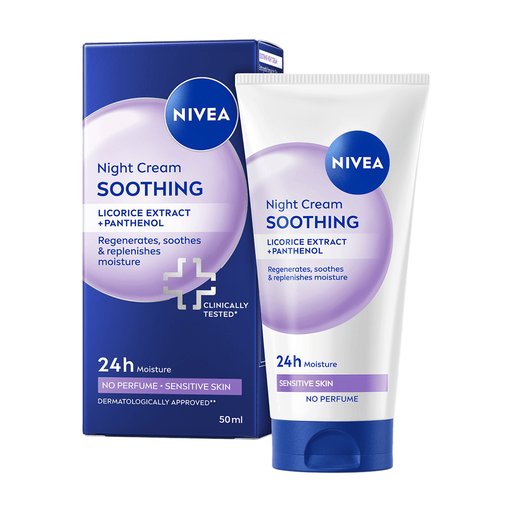
Why it suits this profile: This 50 ml fragrance-free night cream has a straightforward formula, making it suitable for anyone looking for a simple evening routine.
The product description states that it has a fragrance-free, pH-neutral formula. Check the current packaging when buying.
50 ml; contains glycerine, panthenol, liquorice extract and grapeseed oil; intended for evening use.

Why it suits this profile: The lightweight gel cream is suitable for daily morning and evening use, as well as for anyone who dislikes a greasy layer.
The gel texture helps avoid choosing a heavy cream for oily or blemish-prone skin. Stop using it if irritation occurs.
100 ml; according to the product list, contains 77% oat seed water, squalane, panthenol and beta-glucan.
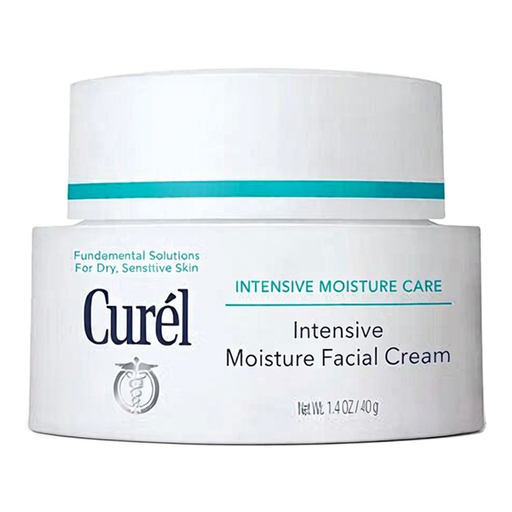
Why it suits this profile: This 40 g cream is designed for dry, sensitive skin and is suitable for anyone looking for a compact, nourishing moisturiser.
The formula is not based solely on a trendy active ingredient: the product list includes glycerine, dimethicones and allantoin, among others.
40 g; developed for dry, sensitive skin; according to the product information, contains ceramide-supporting skincare technology.
We have put together a complete, up-to-date list of products that fully meet these strict selection criteria and the applicable European safety regulations.
Look for a formula containing glycerine, panthenol, ceramides, hyaluronic acid or soothing oils. A richer cream may feel more comfortable when your skin is dry, while a gel cream feels lighter. Fragrance-free is a useful starting point, but always check the full ingredients list.
Yes, but the texture determines how well it works. A lightweight gel cream will generally absorb more quickly, making it more practical under make-up. Wait a little after applying it before using sun protection or make-up. Test a new product on a small area first.
Follow the expiry information on the packaging, such as the use-by date or the period after opening. Store the cream in a cool, dry place away from direct sunlight, and close the packaging after use. Has the scent, colour or texture changed? Do not use the product. If you have sensitive skin, also keep track of when irritation occurs and stop using the product if symptoms persist.
