
Vandaag of morgen in huis

Kwaliteit gegarandeerd

Welkomstaanbiedingen ontgrendelen: GRATIS bezorging | Tot 80% korting | Gratis 30 dagen JoyPlus-proefperiode
Download de app
Sensitive skin can feel tight, dry, red or unsettled. The right soothing face cream for sensitive skin should therefore feel comfortable, provide sufficient hydration and suit your skin type. However, comparing products is not always straightforward. A product with words such as “repair”, “soothing” or “barrier care” on the packaging is not automatically suitable for every sensitive skin type.
Always check the full ingredients list, texture and when to use the product. Below, you’ll discover which pitfalls often lead to disappointing purchases, which specifications matter and which popular options may suit different user profiles.
A cream can contain centella asiatica, chamomile or panthenol and still contain fragrance or fragrance allergens. This is important if your skin reacts quickly to fragrances. Always check whether terms such as Parfum, limonene, linalool, geraniol or citronellol appear in the ingredients list.
A fragrance-free face cream is not essential for everyone, but it can be a practical choice if you want to keep your routine as simple as possible.
A restorative face cream with shea butter, oils and a rich texture can feel pleasant on dry skin. On oily skin, however, this type of formula can feel heavy or create unwanted shine. A gel cream for oily skin usually spreads more lightly and is often absorbed more quickly.
So don’t just look for “intensive hydration”. Consider the product texture and the skin type it is designed for too.
Brands sometimes quote percentages relating to redness, hydration or the skin barrier. According to the relevant brand’s own research, such results may have been measured under specific conditions, for example with a limited number of participants or through self-assessment. Don’t treat this as a guarantee for your skin.
For example, a claim such as “48-hour hydration” in a product description refers to a stated test or brand communication. Your skin type, climate, cleanser and other skincare products all affect your experience.
A hydrating face cream often contains humectants such as glycerine, butylene glycol, panthenol or hyaluronic acid. These ingredients help attract moisture and contribute to a comfortable feel on the skin. To support the skin barrier, you may see ingredients such as ceramide NP, cholesterol, fatty acids, shea butter and squalane.
Centella asiatica is often used in a cica cream or Korean skincare cream. Product descriptions associate this ingredient with a soothing feel on the skin. This does not mean that it medically treats skin problems. If irritation persists, stop using the product and seek advice from your GP or a dermatologist.
If your skin is sensitive, it’s best to check first whether a formula is fragrance-free. Also look out for alcohol in the ingredients list. “Alcohol-free” does not mean free from every potentially irritating substance, but it may be a relevant selection criterion for some users.
Natural fragrances and essential oils can also cause reactions. A product containing plant extracts is therefore not automatically gentler than a simple synthetic formula.
A day cream with SPF 15 can be convenient for daily use, but SPF 15 does not replace full sun protection during prolonged exposure to sunlight. For morning use, it is also important to know whether the cream works well under sun cream or make-up.
Also check the size: 15 ml is practical for travelling or trying out a formula first, while 50 to 80 ml is better suited to everyday use. Store the cream according to the instructions on the packaging and check its expiry date and period after opening.
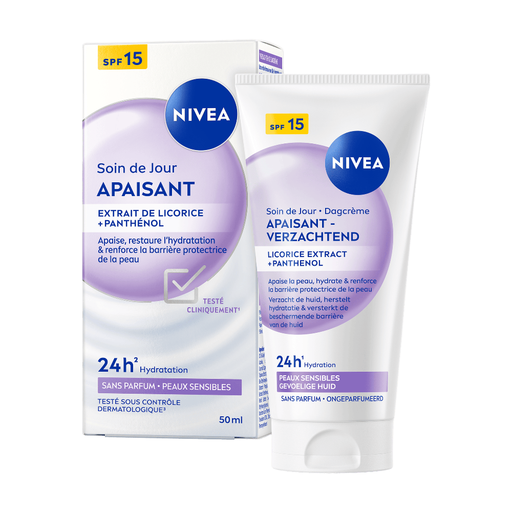
Why it suits this profile: This day cream combines hydration with SPF 15 and, according to the product information, is fragrance-free and pH-neutral. That makes it a straightforward option for anyone looking for a simple morning routine.
The fragrance-free formula means you’re not relying solely on a soothing marketing term. However, always check the current packaging.
50 ml, glycerine and panthenol for hydration, plus SPF 15 for everyday use.
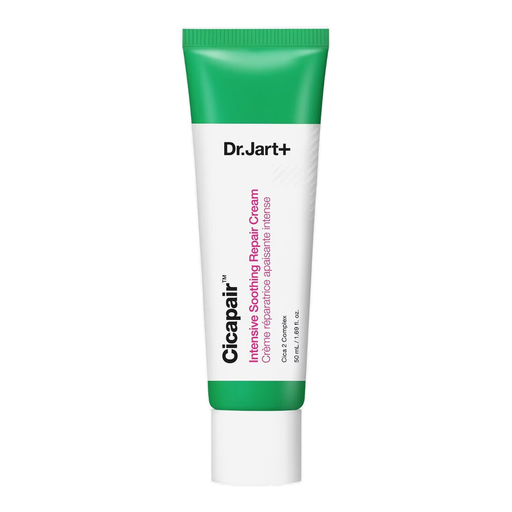
Why it suits this profile: This rich cream contains centella asiatica, niacinamide, glycerine, allantoin and shea butter, among other ingredients. It suits dry or sensitive skin that needs extra comfort and a richer texture.
The ingredients list clearly shows the rich composition, helping you judge whether the formula might feel too heavy for your skin type.
Cica complex, shea butter and ceramide-like skincare ingredients; suitable for morning and evening use according to the product information.
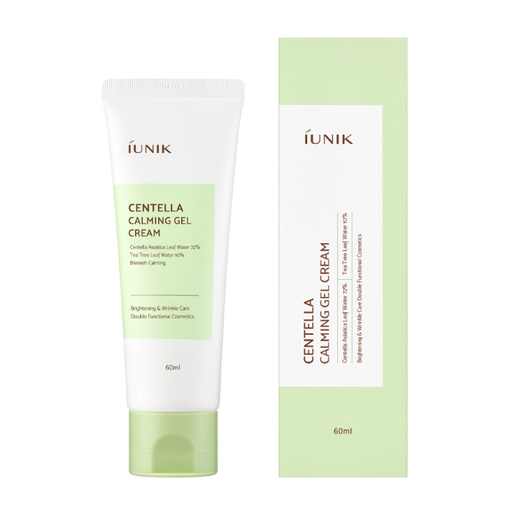
Why it suits this profile: The lightweight gel texture is designed for oily, combination or sensitive skin. The formula contains centella asiatica, tea tree extract, niacinamide and adenosine.
The gel cream helps you avoid choosing a heavy cream for skin that becomes shiny easily. If your skin is highly reactive, always check the full ingredients list first.
Lightweight, non-sticky texture; according to the product information, free from parabens and synthetic fragrances.
We’ve put together a complete, up-to-date list of products that fully meet these strict selection criteria and the applicable European safety regulations.
Choose a cream with a short, easy-to-understand ingredients list and look out for fragrance and essential oils. Centella asiatica, panthenol, glycerine and ceramides are often found in formulas designed to provide a comfortable feel on the skin and support the skin barrier. Redness can have various causes; a cream is not a treatment for a medical condition.
It can be, but texture is important. A gel cream with centella asiatica is generally lighter than a rich restorative face cream containing lots of butters and oils. Also monitor how your skin responds and introduce it gradually.
Follow the expiry date and the open-jar symbol indicating the period after opening on the packaging. Store the cream somewhere cool and dry, away from direct sunlight. If its smell, colour or texture changes, stop using the product. If you have sensitive skin, testing a new cream on a small area first is a sensible step.
