
Vandaag of morgen in huis

Kwaliteit gegarandeerd

Welkomstaanbiedingen ontgrendelen: GRATIS bezorging | Tot 80% korting | Gratis 30 dagen JoyPlus-proefperiode
Download de app
A soothing cream for sensitive skin needs to do more than simply feel pleasant. With dry, red or easily reactive skin, ingredients, fragrance, texture and area of use all play an important role. For example, a face cream that is light enough for daytime may not be rich enough for dry patches on the body.
Marketing can sometimes make choosing more difficult. Words such as “intensive”, “repairing” and “clinically tested” only mean something when you also check the product information and instructions for use. Below, you’ll find what to look out for and which popular choices suit different skin needs.
A cream containing lots of plant extracts or active ingredients is not automatically suitable for sensitive skin. Above all, check whether it contains fragrance, fragrance allergens or drying types of alcohol. “Natural” does not mean that an ingredient is gentle for everyone.
If your skin is sensitive to fragrances, it may be better to start with a fragrance-free cream. Make sure you check the full ingredients list rather than just the front of the packaging.
Claims about reducing redness, strengthening the skin barrier or providing long-lasting hydration need to be considered in context. According to a brand’s own research, for example, results may be based on a limited number of participants, a self-assessment or an instrumental measurement.
That does not make the information worthless, but the result will not automatically be the same for everyone. Choose based on verifiable features such as ingredients, quantity, SPF, fragrance status and intended use.
A lightweight gel cream can feel comfortable on oily or combination skin, but may not provide enough comfort for flaky areas. A rich cream, on the other hand, can feel heavy on shiny skin or underneath make-up.
First decide whether you are looking for a soothing face cream, a product for dry areas of the body or an intensive skincare product for specific areas.
For dry or tight-feeling skin, common ingredients include glycerine, panthenol, shea butter, oils and hyaluronic acid. Glycerine helps attract moisture, while richer ingredients can make the skin feel more comfortable.
A barrier-repairing cream often contains ceramides, cholesterol or similar lipids. These ingredients may suit skin that feels dry or reacts more easily, but their presence does not guarantee a specific personal result.
Fragrance-free formulas are a logical choice if your skin reacts quickly to fragrances. Also check whether a product is intended for the face, body or both. A product may be described as gentle but still contain an ingredient that you personally are sensitive to.
If in doubt, test a small amount on a limited area of skin first and follow the warnings on the packaging. Stop using the product if you experience persistent irritation, redness, swelling or a burning sensation.
A day cream with SPF can be convenient, but SPF 15 or SPF 30 does not always replace a separate sunscreen, particularly during prolonged sun exposure. For sensitive skin, it is also sensible to introduce new products into your routine gradually.
Centella asiatica, also known as cica, is often found in formulas designed to provide a comfortable skin feel. A centella asiatica cream or cica cream may be worth considering if you are specifically looking for this ingredient. However, check the complete formula, as one popular ingredient does not determine the product’s overall suitability.
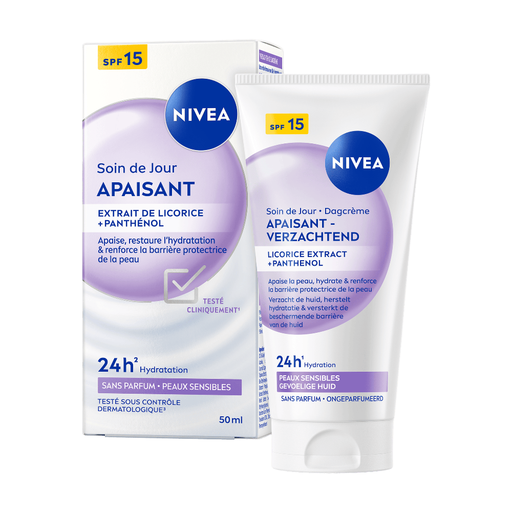
Why it suits this profile: A straightforward day cream for anyone looking for daily hydration and light sun protection in one product.
The product description states that it has a fragrance-free, pH-neutral formula. Always check the current packaging yourself.
50 ml, with glycerine and panthenol in the formula, plus SPF 15 for daytime use.
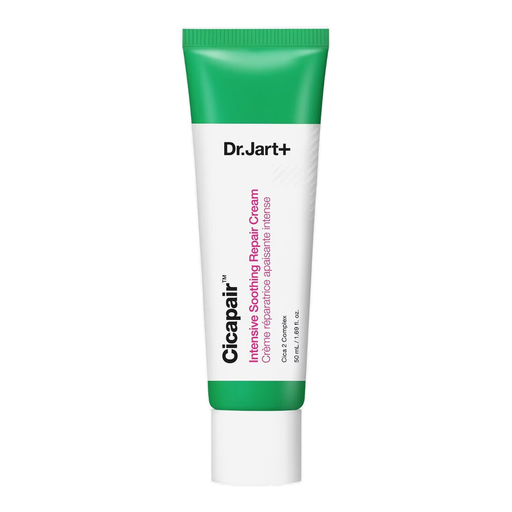
Why it suits this profile: A face cream containing centella asiatica, with a richer skincare focus for users who want a more comprehensive routine.
The ingredients list is available, allowing you to check ingredients including shea butter, niacinamide, glycerine and centella asiatica. The formula also contains colourants.
50 ml, designed for the face, with a cica complex, panthenol and several soothing skincare ingredients.
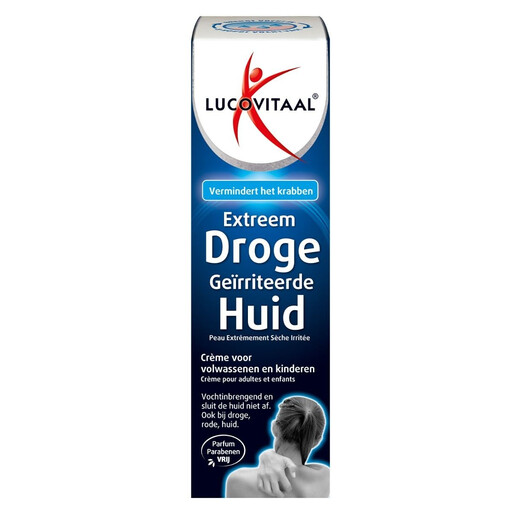
Why it suits this profile: Designed for dry, irritated and cracked skin in adults and children, making it potentially suitable for a household with several users.
The area of use and instructions are clearly described. According to the product information, the formula is fragrance-free; if you have allergies, check the listed allergens.
Contains glycerine, panthenol, allantoin, shea butter, sodium hyaluronate and ceramide NP, among other ingredients.
We have put together a complete, up-to-date list of products that fully meet these strict selection criteria and the applicable European safety regulations.
If symptoms persist or are severe, or if you experience swelling, pain or damaged skin, it is wiser to seek advice from your GP or a dermatologist than to keep switching between creams yourself. A cosmetic cream is not a substitute for medical guidance.
That depends on the cause and your personal sensitivities. A cream for redness with a fragrance-free formula and ingredients such as panthenol, glycerine, ceramides or centella asiatica may suit a comfortable daily routine. Always check the full ingredients list and stop using the product if irritation occurs.
No. Being fragrance-free reduces the likelihood of a reaction to fragrances, but other ingredients may still not be well tolerated. Therefore, test a small amount and follow the product’s safety instructions.
Check the expiry date and the period-after-opening symbol on the packaging. Close the packaging securely and do not store it in direct sunlight or where there are significant temperature fluctuations. If the smell, colour or texture changes, stop using the product.
