
Vandaag of morgen in huis

Kwaliteit gegarandeerd

Welkomstaanbiedingen ontgrendelen: GRATIS bezorging | Tot 80% korting | Gratis 30 dagen JoyPlus-proefperiode
Download de app
A soothing gel for irritated skin can feel comforting when your skin feels dry, red, tight or sensitive. However, not every gel is the same. A lightweight face cream, cooling body gel, gel mask and shaving gel each serve a different purpose. If you only rely on words such as “calming”, “repair” or “cooling”, you risk buying a product that is not suited to your skin or intended use.
Pay attention to the formula, area of application and directions for use. Below, we outline the most common pitfalls, key checks and a selection of popular options for different types of user.
Menthol and other cooling ingredients can feel refreshing for a while. That does not automatically mean that a product is suitable for sensitive skin. Check whether the gel also contains hydrating ingredients, such as glycerine, hyaluronic acid, panthenol or squalane. Perfume and essential oils may be less suitable for skin that reacts easily.
A gel for sensitive skin may have been specially developed for the face, while a product for dry areas of the body provides a richer protective layer. Vaseline, for example, is a petroleum jelly rather than a lightweight face gel. Shaving gel has a different purpose again: making shaving easier and reducing friction during your routine.
Marketing claims provide an initial impression, but the full ingredients list tells you more. Look out for potential allergens and ingredients that you have reacted to in the past. According to HeltiQ’s product information, the Soothing Cooling Gel and Zemelen Gel contain oat ingredients; the manufacturer also includes warnings for people with an oat or gluten allergy or intolerance.
Stop using the product if you experience irritation, burning, swelling or persistent symptoms. Do not use cosmetic gels on open or damaged skin when the packaging advises against it, and consult a doctor if skin problems persist.
A hydrating gel or soothing gel cream is usually lightweight and absorbs more quickly than an ointment. This can be useful during the day, underneath sun cream or for combination skin. A thicker protective formula is more suitable for rough, chapped areas or cold, dry conditions.
Check the following before buying:
Ingredients such as centella asiatica, aloe vera, oat extract, chamomile, calendula and panthenol are often mentioned for a gel for redness or a soothing gel. According to the brands’ own product information, these ingredients may help to make the skin feel more comfortable. Treat such brand claims as product information rather than a guaranteed result.
Examples of specifications you can check:
Always read the label and warnings. Check the shelf life, the period after opening and the storage conditions. A tube is practical for hygienic dispensing and taking with you; a jar may come into greater contact with hands and air when used frequently.
If you have sensitive skin, first test a small amount on a limited area of skin. This is not a substitute for medical advice, but it can help you notice a personal reaction in good time.
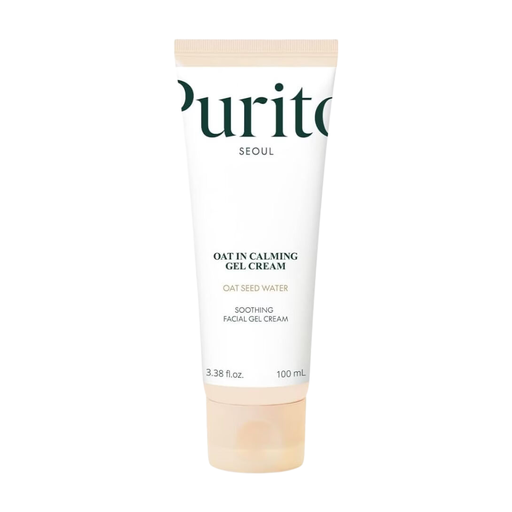
Why it suits this profile: A 100 ml daily gel cream for anyone looking for a lightweight formula for their morning and evening routine, without a heavy or greasy feel.
The product information lists specific ingredients and daily use, rather than making only a general claim about cooling.
77% oat seed water according to the brand description, plus panthenol, squalane and beta-glucan; suitable for everyday use.
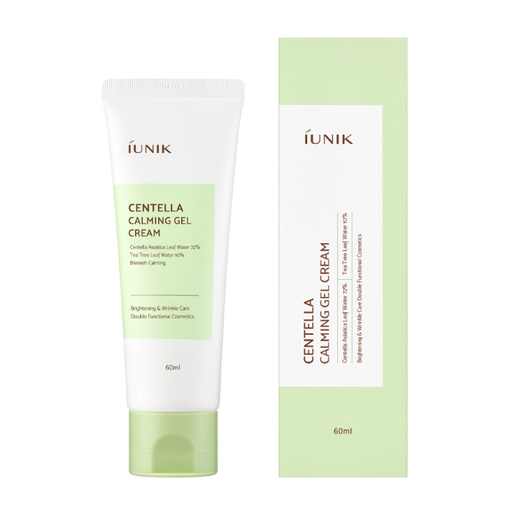
Why it suits this profile: Ideal for users looking for a lightweight centella gel for oily, combination, sensitive or blemish-prone skin.
The gel cream is clearly positioned for facial use and, according to the product information, contains centella, tea tree, niacinamide and adenosine.
60 ml, fast-absorbing gel texture and six sprout extracts according to the brand description.
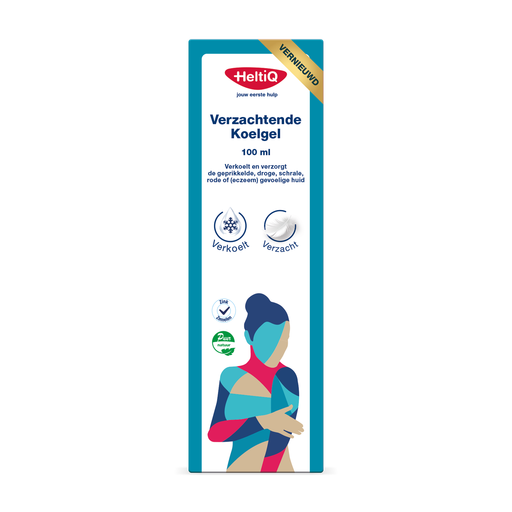
Why it suits this profile: Useful for families looking for a gel for dry, red or irritated skin for adults and children from four weeks old, according to the product information.
The area of application, target users and warning about oat and gluten allergies are clearly stated.
Alcohol-free formula, 100 ml tube and the option to store the gel chilled for a fresher-feeling skin sensation.
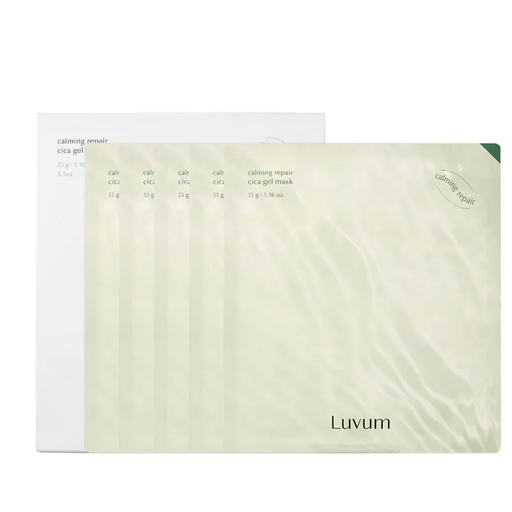
Why it suits this profile: Suitable for anyone wanting to add a more intensive skincare step to their facial routine several times a week.
The pack contains five individual masks, and the instructions clearly state an application time of 15 to 20 minutes, two to three times a week.
Gel mask with centella asiatica extract, hyaluronic acid and glycerine; according to the description, the gel texture fits closely to the skin.
We have compiled a complete, up-to-date list of products that fully meet these strict selection criteria and the applicable European safety regulations.
Apply a face gel to cleansed skin according to the instructions on the packaging. A gel cream can usually be used before sun cream. Leave a mask on for the stated amount of time, then remove it. Avoid the eye area and do not use more product than necessary.
This varies from product to product. Check the open-jar symbol, expiry date and packaging. Store the gel as directed, for example sealed, in a dry place and away from direct sunlight. A change in smell, colour or texture is a reason to stop using the product.
That depends on the ingredients and the cause of the discomfort. A gel may provide a temporarily comfortable or cooling sensation, but it is not a treatment for a medical condition. Check for allergens, follow the warnings and contact a doctor if symptoms persist, worsen or are accompanied by swelling.
