
Vandaag of morgen in huis

Kwaliteit gegarandeerd

Welkomstaanbiedingen ontgrendelen: GRATIS bezorging | Tot 80% korting | Gratis 30 dagen JoyPlus-proefperiode
Download de app
A soothing face mask can feel comforting when your skin feels tight, red or unsettled. However, it is not wise to rely solely on words such as “soothing”, “repairing” or “natural”. The formula, ease of use and ingredients list determine whether a mask is right for your routine.
There are several common pitfalls, particularly if you have sensitive, oily or blemish-prone skin. By checking a few details beforehand, you can avoid buying a product that feels too strong, is awkward to use or ends up sitting in the cupboard after just one application.
A mask containing lots of plant extracts may sound appealing, but more ingredients also mean more potential irritants. Tea tree, bergamot oil, mint-like ingredients and fragrance may be less suitable if your skin reacts easily. Always check the full ingredients list rather than just the front of the packaging.
Also look out for active ingredients such as salicylic acid or PHA. These are often chosen for oily or blemish-prone skin, but they are not the same as a simple hydrating face mask.
Centella, green tea, matcha and heartleaf are widely used in Korean skincare. According to product and brand information, these ingredients are often selected to create a caring or soothing sensation on the skin. That does not mean every skin type will react to them in the same way. A natural extract can also cause sensitivity.
Always test a new product on a small area of skin first. Stop using it if you experience burning, itching, swelling or persistent redness, and follow the safety information on the packaging.
A sheet mask for sensitive skin is quick to apply, but it is usually designed for single use. A modelling mask requires mixing and removal. A toner pad is more convenient for regular use, but it is stored in a pot that must be kept tightly closed.
Think about when you will use it: do you want a relaxing skincare moment once a week, or are you looking for a product that you can easily use after cleansing?
Check the amount per pack. An individual sachet, such as 21 to 28 ml, is suitable for trying a product first. A box containing 5 or 10 masks is more practical once you know the formula suits you. Pads containing 70 pieces are mainly intended for regular use.
For many sheet masks, the recommended application time is around 10 to 20 minutes. Leaving one on for longer is not automatically better. Follow the manufacturer's instructions and remove the mask when it starts to dry.
For a hydrating face mask, glycerine, panthenol, hyaluronic acid and allantoin are some of the relevant ingredients to check on the label. If you are mainly looking for a face mask for redness, you can look for centella, heartleaf or green tea, but their effects should not be considered guaranteed.
According to the product description, the SKIN1004 Tea-Trica formula contains, among other ingredients, tea tree, centella, niacinamide, panthenol and allantoin. The variant also contains salicylic acid and therefore mentions, among other things, a patch test and sun protection during use. This makes it important to match the formula to your own routine.
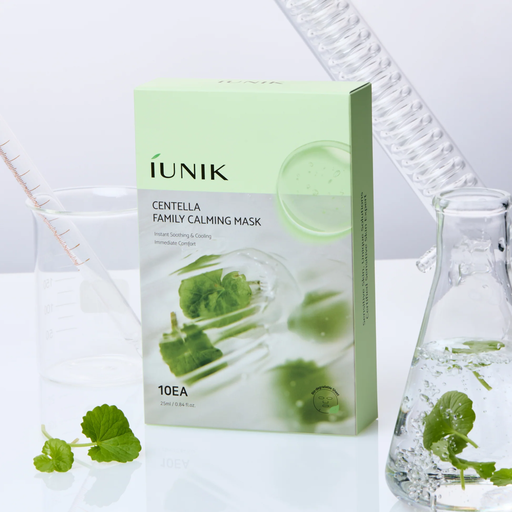
Why it suits this profile: The pack contains 10 sheet masks of 25 ml, giving you several applications for a consistent skincare routine.
It is easy to use: leave it on for 10–20 minutes, then gently pat in the remaining essence. There is no need for a mixing bowl or rinsing step.
10 pieces per pack, made in South Korea, with clear instructions based on the product information.
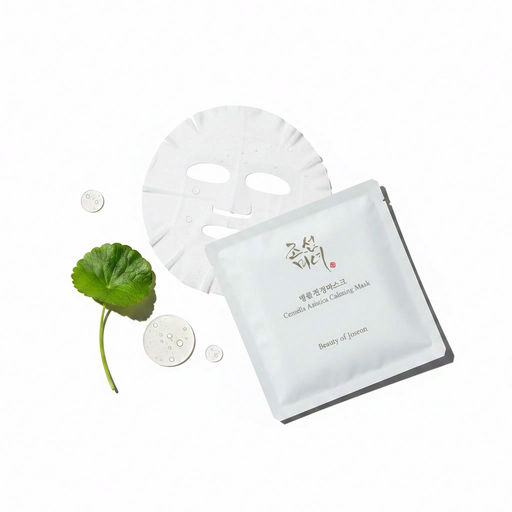
Why it suits this profile: According to the product description, this sheet mask combines centella, three types of hyaluronic acid and a thin Tencel layer.
The specifications mention both the material and the key hydrating ingredients. You do not have to rely solely on the word “soothing”.
10 masks of 25 ml, a Tencel sheet and hyaluronic acid in three molecular sizes, according to the product information.
We have put together a complete, up-to-date list of products that fully meet these strict selection criteria and the applicable European safety regulations.
A face mask for irritated skin should not sting. When your skin is actively reacting, less is often more: choose a simple formula, avoid introducing several new products at once and seek medical advice if symptoms persist. A face mask is not a substitute for treatment of acne or a skin condition.
This depends on the type and ingredients. For example, a hydrating sheet mask can be used once or a few times a week, as stated on the label. Some pads are intended for daily use. Formulas containing BHA or PHA require more caution and careful adherence to the usage instructions.
Centella is often chosen for products designed for sensitive skin, but suitability varies from person to person. Check the full formula for fragrance, essential oils and exfoliating acids. Always test a new centella face mask on a small area of skin first.
A tea tree face mask is often marketed for oily or blemish-prone skin. A hydrating mask focuses mainly on moisture and comfort, and may contain ingredients such as glycerine, panthenol or hyaluronic acid. Check the full ingredients list and choose according to your main skin concern.
