
Vandaag of morgen in huis

Kwaliteit gegarandeerd

Welkomstaanbiedingen ontgrendelen: GRATIS bezorging | Tot 80% korting | Gratis 30 dagen JoyPlus-proefperiode
Download de app
A soothing face cream can feel comforting when your skin feels dry, tight, red or easily irritated. However, not every Korean skincare cream is automatically suitable for sensitive or blemish-prone skin. A rich texture may feel too heavy, while a lightweight gel cream may not provide enough comfort for a weakened skin barrier.
So don’t just look for words such as “soothing”, “repair” or “glow” on the packaging. Pay particular attention to the ingredients list, texture and instructions for use. This helps you avoid buying a product that ends up sitting unused in the bathroom after a few days.
Centella Asiatica, also known as Cica, is found in many K-beauty face creams. A high stated percentage may sound appealing, but it’s the complete formula that determines how a cream feels and which skin types it suits. So also check for fragrance, essential oils, exfoliating acids and other potentially irritating ingredients.
A cream may be described as suitable for all skin types, but your skin can react differently due to fragrances, botanical extracts or a rich oil component, for example. For sensitive skin, a simple fragrance-free formula is often a practical choice. Blemish-prone skin generally benefits more from a non-greasy moisturiser with a lightweight finish.
A cream for sensitive skin can help your skin feel more comfortable and hydrated. However, cosmetic product claims are no guarantee that a skin concern will be resolved. Stop using the product if irritation, swelling, itching or a burning sensation persists, and seek advice from a doctor or dermatologist if necessary.
Look for glycerin, panthenol, hyaluronic acid, beta-glucan, ceramides and nourishing lipids. These ingredients are often found in a hydrating face cream and can help retain moisture or make the skin feel more comfortable.
For a skin barrier repair cream, ceramides, cholesterol, lecithin and panthenol are relevant ingredients to check for. Their presence doesn’t automatically mean that a product will repair damaged skin, but they are suitable for a formula focused on moisture retention and care.
According to a brand’s own research, certain products may improve redness or barrier function. Use such figures as additional information, not as a guarantee for your skin. Always check the complete ingredients list, expiry information and warnings on the packaging. Cosmetics sold in Europe must include mandatory information such as ingredients, the responsible party and usage warnings.
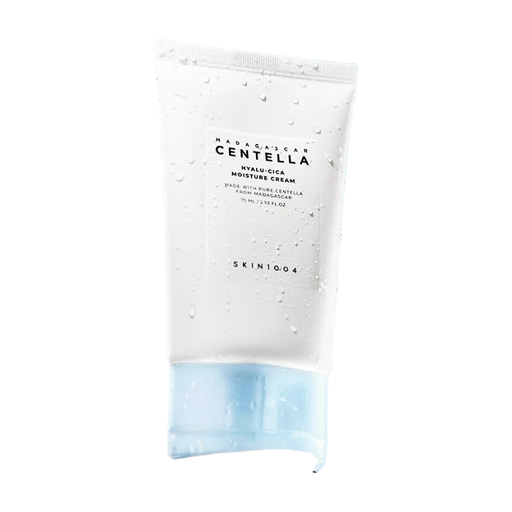
Why it suits this profile: The combination of glycerin, niacinamide, Centella Asiatica and several forms of hyaluronic acid is suitable for daily hydration without having to opt for a heavy cream straight away.
The ingredients list reveals more than just the name Hyalu-Cica. Always check the current packaging if your skin is sensitive to plant extracts.
75 ml capacity, hydrating ingredients and Centella Asiatica extract according to the product information.
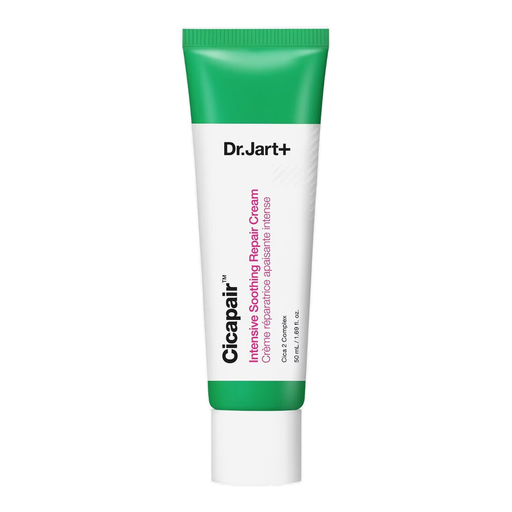
Why it suits this profile: This richer cream contains Centella Asiatica, niacinamide, glycerin, allantoin and shea butter, among other ingredients. It’s an appealing option if you’re looking for more comfort than a watery gel texture can provide.
The product description states that it has a non-sticky, non-greasy finish. If you have oily skin, it’s still sensible to start with a small amount.
50 ml tube, Cica complex and use in the morning and evening according to the product information.
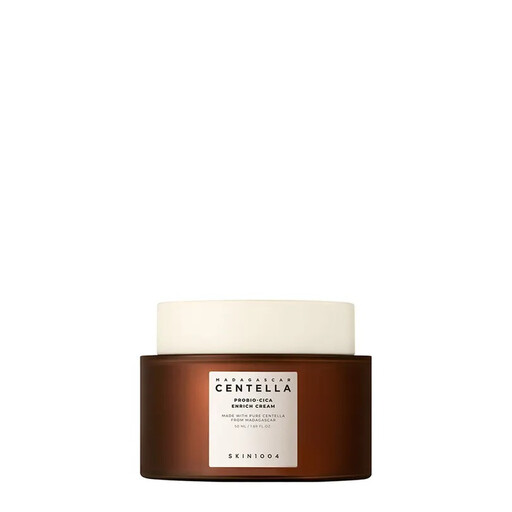
Why it suits this profile: The description focuses on dry and dehydrated skin and mentions Probio-Cica, TECA and Ceramide NP. The richer formula is particularly suitable for an evening routine or cold, dry weather.
This choice is based on the stated barrier-supporting ingredients and texture, not just the term Cica. On oily skin, this cream may feel too nourishing.
50 ml, Ceramide NP according to the product description and a formula for dry, dehydrated skin.
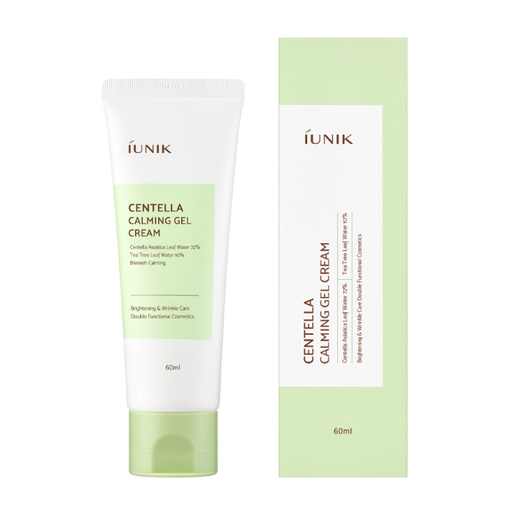
Why it suits this profile: The lightweight gel texture is designed for oily, combination, sensitive and blemish-prone skin types. It’s a practical option for daytime use, under sunscreen or make-up.
According to the product description, the gel cream absorbs quickly without feeling heavy or greasy. However, the formula does contain Tea Tree, so check your tolerance beforehand.
60 ml, Centella Asiatica, niacinamide and a fast-absorbing gel texture according to the product information.
Apply the cream as the final step in your skincare routine, after cleansing and, if applicable, applying a serum. Start with a small amount. During the day, apply sunscreen as the final step. If you’re using several new products, introduce them one at a time. This makes it easier to see which product causes a reaction.
With a cream for redness or a Cica cream, patch testing is advisable, particularly if the formula contains essential oils, Tea Tree, acids or numerous plant extracts. Even if a product feels comfortable, you don’t need to apply it daily to an irritated area unless the packaging recommends doing so.
We’ve compiled a complete, up-to-date list of products that fully meet these strict selection criteria and the applicable European safety regulations.
A lightweight gel cream or non-greasy moisturiser is usually the best choice. Also check whether the formula is described as suitable for oily or blemish-prone skin. A rich cream containing plenty of butter and oils may feel comforting on dry skin but can feel heavy on oilier skin.
Many moisturisers are designed for daily use in the morning and evening. Always follow the label and, if you have sensitive skin, start by using it once a day. Stop if you experience irritation, redness, itching or swelling. Products containing AHA, BHA, PHA or essential oils require extra attention to tolerance and sun protection.
The shelf life is stated on the packaging, sometimes as a date and sometimes as a period-after-opening symbol. Make a note of when you open the tube or jar, and store the cream somewhere cool and dry, away from direct sunlight. Has the smell, colour or texture changed? Don’t use the product, even if the stated shelf life has not yet expired.
