
Vandaag of morgen in huis

Kwaliteit gegarandeerd

Welkomstaanbiedingen ontgrendelen: GRATIS bezorging | Tot 80% korting | Gratis 30 dagen JoyPlus-proefperiode
Download de app
A soothing face cream can feel comforting when your skin feels dry or tight, is prone to redness or is easily irritated. However, packaging featuring terms such as “soothing”, “barrier care” or “repair” does not tell you everything. The formula, texture and ingredients list determine whether a cream fits into your daily routine.
Some products for sensitive skin contain fragrance, essential oils or fragrance allergens. For example, Dear, Klairs Rich Moist Soothing Cream lists lemon, lavender, orange, geranium, ylang ylang and eucalyptus oils. According to the product information, these ingredients may cause an allergic reaction in people who are sensitive to them.
Always check the full ingredients list. Look out for fragrance/parfum, essential oils and known fragrance substances such as limonene, linalool, citral and geraniol. A fragrance-free option may be the more sensible choice if your skin reacts easily.
A lightweight gel cream feels pleasant on oily or combination skin, but may not provide enough protection for dry skin. A richer cream containing ingredients such as shea butter, jojoba oil, squalane or ceramides may be better suited to skin that feels tight.
Also consider the season. In a centrally heated home or during cold, windy weather, a moisturising face cream with a more protective feel may be more practical than a watery gel.
Terms such as “24-hour hydration”, “repair” and “reduces redness” depend on the product formula, how often you use it and the condition of your skin. A brand may quote certain results based on its own research or tests, but that does not automatically mean everyone can expect them.
Think of a cream as a cosmetic product that moisturises the skin and can help it feel comfortable. If you experience persistent redness, itching, swelling or a skin condition, it is wiser to seek advice from a doctor or dermatologist than to repeatedly try a new product.
A good base often combines humectants with emollient ingredients:
A moisturising face cream is generally most comfortable when applied to slightly damp skin, for example after cleansing and, if desired, applying a serum.
If you want to restore the skin barrier in a cosmetic sense, look for ceramide NP, other ceramides, lecithin, cholesterol, fatty acids and phytosphingosine. These substances are found in various barrier-focused formulas.
Anua 3 Ceramide Panthenol Moisture Barrier Cream contains panthenol, ceramide NP, ceramide EOP, phytosterols, squalane and centella extract, among other ingredients. You can check the composition in the product information; individual experiences of richness and absorption may vary.
Choose a texture you will want to use every day:
Apply a small amount as the final step in your routine. If you have sensitive skin, do not introduce several new products at the same time. This makes it easier to identify which product feels comfortable and which one may be causing irritation.
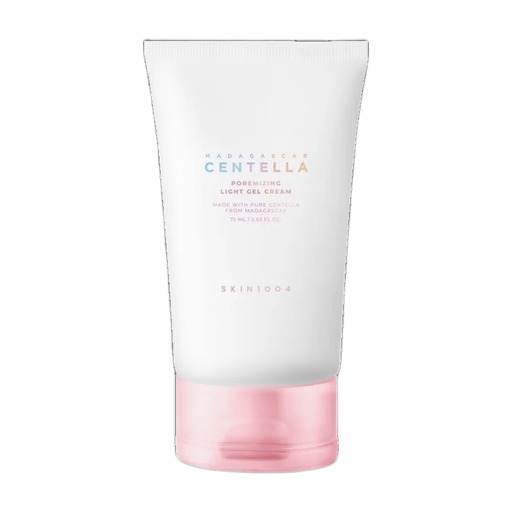
Why it suits this profile: The gel cream texture is practical if you are looking for a simple, lightweight routine and do not want a heavy layer on your skin.
The ingredients list makes the choice easy to assess: the formula contains glycerine, panthenol, centella extract and several forms of hyaluronic acid, among other ingredients. The lightweight texture helps prevent you from automatically choosing a cream that is too rich.
75ml; gel cream with centella, panthenol and hyaluronic acid; suitable for use as the final step in your routine.

Why it suits this profile: This option is well suited to anyone who focuses on barrier-supporting ingredients and is looking for a larger pack for everyday use.
The formula is not based on a claim alone: the product information specifically lists panthenol, three ceramide variants, squalane, centella and hyaluronic acid. Check the packaging if you want to avoid fragrance or specific ingredients.
100ml; ceramide NP, EOP and AP; also contains panthenol, centella, ectoin and hyaluronic acid according to the ingredients list.
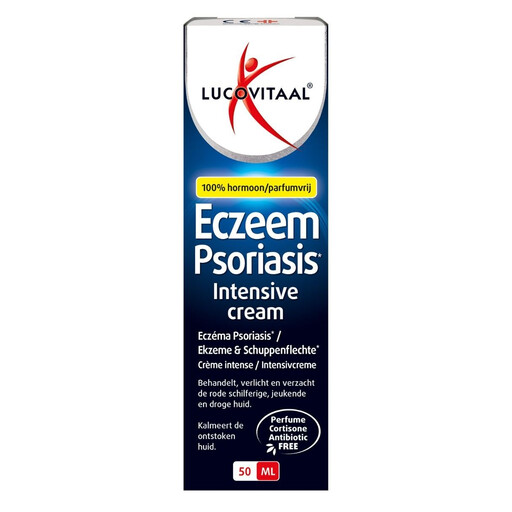
Why it suits this profile: This option is intended for adults looking for a targeted product for eczema- or psoriasis-related skincare and who want to follow the package leaflet.
The product is offered as a medical device and has a specific application. Do not use it as a general moisturiser without reading the instructions for use.
50ml; fragrance-free according to the product information; contains DDS5 minerals and MDS17; read the enclosed instructions before use.
We have put together a complete, up-to-date list of products that fully meet these strict selection criteria and the applicable European safety regulations.
A cica cream or Centella Asiatica cream may be worth considering if you are looking for a formula containing centella. However, always check the full composition: “cica” does not mean that every product contains the same ingredients or has the same texture. A ceramide cream may also feel rich or lightweight, depending on the oils, silicones and emollients in the formula.
A lightweight gel cream with humectants such as glycerine and hyaluronic acid often feels less heavy. You could consider a formula such as the SKIN1004 Poremizing Light Gel Cream or iUNIK Centella Calming Gel Cream. Always check whether fragrance, tea tree or other plant extracts are suitable for your skin.
According to the product information, most creams can be used once or twice a day. If you have sensitive skin, start with once a day and a small amount. Stop using the product if irritation persists and follow any warnings on the packaging.
The shelf life is stated on the packaging. Store the cream in a cool, dry place away from direct sunlight, and close the jar or tube securely. If the scent, colour or consistency changes noticeably, stop using the product. A pump dispenser or tube generally limits direct contact with air and fingers, but the stated shelf life remains the deciding factor.
