
Vandaag of morgen in huis

Kwaliteit gegarandeerd

Welkomstaanbiedingen ontgrendelen: GRATIS bezorging | Tot 80% korting | Gratis 30 dagen JoyPlus-proefperiode
Download de app
A soothing face cream for sensitive skin should feel comfortable, provide enough hydration and suit your skin type. Yet it can be tricky to see past marketing terms like “calming”, “barrier repair” and “glow”. A light gel cream, for example, might not be enough for dry skin, while a rich cream can feel heavy on oily or acne-prone skin.
With this practical guide, you can focus on ingredients, texture and when you’ll use it. That way, you avoid paying for a nice promise that doesn’t fit your daily routine.
A product with a high percentage of oat, Centella Asiatica or Heartleaf sounds appealing. However, the percentage alone doesn’t automatically tell you how the full formula will feel or whether it suits your skin. So also look at the rest of the ingredients list, such as glycerine, panthenol, squalane, ceramides and any potential fragrances.
Sensitivity varies from person to person. A fragrance-free face cream may feel comfortable for one user, while another reacts to a specific plant extract or essential oil. Always check the current ingredients on the packaging. If you have a known allergy, extra caution is especially important.
Brands may claim, based on their own research or product description, that their formula helps reduce redness or irritation. That’s not a universal guarantee. Cosmetics can make the skin feel more comfortable and help retain moisture, but persistent or severe skin concerns require advice from a doctor or dermatologist.
A gel cream for sensitive skin often contains plenty of water-binding ingredients and feels light. This usually suits oily, combination or acne-prone skin, especially under sunscreen or make-up. A richer cream with shea butter, oils, squalane or ceramides may be more logical for dry skin or a tight feeling.
Also pay attention to the usage instructions. Some products are intended as the last step in your routine, while others can be applied after a serum and before sunscreen.
The presence of an ingredient doesn’t mean everyone will experience the same result. If you have sensitive skin, start with a small amount and test the product on a limited area first.
If you’re looking specifically for a fragrance-free face cream, it’s a good idea to check the full list of ingredients. Some formulas don’t contain “parfum” but do include fragrant essential oils, such as lavender or orange oil. For oily skin, texture is more important than just the “non-comedogenic” label. A light formula can be more pleasant, but individual reactions are still possible.

Why this fits the profile: According to the product description, this gel cream contains 77% oat kernel water and comes in a 100 ml size. That makes it a straightforward choice for anyone looking for a simple hydrating face cream for daily use.
The product information mentions a light texture with no greasy feel and lists no fragrance among the ingredients.
100 ml size; oat kernel water, glycerine, squalane, panthenol and beta-glucan are listed in the formula.
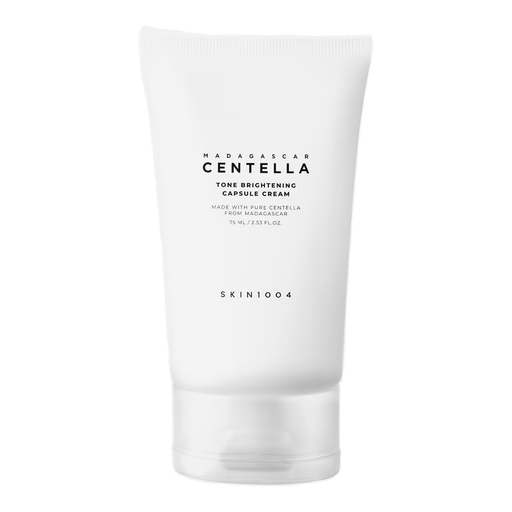
Why this fits the profile: This formula combines a light texture with Centella Asiatica, niacinamide and panthenol. According to the product description, it is vegan, alcohol-free and fragrance-free.
The specifications explicitly state no fragrance and no alcohol, so you can check these points in advance.
75 ml size; 60% Centella Asiatica extract according to the product information; listed as fragrance-free and vegan.
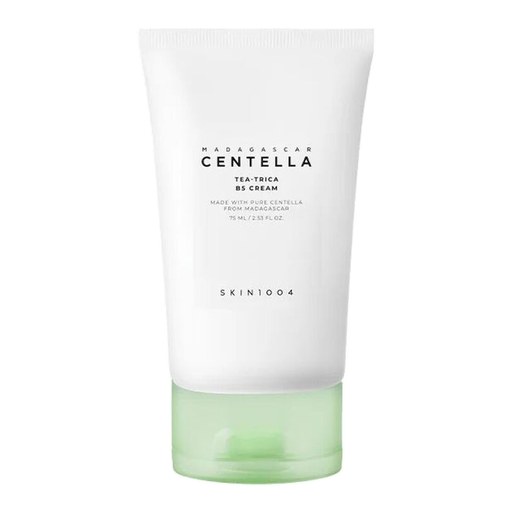
Why this fits the profile: The formula is aimed at oily, combination or blemish-prone skin and contains, according to the product description, tea tree, Centella Asiatica, panthenol and ceramide NP.
The ingredients list clearly shows that tea tree is present; this helps with an informed choice, but if you have sensitive skin, patch testing first is advisable.
Light cream; tea tree oil listed at 300 ppm; ceramide NP, hyaluronic acid and panthenol in the formula.
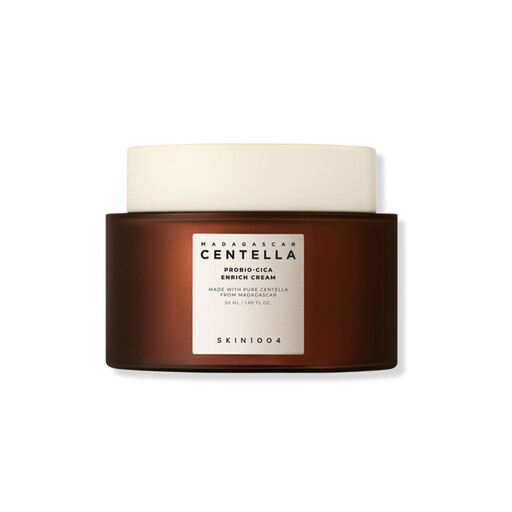
Why this fits the profile: If you’re looking for a fuller cream for dry or sensitive skin, according to the product information, this one contains shea butter, squalane, ceramide NP and plant oils.
The composition is clearly richer than a watery gel, so you don’t have to rely solely on a “light” marketing claim.
50 ml size; ceramide NP, squalane, shea butter and Centella Asiatica listed; according to the product description, vegan.
We’ve put together a full, up-to-date list of products that fully meet these strict selection criteria and comply with current European safety regulations.
Apply the cream to cleansed skin. During the day, follow with sunscreen. Start with a small amount and only add more if your skin needs it. Don’t combine several new active products at once; this way you can better assess how your skin reacts to the cream.
Stop using it if you experience stinging, itching, swelling or obvious irritation. Also avoid applying it to damaged skin and always follow the warnings on the packaging.
A light, non-greasy face cream with glycerine, panthenol, Centella Asiatica or hyaluronic acid can be practical. Also check the full list of ingredients and don’t choose a rich formula if it feels uncomfortable. “Non-comedogenic” is not a personal guarantee; skin reactions vary.
Centella Asiatica is the botanical name of the ingredient that is often referred to as cica in skincare. A Centella Asiatica cream and a cica cream can therefore refer to a similar main ingredient. However, the overall formula, concentration and texture determine how the product feels.
Check the expiry date, batch number and the symbol of an opened jar on the packaging. Store the cream in a cool, dry place away from direct sunlight, and close the packaging properly after use. Has the scent, colour or texture changed? If so, don’t use the product any further.
