
Vandaag of morgen in huis

Kwaliteit gegarandeerd

Welkomstaanbiedingen ontgrendelen: GRATIS bezorging | Tot 80% korting | Gratis 30 dagen JoyPlus-proefperiode
Download de app
A soothing face cream can feel comforting when your skin feels dry, tight, red or sensitive. However, choosing the right product is not always straightforward. A product with words such as “soothing”, “repair” or “barrier” on the packaging will not automatically suit every skin type. The ingredients list, texture and directions for use often provide more useful information than the marketing copy.
More ingredients do not automatically mean that a cream will be better suited to your skin. For example, a cream for sensitive skin may combine moisturising ingredients with fragrances, essential oils or plant extracts that some users may actually find less suitable.
So do not focus only on popular ingredients such as centella, hyaluronic acid or ceramides. Check the full ingredients list too, especially if your skin reacts easily.
A rich cream may be suitable for dry skin, but feel uncomfortable on oily or combination skin. If you are looking for a non-greasy face cream, look out for terms such as gel cream, light cream or quick-absorbing. These descriptions give you an idea of the texture, but they are still product claims. Check the formula and user reviews as well.
A cream for redness is a cosmetic product unless it is clearly labelled as a medical device. Claims about soothing the skin or making it look more even should not be interpreted as treatment for a skin condition. If you experience persistent redness, pain, swelling or damaged skin, it is wiser to seek advice from a doctor or dermatologist.
A moisturising face cream often contains ingredients that attract or help retain water. Examples include:
A skin barrier repair cream is not a guarantee that a skin condition will improve. Look at the specific formula and use the cream according to the label.
A fragrance-free formula can be a practical choice if you are sensitive to fragrance. Check the ingredients list: “fragrance”, parfum and various essential oils may be listed separately.
According to the product information, the Dear, Klairs Rich Moist Soothing Cream contains, among other ingredients, lemon, lavender, orange, geranium, ylang-ylang and eucalyptus oil. The product listing warns that these ingredients and their fragrance allergens may cause an allergic reaction in some users. This does not make the cream unsuitable for everyone, but it does make it a less obvious choice for anyone wishing to avoid fragrances.
Do not compare only the price of a jar or tube; compare the size too. A 15 ml product can be useful for trying a cream first, while 60, 75 or 100 ml may be more appealing for everyday use.
Apply a moisturiser for sensitive skin to clean skin, usually as the final step in your routine. Test a new product on a small area first. Stop using it if you experience clear irritation and always follow the safety information on the packaging.
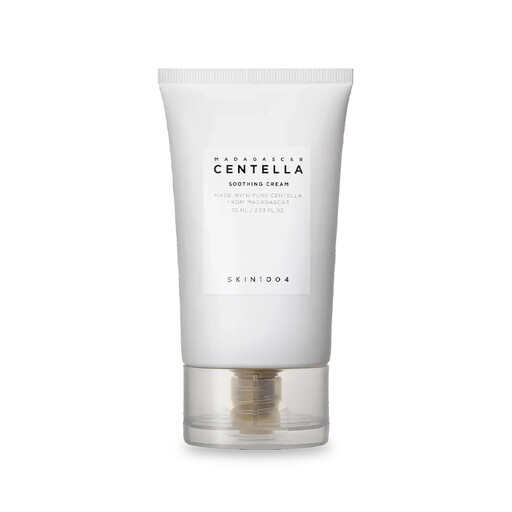
Why it suits this profile: Its 75 ml size and non-greasy, refreshing positioning make it a practical choice for anyone looking for their first centella cream for everyday use.
The product description mentions centella asiatica and ceramide, and indicates a lightweight texture. However, check the current ingredients list before buying.
75 ml; according to the product information, a refreshing and non-greasy formula with 72% centella extract.
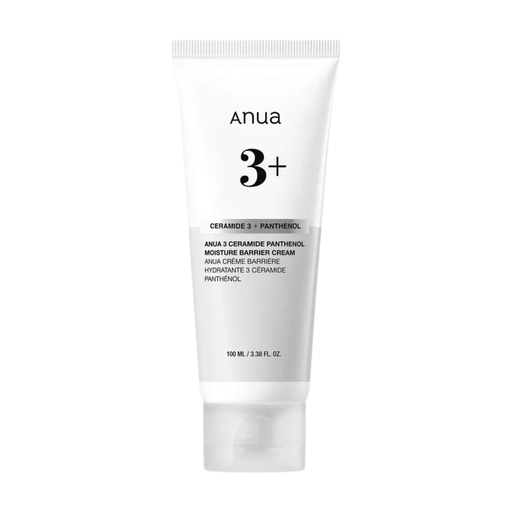
Why it suits this profile: If you are particularly focused on a comprehensive barrier-supporting formula, this product combines ceramides, panthenol, glycerine, hyaluronic acid and squalane in one formula.
The ingredients list is clearly available, so you do not have to rely solely on the term “moisture barrier”. The formula contains no listed fragrance.
100 ml; three listed ceramides, panthenol, centella and hyaluronic acid; according to the product information, tested for sensitive skin.
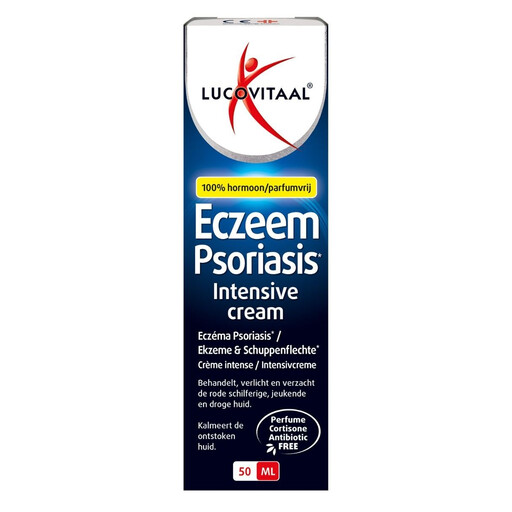
Why it suits this profile: According to the listing, this product is a medical device for adults with eczema or psoriasis and is intended for targeted use on affected skin.
The product category and directions for use are more specific than those of an ordinary cosmetic cream. Read the instructions provided carefully before use.
50 ml; according to the product information, fragrance-free and without cortisone or antibiotics; contains DDS5 and MDS17.
We have put together a complete, up-to-date list of products that fully meet these strict selection criteria and the applicable European safety regulations.
Cleanse your face and apply toner or serum if desired. Then spread a small amount of cream over your face and gently pat or massage it in until absorbed. Use sun protection during the day if it fits into your routine. When trying a new product, it is sensible to test it on a small area of skin first.
Look for a gel cream or lightweight moisturiser for sensitive skin. Ingredients such as glycerine, panthenol, niacinamide or hyaluronic acid can work well as part of a lightweight moisturising routine. At the same time, pay attention to the full formula: a product may feel lightweight but still contain fragrances or other ingredients that your skin does not tolerate well.
Follow the expiry date and batch number on the packaging. Close the jar or tube after use and store the cream in a cool, dry place away from direct sunlight. If the smell, colour or texture changes noticeably, stop using the product. The period after opening is often indicated by the symbol of an opened jar; check the packaging for this information.
