
Vandaag of morgen in huis

Kwaliteit gegarandeerd

Welkomstaanbiedingen ontgrendelen: GRATIS bezorging | Tot 80% korting | Gratis 30 dagen JoyPlus-proefperiode
Download de app
A soothing face cream for sensitive skin needs to do more than simply feel pleasant. If your skin is dry, red, dehydrated or easily irritated, fragrance, essential oils or an overly rich texture can cause discomfort. At the same time, a lightweight gel may not be enough when your skin barrier feels dry and tight.
Face cream descriptions often promise quick soothing, skin repair and long-lasting hydration. These claims won’t necessarily apply to every skin type. So pay close attention to the ingredients list, texture, size and any usage warnings.
A product containing, for example, 70% plant extract isn’t automatically better suited to sensitive skin. The full formula determines how a cream feels and which ingredients may cause irritation. Check the rest of the ingredients list too, and look out for fragrance, essential oils and known allergens.
A repairing face cream or barrier-repairing cream may be designed to lock in moisture and leave your skin feeling more comfortable. That doesn’t mean it treats a skin condition. Claims made by brands about redness, barrier repair or soothing should be read as product information, not as a guaranteed result.
A rich cream can feel lovely on dry skin, but too heavy on oily or acne-prone skin. A gel cream may feel comfortable during the day, but not offer enough protection in winter. Choose a texture to suit your skin type, the season and when you plan to use the cream.
Look for glycerin, panthenol, beta-glucan, hyaluronic acid, ceramides, lecithin and emollient oils. These ingredients have different roles in a formula:
The presence of an ingredient doesn’t guarantee a particular result. The concentration, combination of ingredients and your own skin’s response all matter.
If you’re looking for a fragrance-free face cream, check the ingredients list rather than relying only on the front of the packaging. Anua, for example, states that its Heartleaf Cream is fragrance-free. According to the product information, SKINFOOD Carrot Carotene Relief Cream contains several oils, including lavender, orange and sage oil. Some people may like this, but sensitive skin may respond better to a simpler formula.
A 50 ml pack is common for a face cream; 75 or 80 ml may be better value if you use the product every day. Also check whether the cream is intended as the final step in your routine, whether it’s suitable for morning and evening use, and whether there are any specific warnings.
Try a new cream on a small area of skin first. Stop using it if you experience persistent redness, itching, swelling or a burning sensation. Don’t use a cosmetic product on broken skin unless the packaging specifically says it’s suitable.
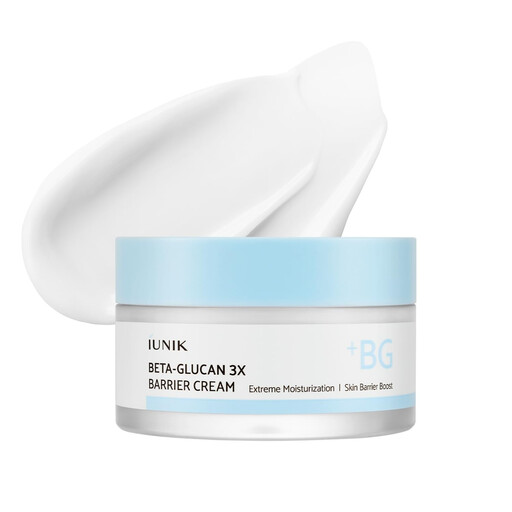
Why it suits this profile: A straightforward option if you’re looking for a daily moisturiser for dry or sensitive skin, with a richer texture that, according to the product information, absorbs quickly.
The product information states that it contains no synthetic fragrance, parabens, sulphates, PEGs or petroleum. Always check the current packaging too.
According to the product description, it contains 10,000 ppm beta-glucan, ectoin and panthenol. Size: 50 ml.
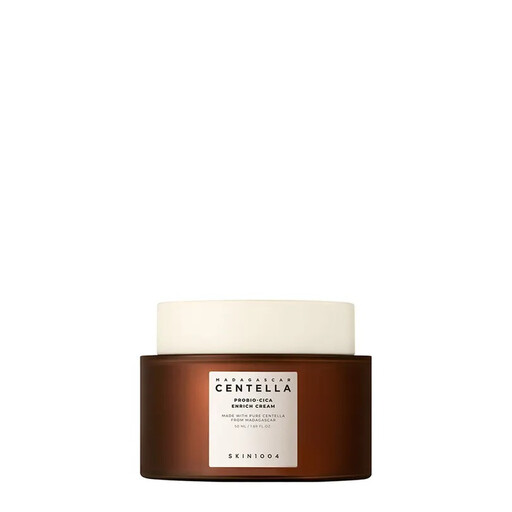
Why it suits this profile: A good fit if you’re looking for a richer cream with centella, ceramide NP and plant oils for dry or dehydrated skin.
The ingredients list makes it clear that this is a nourishing formula, so you can decide whether the texture is right for you before you buy.
According to the product information, it contains ceramide NP, Probio-Cica and fermented Centella asiatica. Size: 50 ml.
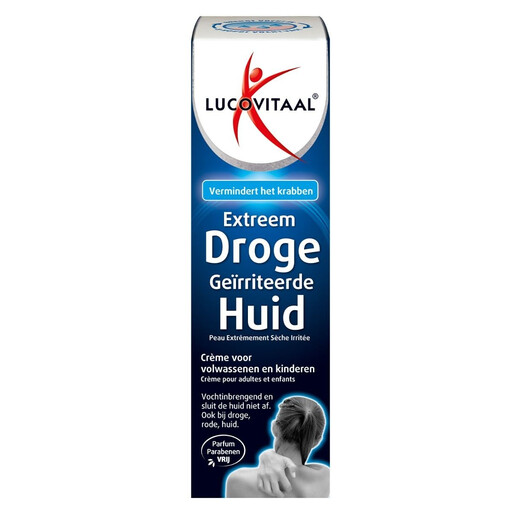
Why it suits this profile: Designed for adults and children with dry, chapped or irritated skin. The product information recommends applying it to dry areas two to three times a day.
The product information states that it is a non-medicated, fragrance-free product. The ingredients list also includes panthenol, allantoin and ceramide NP.
Size: 50 ml. According to the product information, it’s suitable for adults and children, and contains ingredients including olus oil, shea butter and hyaluronic acid.
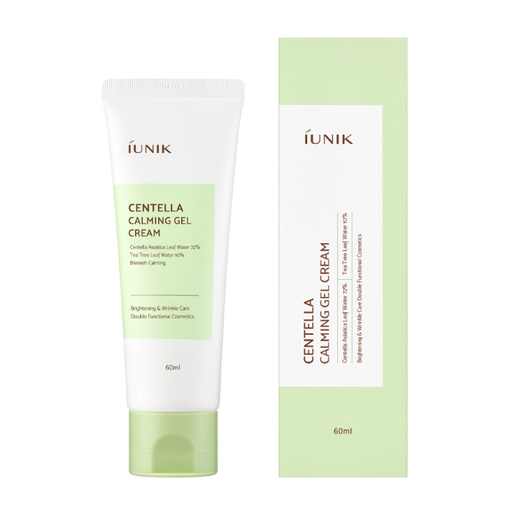
Why it suits this profile: The gel texture is a good match if you’re looking for a lightweight moisturiser that doesn’t feel heavy or greasy during the day.
The product description highlights a non-sticky gel texture and says it contains no synthetic fragrance. Very dry skin may need an additional cream.
According to the product information, it contains Centella asiatica, tea tree, niacinamide and adenosine. Size: 60 ml.
Apply the cream to clean skin, preferably without rubbing hard. During the day, use a sun protection product if your routine calls for one. Store the packaging in a cool, dry place away from direct sunlight, and follow the expiry information on the packaging. An opened cream won’t stay usable indefinitely; check the period-after-opening symbol and look out for changes in smell, colour or texture.
We’ve put together a full, up-to-date list of products that meet these strict selection criteria and the current European safety requirements.
Look for a simple formula with hydrating ingredients that support the skin barrier, such as glycerin, panthenol, beta-glucan or ceramides. If you want to avoid fragrance, check the full INCI list too. A gel cream often suits oily or combination skin, while a richer cream may be a better choice for dry skin.
Follow the directions on the packaging. Some products are intended for morning and evening use, while a cream for extremely dry areas may, according to the product information, be applied several times a day. Stop using it if you have a negative skin reaction, and ask a doctor or dermatologist for advice if symptoms persist.
A brand may say that a product helps soothe visible redness, but results vary from person to person. Ingredients such as centella asiatica, panthenol and ceramides are often chosen for a comfortable, hydrating skincare routine. They’re no substitute for medical treatment if skin problems persist or get worse.
