
Vandaag of morgen in huis

Kwaliteit gegarandeerd

Welkomstaanbiedingen ontgrendelen: GRATIS bezorging | Tot 80% korting | Gratis 30 dagen JoyPlus-proefperiode
Download de app
Sensitive skin does not always respond well to a richer cream. Sometimes a product feels comfortable at first, but later causes tightness, shine or increased redness. So if you are looking for a soothing face cream for sensitive skin, look beyond words such as “soothing”, “repair” or “barrier care” on the packaging.
Pay particular attention to the formula, texture and intended use. This helps you avoid buying a cream that is too heavy for oily skin, too light for dry skin or unsuitable because it contains perfume or essential oils.
Brands often describe ingredients such as centella asiatica, cica, ceramides and hyaluronic acid as soothing or barrier-supporting. This says something about how the product is positioned, but does not automatically predict the result for every user. For example, according to a brand’s own research, percentages relating to redness or skin comfort may apply only under specific conditions. So do not treat such figures as a personal guarantee.
A face cream for redness may help your skin feel more comfortable and support a calmer-looking complexion, but persistent or severe symptoms require advice from a doctor or dermatologist.
Shea butter, oils and richer emollients can feel pleasant on dry skin, especially in winter. On oily or acne-prone skin, a gel cream for oily skin may feel more comfortable. Also check whether the product description states that it is non-comedogenic. This does not guarantee that everyone will tolerate it well, but it is useful information when making your choice.
Centella asiatica or cica may sound appealing, but the full ingredients list determines the formula. Also look for humectants such as glycerine, panthenol and beta-glucan, as well as lipids such as ceramides, cholesterol or squalane. If you want to support your skin barrier, you will generally benefit more from a well-balanced formula than from one eye-catching ingredient.
There is no single best cream for sensitive skin. The right match depends on sebum production, dryness, the season and the rest of your skincare routine.
A fragrance-free formula is not the same as a formula that is free of every potentially irritating ingredient. Check the full INCI list, particularly if you have previously reacted to essential oils or fragrance allergens. For example, The Dear, Klairs Rich Moist Soothing Cream contains several essential oils, including lemon, lavender and eucalyptus oil. This does not automatically make the cream unsuitable, but it makes it a less obvious choice for anyone who does not tolerate fragrance ingredients well.
Check the following before buying:
If you have sensitive skin, carry out a small patch test on a limited area first. Stop using the product if you experience burning, itching, swelling or increasing redness, and follow the safety information on the packaging.

Why it suits this profile: According to the product description, the gel cream contains 77% oat seed water and has a lightweight texture for daily use in the morning and evening.
The product information describes a non-greasy finish, so this option may feel less heavy than a rich barrier cream.
100 ml; contains panthenol, squalane and beta-glucan according to the ingredients list.
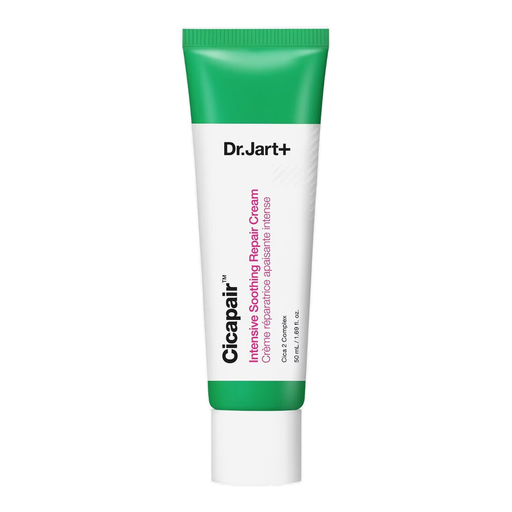
Why it suits this profile: The cream combines a richer moisturiser with a cica complex and, according to the product description, is intended for sensitive, oily and blemish-prone skin, among other skin types.
The ingredients list is clearly displayed and includes centella asiatica, niacinamide, glycerine and allantoin, among others; however, check that the richer texture suits your skin.
50 ml; natural finish; cica complex listed as a key ingredient.
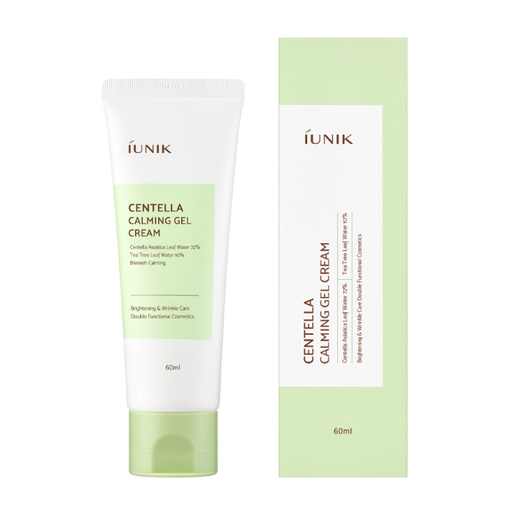
Why it suits this profile: According to the product description, the lightweight gel texture is intended for oily, combination, sensitive and acne-prone skin.
The gel cream avoids a heavy feel and, according to the product information, contains no synthetic fragrance; check the current packaging.
60 ml; centella asiatica, tea tree and niacinamide listed; fast-absorbing, lightweight gel texture.
We have put together a complete, up-to-date list of products that fully meet these strict selection criteria and comply with the applicable European safety regulations.
Apply the cream to cleansed skin, usually after toner and serum. During the day, use sun protection as the final step. Start with a small amount; applying a thick layer is not automatically more effective. On dry skin, you can apply a little extra product to specific areas, while oily skin often needs only a thin layer.
Do not introduce several new products at the same time. This makes it easier to assess which formula feels comfortable. Store the cream as directed on the packaging and check the expiry date or the period after opening.
It is a moisturiser designed to replenish moisture and support a comfortable skin feel. Many formulas contain ingredients such as glycerine, panthenol, centella asiatica, cica, beta-glucan or ceramides. Suitability depends on the complete ingredients list and how your skin reacts.
Look for a simple formula without added fragrance if you are sensitive to it. A face cream for redness may contain ingredients such as centella asiatica, madecassoside or guaiazulene. Brand descriptions about reducing redness are product claims, not personally guaranteed results.
Follow the expiry date and the open-jar symbol indicating the period after opening on the packaging. Close the tube or jar securely and store the product in a cool, dry place away from direct sunlight. If the smell, colour or texture changes noticeably, stop using the product.
