
Livraison le jour même et le lendemain

Qualité garantie

Débloquez vos offres de bienvenue: Livraison GRATUITE | Jusqu'à -80 % | 30 jours d'essai gratuits à JoyPlus
Téléchargez l'application
A soothing face cream for sensitive skin should feel comfortable, provide sufficient moisture and suit your skin type. Yet it is easy to base a purchase on eye-catching packaging or promises such as “repair” and “soothing”. On their own, these terms reveal little about the formula.
The right choice therefore starts with verifiable information: the ingredients list, texture, size, directions for use and warnings. Below, you’ll discover what to look for if you have dry, redness-prone, oily or blemish-prone skin.
A rich cream can feel comfortable on dry skin, but may sometimes feel heavy on oily skin. A gel cream for oily skin or a lightweight moisturiser will generally spread more easily and leave less shine behind. Also pay attention to the product description: “light” or “non-greasy” is a description provided by the manufacturer, not a guarantee that every skin type will find the product comfortable.
A cream may contain centella, oat or panthenol and still include fragrance or essential oils. If you react quickly to fragrances, always check the full ingredients list. A fragrance-free face cream is not automatically suitable for everyone, but it can be a practical first option for sensitive skin.
Centella asiatica, ceramides and hyaluronic acid receive plenty of attention in Korean skincare. However, their presence does not tell you everything. The overall formula, order of ingredients and texture are just as important. Treat brand research claims as information about a potential skin experience, rather than a guaranteed result for every user.
A hydrating face cream often contains glycerine, hyaluronic acid, panthenol or beta-glucan. These ingredients are used to help bind moisture to the skin or support a comfortable skin feel.
A skin barrier repair cream often contains ceramides, cholesterol, fatty acids, squalane or lecithin. For example, one product lists several ceramides, hyaluronic acid, panthenol and cholesterol among its ingredients. This makes the formula interesting if you are specifically looking for barrier-focused ingredients.
A cream for blemish-prone skin does not necessarily have to be drying. An overly harsh or excessively drying routine may actually feel uncomfortable. Pair a lightweight cream with a gentle cleanser and avoid introducing several new products at the same time.
Check for terms such as “fragrance”, “parfum”, limonene, linalool and essential oils. According to the ingredients list, Dear, Klairs Rich Moist Soothing Cream contains, among other ingredients, lemon, lavender, orange, geranium and eucalyptus oils. This may not be a problem for some users, but if your skin is reactive, a fragrance-free option may be a more logical choice.
When trying a new moisturiser for sensitive skin, carry out a patch test first, following the directions on the packaging. Stop using the product if irritation, swelling or persistent redness occurs. A face cream is not a substitute for medical advice. If you experience recurring or severe skin problems, it is advisable to consult your GP or a dermatologist.
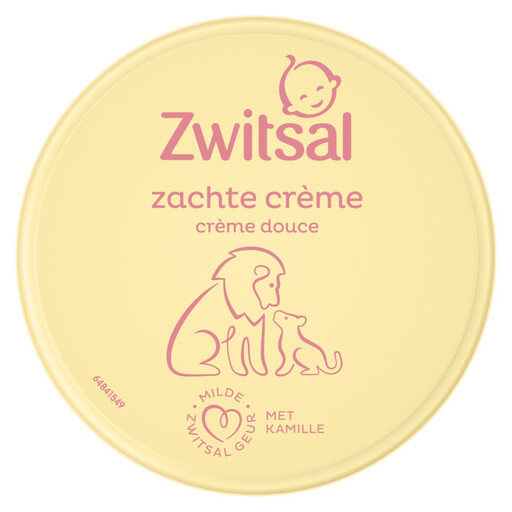
Why it suits this profile: The generous 200 ml size and simple cream formula make this an accessible option for the face and body. According to the product description, the cream is pH-neutral to the skin and contains vitamin E.
The product specifications clearly state the size, application and skin compatibility. However, bear in mind that it has the characteristic Zwitsal fragrance, so this is not a fragrance-free face cream.
200 ml, cream for the face and body, glycerine and paraffinum liquidum in the stated formula.

Why it suits this profile: According to the ingredients list, this Korean skincare cream focuses on hydration and barrier-focused care. The formula contains several ceramides, hyaluronic acid, panthenol, squalane and dimethicone.
You do not have to rely on the word “barrier” alone: the ceramides and other listed ingredients can be checked on the product page. The manufacturer also recommends a patch test.
80 ml, ceramide complex, hyaluronic acid and panthenol; according to the manufacturer, it has also been tested as hypoallergenic and non-comedogenic.
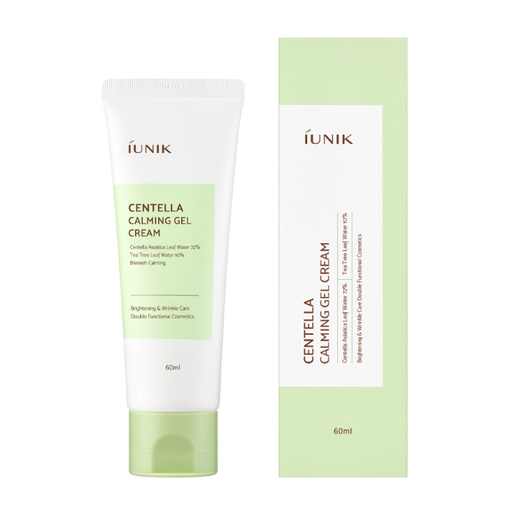
Why it suits this profile: According to the product description, the gel texture is designed for oily, combination, sensitive and blemish-prone skin. Centella asiatica, tea tree extract, niacinamide and adenosine are listed in the description.
The lightweight texture helps you avoid the pitfall of choosing a cream that feels too heavy. However, check whether tea tree suits your skin and carry out a patch test beforehand.
60 ml, fast-absorbing gel cream, without synthetic fragrance according to the product description.
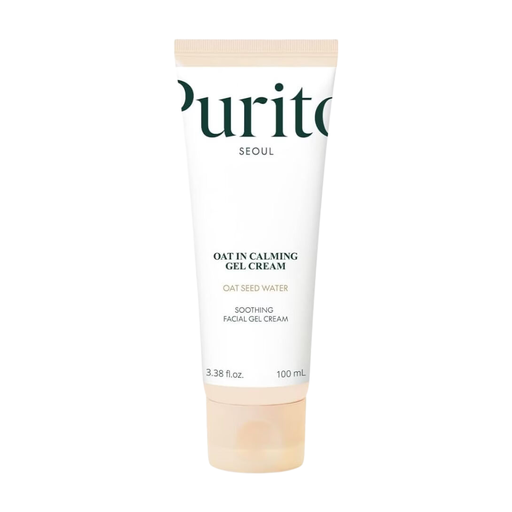
Why it suits this profile: According to the product information, this gel cream contains 77% oat seed water, glycerine, squalane, panthenol and beta-glucan. The lightweight base is suited to daily use on sensitive or blemish-prone skin.
The formula is more straightforward than many complex creams. The product information also explicitly states that you can apply additional moisturiser when more hydration is needed.
100 ml, gel cream with oat seed water, panthenol, squalane and beta-glucan.
We have compiled a complete, up-to-date list of products that meet these strict selection criteria and the applicable European safety regulations.
Apply the cream to cleansed skin. Start with a small amount and only add more if needed. On dry skin, a richer cream may feel particularly comfortable in the evening. A lightweight gel cream is often a better fit under sun cream or make-up.
Do not use several new active products at the same time. This makes it easier to assess which product feels comfortable. Also check the shelf-life information and store the cream according to the instructions on the packaging, usually closed and away from direct sunlight.
Look for a cream with hydrating and barrier-focused ingredients such as glycerine, ceramides, panthenol, hyaluronic acid or squalane. A richer texture may feel more comfortable than a gel cream. Avoid ingredients that you have previously reacted to and check whether the product contains fragrance or essential oils.
A centella cream may be worth considering if you are looking for a formula containing Centella asiatica. Brand research often associates centella with a soothing skin experience, but results vary from person to person. Test the product on a small area of skin first and stop using it if irritation occurs.
Follow the use-by date and the period-after-opening information on the packaging. Close the tube or jar after use and store the cream in a cool, dry place away from direct sunlight. A change in smell, colour or texture is a reason to stop using the product.
