
Same-day & Next-day Delivery

Quality Guaranteed

Unlock Your Welcome Offers: FREE Delivery | Up to 80% OFF | Free 30-day JoyPlus trial
Download the APP
Sensitive skin can feel dry, red, tight or even oily. A cream that looks “soothing” on paper may still sting, feel sticky or be too heavy. The right choice therefore depends not only on a popular ingredient, but also on the complete formula, texture and how you plan to use it.
In this guide, you’ll learn what to look for in a soothing face cream for sensitive skin. The recommendations are based on verifiable product information, including ingredients, skin type, size and usage advice.
Cica, also known as Centella Asiatica, is often found in Cica creams and repairing face creams. That does not automatically mean that every product is suitable for every sensitive skin type. The rest of the formula may, for example, contain fragrance, essential oils or several plant extracts.
Always check the full ingredients list. If your skin reacts quickly, a short formula without added fragrance is often a practical choice.
Cosmetics can make your skin feel more comfortable and may help reduce the appearance of redness according to the product description. They do not treat skin conditions. If you experience persistent redness, swelling, itching or a burning sensation, it is sensible to consult a doctor or dermatologist.
Also pay attention to phrases such as “clinically tested” or percentages used in marketing copy. According to the brand’s own research, such results may have been obtained under specific conditions. They are not automatically representative of every user.
A barrier-repairing cream with shea butter, oils or several emollient ingredients can feel pleasant on dry skin. On oily or combination skin, however, such a formula may feel heavy.
If you’re looking for a non-greasy face cream, it may be better to choose a gel cream or lightweight lotion. Look for terms such as “gel texture”, “lightweight” and “non-greasy”, but also assess the ingredients and the recommended skin type.
A hydrating face cream may combine several types of ingredients:
Don’t focus on just one active ingredient. The position on the ingredients list also gives an indication of the relative amount, but it does not tell you everything about the product’s eventual effect.
A fuller cream is often suitable for dry or flaky skin. A moisturising cream for redness containing shea butter, ceramides or oils may feel more comfortable in this case.
For oily, combination or acne-prone skin, a lightweight gel cream is often more practical. A formula that absorbs quickly can also feel more comfortable under sunscreen or make-up.
A fragrance-free formula is not automatically suitable for everyone, but fragrance can be an additional consideration for people with sensitive skin. Some products contain lavender oil, citrus oil, eucalyptus oil or other essential oils. Skinfood Carrot Carotene Relief Cream, for example, explicitly states that the formula contains essential oils which may cause sensitisation in sensitive individuals.
Always read the product warnings before buying and carry out a patch test on a small area of skin before using a new cream. Stop using it if irritation, redness, swelling or discomfort occurs.
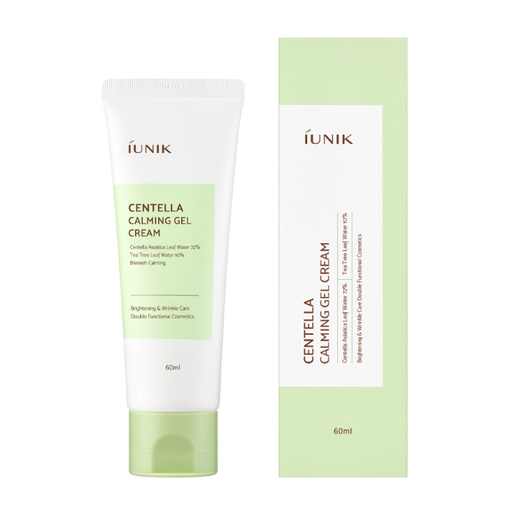
Why it suits this profile: The lightweight gel texture is practical for beginners looking for a daily moisturiser for sensitive skin without a heavy or greasy layer.
The product information describes a fast-absorbing, non-sticky gel cream for oily, combination, sensitive and acne-prone skin, among other skin types.
Centella Asiatica, tea tree extract and niacinamide; lightweight texture with a 60 ml size.
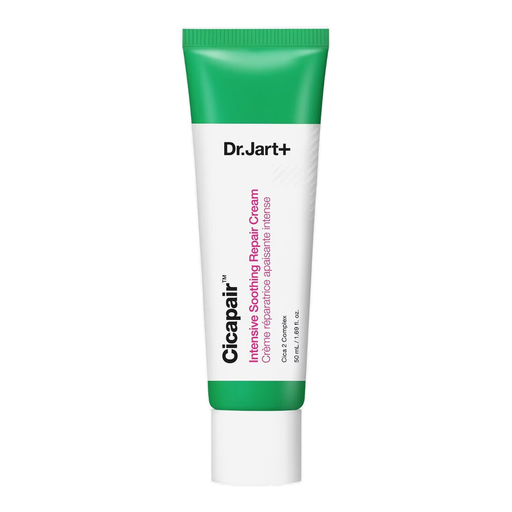
Why it suits this profile: A good choice if you’re looking for a richer Cica cream combining hydrating, soothing and barrier-supporting ingredients.
The formula contains no fragrance in the listed ingredients. Always check the packaging, however, as product formulations may change.
Centella Asiatica, glycerine, niacinamide and allantoin; designed for all skin types, including oily, blemish-prone and sensitive skin.
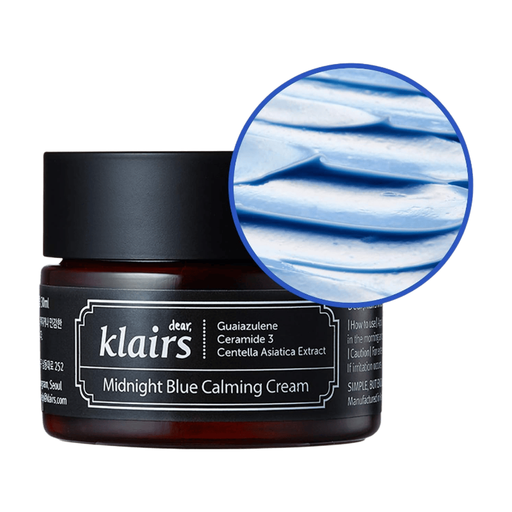
Why it suits this profile: The small size and advice to apply it locally suit users who mainly want to care for specific sensitive areas.
According to the usage instructions, apply the product to sensitive areas as the final step of your evening routine, rather than routinely applying it all over your face.
Contains Centella Asiatica, ceramide NP, glycerine and sodium hyaluronate; fragrance-free according to the product description.
We’ve put together a complete, up-to-date list of products that fully meet these strict selection criteria and the applicable European safety regulations.
A cream for irritated skin should not be applied to an open wound or visibly damaged skin unless advised by a healthcare professional. Store the product according to the instructions and check the expiry date and period after opening on the packaging.
That depends on your skin type and the ingredients you tolerate. For dry skin, look for hydrating ingredients such as glycerine, hyaluronic acid, panthenol and ceramides. A lightweight gel cream is often suitable for oily skin. A Cica cream containing Centella Asiatica may be worth considering if you’re looking for a formula designed to leave your skin feeling comfortable, but always check the full ingredients list.
Most products are designed for daily use in the morning and evening. When trying a new cream, start by using it once a day and increase use only if your skin remains calm. Follow the usage instructions on the packaging, as texture and concentration vary between products.
Check the expiry date, batch information and period-after-opening symbol on the packaging. Close the tube or jar after use and store the cream away from direct sunlight and high temperatures. A change in smell, colour or texture may be a reason to stop using the product.
