
Vandaag of morgen in huis

Kwaliteit gegarandeerd

Welkomstaanbiedingen ontgrendelen: GRATIS bezorging | Tot 80% korting | Gratis 30 dagen JoyPlus-proefperiode
Download de app
A soothing face cream can help reduce feelings of tightness, dryness or discomfort. However, not every cream is suitable for every skin type. A rich formula may feel heavy on oily skin, while a lightweight gel may not provide enough comfort for dry skin.
So don’t just look for words such as “soothing”, “recovery” or “barrier repair”. Pay particular attention to the ingredients list, texture, presence of fragrance and intended use. This helps you avoid buying a product that sits unused in the bathroom after just a few days.
Brands use terms such as “for redness”, “restorative” and “instant soothing”. These descriptions do not automatically indicate how your skin will react. A brand’s own research may show that a product delivers a particular effect, for example, but the result will not be the same for everyone.
Think of “cream for redness” as a product aim, rather than a medical promise. If you experience persistent redness, itching or a burning sensation, it is sensible to stop using the product and ask a doctor or dermatologist for advice.
A face cream for sensitive skin may still contain ingredients that do not suit everyone. These can include fragrance, essential oils, alcohol or certain preservatives. “Vegan”, “natural” or “Korean skincare cream” does not automatically mean that a formula will be gentle for everyone.
Check the full ingredients list and test a new product on a small area of skin first. Stop using it if you experience irritation, swelling, itching or a strong burning sensation.
Centella asiatica, also known as cica, is popular in centella creams and cica creams. A high percentage may sound appealing, but the overall formula determines the texture and how it feels on your skin. Niacinamide, panthenol, ceramides and hyaluronic acid may also be relevant for hydration and supporting the skin barrier.
A product containing lots of active ingredients is not automatically more suitable than a simple formula. For reactive skin, a short, easy-to-understand ingredients list may actually be more practical.
For dry or tight-feeling skin, glycerine, panthenol, hyaluronic acid, squalane and ceramides are commonly used ingredients. They help the skin retain moisture or create a more comfortable skin feel.
For sensitive skin, many consumers look for centella asiatica, madecassoside, allantoin and panthenol. These ingredients are often used in formulas designed to provide soothing care. Their effects and suitability can vary from person to person.
Niacinamide may be suitable in a hydrating face cream for combination or blemish-prone skin. However, always consider the overall formula and your personal tolerance.
A lightweight face cream or gel cream is often suitable for oily or combination skin, particularly during the day or underneath sunscreen. A lotion-like formula will generally absorb quickly and leave less of a greasy feeling.
Drier skin may benefit more from a cream containing ingredients such as shea butter, oils or ceramides. This can feel pleasant in the evening or during cold, dry months. If your skin tends to feel shiny, you can apply a richer cream to specific areas rather than across your entire face.
Check whether the formula is fragrance-free if you prefer to avoid fragrance ingredients. Also pay attention to warnings such as “for external use only” and the recommended shelf life after opening. The packaging provides the relevant information about the expiry date and the symbol indicating the period after opening.
A product labelled “dermatologically tested” describes a product test; it is not a guarantee that your skin will not react. During the day, use a sunscreen product if this fits into your routine.
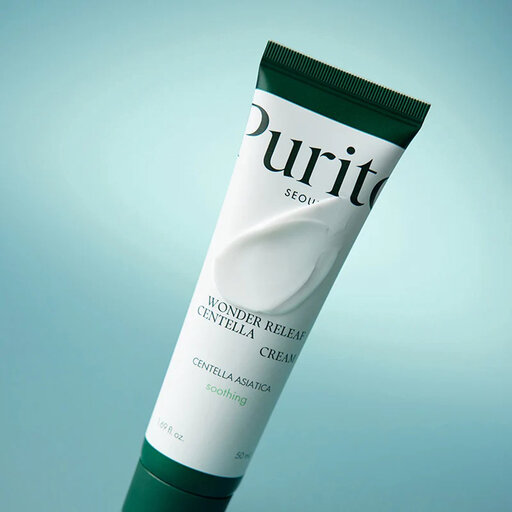
Why it suits this profile: According to the product information, the 50 ml cream has a lightweight, fast-absorbing texture and is intended for dry, sensitive, normal, combination and blemish-prone skin.
The product description does not mention fragrance, mineral oil, parabens, PEG, alcohol or silicones. However, always check the current packaging.
Vegan formula, 50% Centella asiatica according to the product information, and a 50 ml tube.
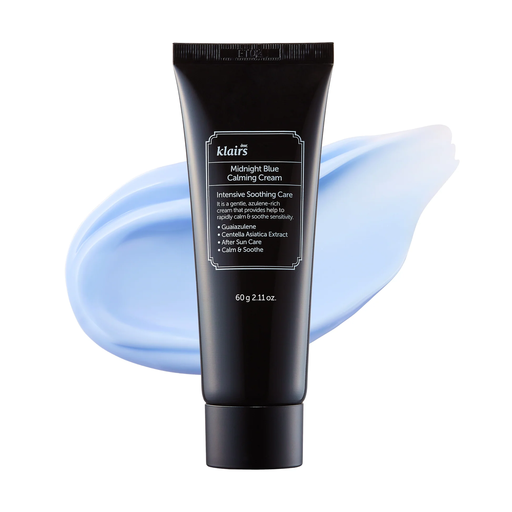
Why it suits this profile: According to the product description, this Korean skincare cream is aimed at sensitive, dry, normal or combination skin and is intended as the final step in an evening routine.
The product information states that it has a fragrance-free formula. According to the description, the blue colour comes from guaiazulene rather than artificial colourings.
Centella asiatica, niacinamide and Ceramide NP appear in the ingredients list; the texture is described as lightweight and non-greasy.
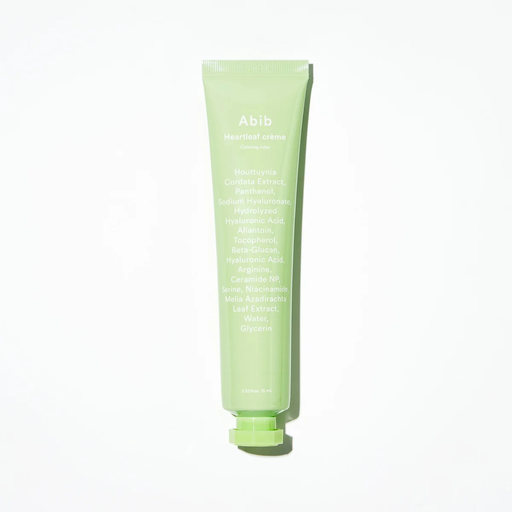
Why it suits this profile: According to the product description, the sorbet-like texture is intended for those who want to combine hydration, a lightweight skin feel and care for dry or sensitive skin.
The texture is not described as exclusively rich or oily. However, the product contains several silicones and humectants; read the ingredients list if you are sensitive to these.
75 ml capacity, Heartleaf extract, panthenol, Ceramide NP and several forms of hyaluronic acid according to the product list.
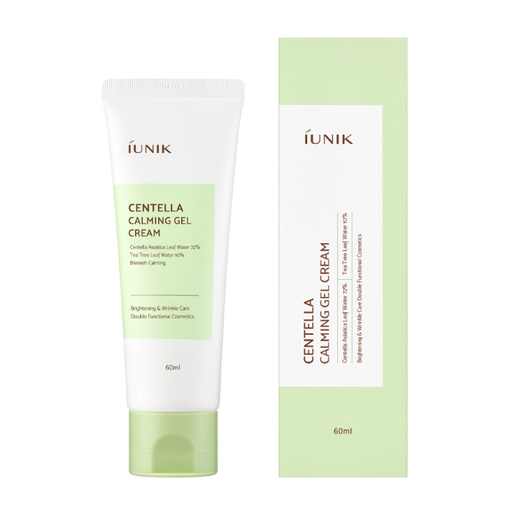
Why it suits this profile: According to the product information, the gel cream is lightweight, non-sticky and intended for oily, combination, sensitive or blemish-prone skin.
The formula is not positioned as a heavy cream. If you are sensitive to tea tree or botanical extracts, check the ingredients list beforehand.
Centella asiatica, tea tree, niacinamide and a fast-absorbing gel texture according to the product description.
A cream can make your skin feel more comfortable, but it is not a substitute for treatment of persistent skin problems. Stop using it if you experience clear irritation and consult a healthcare professional if necessary.
We have compiled a complete, up-to-date list of products that fully meet these strict selection criteria and the applicable European safety regulations.
Look for a fragrance-free formula if you prefer to avoid fragrance ingredients, and consider ingredients such as panthenol, centella asiatica, allantoin or ceramides. A face cream for sensitive skin is a personal choice, so test a small amount first and check the full ingredients list.
Many cica creams are intended for daily use, but always follow the instructions on the packaging. Apply a thin layer and avoid immediately combining several new active products. If you experience redness, itching or a burning sensation, stop using it.
This varies from product to product. Look for a symbol on the packaging showing, for example, “12M” or “18M”. This indicates how long the product can be used after opening according to the manufacturer. Store the cream in a cool, dry place away from direct sunlight, and close the packaging securely after use.
