
Vandaag of morgen in huis

Kwaliteit gegarandeerd

Welkomstaanbiedingen ontgrendelen: GRATIS bezorging | Tot 80% korting | Gratis 30 dagen JoyPlus-proefperiode
Download de app
A soothing face cream can be a welcome relief when your skin feels dry, tight, red or easily irritated. However, not every cream suits every skin type. A light gel cream can be comfortable for oily skin, while a richer formula is better suited to dry skin. The product name alone tells you little: always look at the ingredients list, texture and any warnings.
A product packed with plant extracts sounds appealing, but more ingredients also mean more potential irritants. Essential oils and fragrance in particular can be problematic for sensitive or irritated skin. For example, SKINFOOD Carrot Carotene Relief Cream contains lavender oil, orange peel oil, sage oil and patchouli oil. According to the product information, essential oils can cause sensitisation in sensitive individuals.
If you're looking for a cream for sensitive skin, it's wise not to rely solely on terms like "calming" or "soothing". Also check whether fragrance, alcohol or essential oils appear in the ingredients list.
Brands sometimes use specific percentages or terms such as "repairs the skin barrier". These are not universal guarantees. According to Dr.Jart+'s own research, the Cicapair Intensive Soothing Repair Gel Cream is said to reduce visible redness immediately and restore the barrier by 65% in one hour. Such figures apply within the brand's test setup and do not automatically reflect what you will experience.
Therefore, treat claims as additional information. The verifiable foundation remains the formula: for example, glycerine, panthenol, hyaluronic acid, ceramides or centella asiatica.
A rich cream can feel comfortable on dry cheeks but heavy on oily or acne-prone skin. A watery gel cream, on the other hand, may offer too little comfort for dry skin, especially in winter or in a heated room.
Look out for terms like:
Glycerine, butylene glycol, beta-glucan, panthenol and various forms of hyaluronic acid help the skin feel more hydrated. They are particularly relevant when you're looking for a hydrating face cream without a heavy, oily finish.
Hyaluronic acid appears, for example, in Clinique Moisture Surge, Hydrium Green Tea Aqua Soothing Gel Cream and Medicube Salmon DNA PDRN Pink Hyaluronic Moisturizing Cream. The Clinique product description mentions an oil-free gel cream and fragrance-free formula. The stated hydration duration and percentages are brand claims and should not be taken as guaranteed results.
Ceramides, cholesterol, phytosphingosine, lecithin and fatty acids resemble components naturally found in the skin barrier. They can fit into a routine aimed at skin barrier repair, without a cream replacing medical treatment.
SKIN1004 Madagascar Centella Soothing Cream lists 72% centella asiatica extract and ceramide. Dr.Jart+ Cicapair products contain centella asiatica and allantoin. If you have a very sensitive skin, it's always sensible to test a small amount on a limited area first.
A face cream for redness is not a medicine, and redness can have various causes. Stop using it if you experience itching, swelling, stinging or increased redness. For persistent or painful symptoms, consult a GP or dermatologist.
Pay extra attention to:
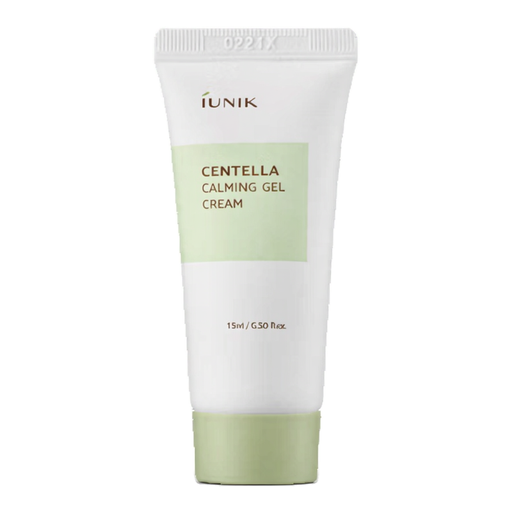
Why this fits: The small size is handy for trying out a light Korean skincare cream first or for popping in your bag.
You don't have to buy a large tub straight away. Do check the full ingredients list, as the product description mentions centella and tea tree.
Gel cream texture, 15 ml content and a product description that positions the formula for oily, combination or sensitive skin.
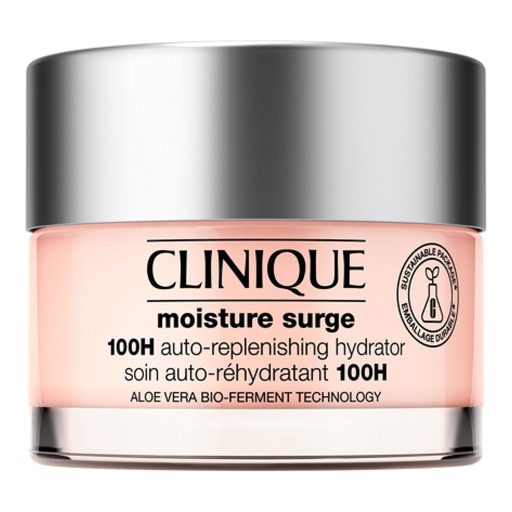
Why this fits: An option for anyone seeking an oil-free, fragrance-free gel cream that can suit both dry and combination skin.
The product information clearly states oil-free and fragrance-free. That makes comparing easier than relying on a general term like "sensitive skin".
50 ml, gel cream texture, hyaluronic acid and aloe bio-ferment according to the product description. The claimed hydration duration comes from Clinique.
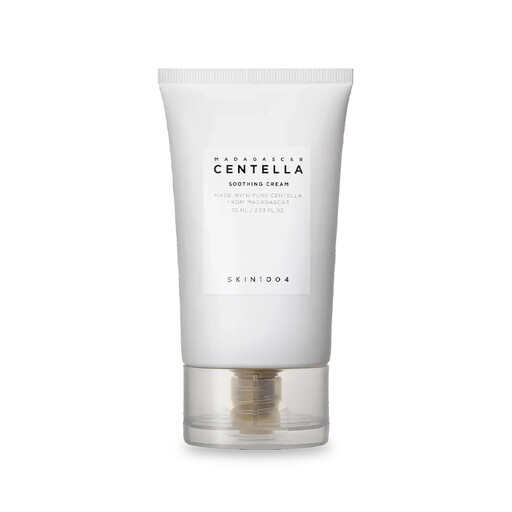
Why this fits: The combination of centella and ceramide ties in with a routine for dry or easily tight-feeling skin.
The formula lists ceramide and three lipid components. Compare this with your own need for a richer or lighter texture.
75 ml content, centella asiatica extract and ceramide according to the product information. The description positions the cream as non-greasy.
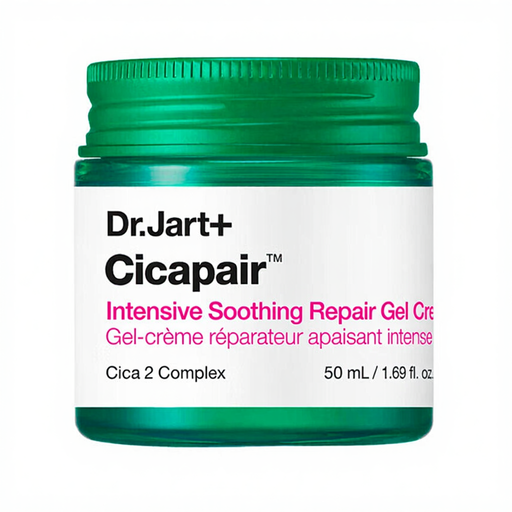
Why this fits: The light gel cream is aimed at users who want hydration without a sticky or heavy feel.
The texture and target audience are clearly described. Do check the current full ingredients list; the available description is abbreviated.
50 ml, gel cream, centella asiatica and allantoin according to the product description; the formula is listed as paraben-free.
Browse our current range of products that match these practical selection criteria for sensitive, dry, oily or irritated skin.
Apply the cream after cleansing and, if you use one, after toner or serum. Use a small amount and gently spread it over your face and neck. During the day, follow with sun protection as the final step. If you have sensitive skin, don't introduce several new products at once; that way you can better identify which product causes a reaction.
Store the cream according to the packaging, away from direct sunlight and preferably tightly closed. The shelf life and period after opening are stated on the packaging. If a pot or tube changes in smell, colour or texture, it's best not to use it any longer.
First, look for a short, clear ingredients list and watch out for fragrance and essential oils. A fragrance-free option, such as the Clinique product information mentions, can be a practical choice. Always test a new product locally before applying it fully.
Often yes, because a gel cream usually feels lighter than a formula with lots of oils or butters. However, suitability depends on the full composition and your personal tolerance. Apply a thin layer first and see how your skin feels throughout the day.
No, you shouldn't expect that as a general effect. A cream can make the skin feel more comfortable and better hydrated, but persistent, painful or recurring redness may have another cause. If in doubt, consult a GP or dermatologist.
