
Vandaag of morgen in huis

Kwaliteit gegarandeerd

Welkomstaanbiedingen ontgrendelen: GRATIS bezorging | Tot 80% korting | Gratis 30 dagen JoyPlus-proefperiode
Download de app
A soothing cream for sensitive skin might seem straightforward to pick, but product pages often use broad terms like “soothing”, “barrier-repairing” and “anti-redness”. Those words only mean something when you also check the ingredients, texture and usage instructions. What’s more, sensitive skin can be dry, oily, red or prone to breakouts. That’s why one formula doesn’t work the same for everyone.
A product with a large amount of centella, heartleaf or tea tree sounds appealing. Yet the full ingredients list determines how the cream feels and which skin type it’s practically suited to. A high concentration of a plant extract doesn’t automatically make a formula suitable for reactive skin.
Also pay attention to the supporting ingredients. Glycerine, panthenol, ceramides and hyaluronic acid primarily support hydration and comfort for dry skin. Tea tree and other aromatic plant components may be less suitable if your skin tends to sting or turn red easily.
A marketing claim isn’t a personal prediction. According to some brands’ product descriptions, formulas are suitable for sensitive or acne-prone skin. That remains a claim from the brand, not a guaranteed result for every user. Always check the warnings, allergens and recommended usage instructions.
Avoid applying a new product to a large area of your face if you don’t yet know how your skin will react. First test a small amount on a limited area.
A rich barrier cream can be pleasant for dry skin, but may feel heavy on oily or combination skin. A gel cream is often lighter, while a cream with shea butter, oils or multiple lipids can offer more comfort when skin is dry.
So don’t just look at “soothing” – also consider the finish, the size and the time of use. A light formula, for example, works well under sunscreen or make-up. A richer cream can be more practical in the evening or during dry periods.
Centella asiatica, also known as cica, is common in Korean skincare. The variants centella cream and cica cream are popular among shoppers looking for a gentle, nurturing routine. Houttuynia cordata, often called heartleaf, is another plant extract that regularly appears in soothing products.
Check where the ingredient sits in the ingredients list, but don’t attach a guaranteed effect to that. According to the product description from ANUA, the Heartleaf 70% Intense Calming Cream contains 70% Houttuynia Cordata Extract. The formula also includes glycerine, panthenol, cholesterol and Ceramide NP. These are verifiable product specifications; the final feel on the skin varies from person to person.
A hydrating cream for irritated skin often contains ingredients that attract or help retain water. Look for:
A barrier-repairing cream is not a treatment for a skin condition. If redness, swelling, itching or a burning sensation persists, it’s wise to stop using it and seek medical advice.
A cream for redness on acne-prone skin may contain tea tree. According to the product description from SKIN1004, the Tea-Trica products are intended for skin with imperfections and contain tea tree and centella. That’s information from the brand. Tea tree oil can feel intense for some users.
Azelaic acid also requires extra care. The SKIN1004 Madagascar Centella Azelaic Acid 10 Ampoule contains 10% azelaic acid according to the ingredients list. The product information advises building up use gradually and then following with a soothing and hydrating cream. This isn’t a standard base cream, but an ampoule with an active ingredient. Only choose this if you can follow the usage instructions properly.
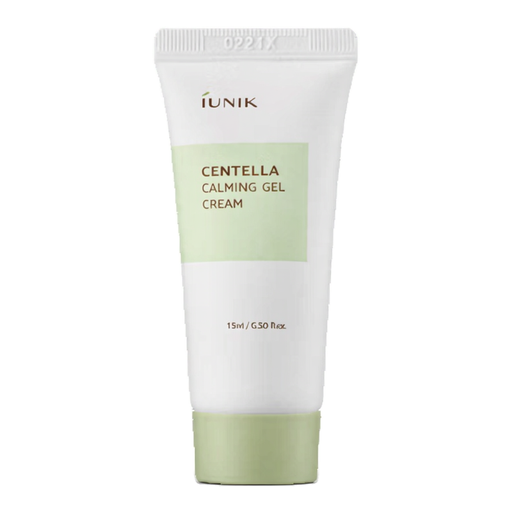
Why this fits the profile: The mini 15 ml size is practical for trying out a gel cream first or for taking with you. According to the product description, the formula contains centella and tea tree water and has a light texture.
You don’t have to buy a full-sized pot straight away if you’re still unsure about tea tree or the gel texture.
15 ml size, light gel cream and ingredients such as centella, tea tree and glycerine according to the product description.
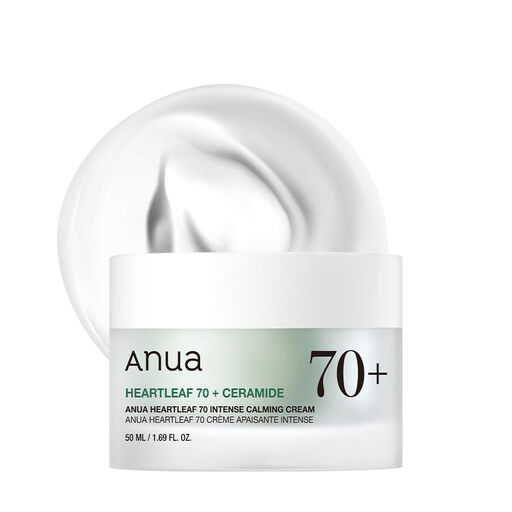
Why this fits the profile: This cream suits anyone looking for a richer, fragrance-free formula for face and body. According to the product details, the pot contains 50 ml.
The ingredients list is visible and includes panthenol, cholesterol and Ceramide NP, rather than just a general soothing claim.
70% Houttuynia Cordata Extract according to ANUA, plus glycerine, panthenol and Ceramide NP; the product information also states it’s fragrance-free.
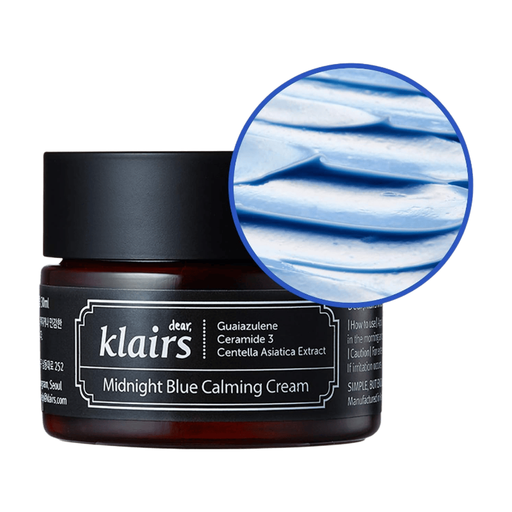
Why this fits the profile: The product description positions this cream as targeted care for sensitive areas, especially as a final step in your evening routine.
The recommended application is local and in a small amount. That helps prevent over-applying a richer cream.
30 g size, centella, Ceramide NP and guaiazulene according to the ingredients list; the product information states a fragrance-free formula.
We’ve put together a full, up-to-date list of products that fully meet these strict selection criteria and comply with current European safety regulations.
First look for a short, clear ingredients list and a texture you’ll be comfortable using consistently. A formula with centella, glycerine, panthenol or ceramides can fit into a nurturing routine. Always check allergens and follow the warnings on the packaging.
That depends on the full formula and your personal reaction. A light gel cream may feel more practical than a rich cream. Products with tea tree or active ingredients aren’t automatically suitable for every acne-prone skin type. So test locally first and don’t combine several new active products at once.
Use the product for as long as the packaging allows and check the expiry date or batch information. Store the cream according to the instructions, usually in a cool place away from direct sunlight. If the scent, colour or texture changes noticeably, check the packaging first before continuing.
