
Vandaag of morgen in huis

Kwaliteit gegarandeerd

Welkomstaanbiedingen ontgrendelen: GRATIS bezorging | Tot 80% korting | Gratis 30 dagen JoyPlus-proefperiode
Download de app
Sony wireless headphones can be useful for listening to music, travelling, working from home, making calls and gaming. However, it’s not wise to choose based solely on a familiar model name or a long list of features. The differences between on-ear headphones, over-ear headphones and wireless earbuds have a direct impact on comfort, battery life and everyday use.
A quoted battery life often applies under specific conditions. With noise-cancelling headphones, battery life may be shorter when this feature is switched on. Using the microphone, listening at a high volume and switching between connection modes can also have an impact.
So check both figures: battery life with active noise cancelling and battery life without noise cancelling. Also check whether fast charging is available. According to the product information, charging for just a few minutes may provide some extra listening time when you need it.
Sony noise-cancelling headphones use microphones and electronics to reduce background noise. The results can vary depending on your surroundings. Low, constant sounds such as train or aircraft noise may be handled differently from voices or sudden sounds.
If you travel often, active noise cancelling may be useful. For cycling, walking in busy traffic or situations where it’s important to hear your surroundings, an open design or ambient sound mode may be more practical. Noise cancelling is no substitute for staying alert.
A standard wireless Sony headset isn’t automatically suitable for rain or sport. Check the IP rating. IPX4 means protection against splashes, such as sweat or light rain, but not immersion. What’s more, on many models only the earbuds are protected, not the charging case.
According to the product information, the Sony WH-CH520 isn’t described as water-resistant. The WF-C710N, WF-1000XM5, INZONE Buds and LinkBuds Clip have an IPX4 rating. Dry the earbuds and case before storing or charging them.
Multipoint headphones can stay connected to two devices at once, such as a laptop and smartphone. This is handy when working from home: you can listen to music and still answer an incoming call. Just make sure multipoint is listed in the product specifications.
Bluetooth versions such as Bluetooth 5.2 or 5.3 don’t tell you on their own how good the sound will be. Check which codecs are supported, too. Models such as the WH-1000XM5 support LDAC as well as AAC and SBC. Not every smartphone or streaming service uses that codec automatically.
Compare the battery life of the headphones themselves with the total listening time of earbuds when used with their charging case. For example, the Sony WF-C710N is listed as offering up to 30 hours with noise cancelling and up to 40 hours without it. The Sony WF-1000XM5 is listed as offering up to 24 hours with the charging case.
Also check:
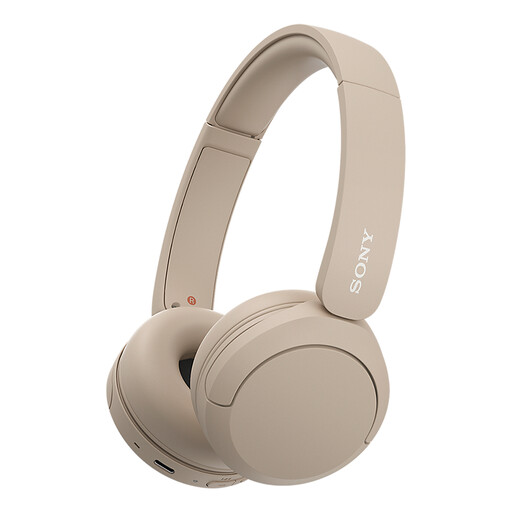
Why it suits this profile: These lightweight on-ear Sony Bluetooth headphones are ideal for everyday listening, commuting and online calls, without extra features you may not use.
The specifications list a weight of 147 grams and multipoint connectivity. However, this model isn’t designed for wet conditions and doesn’t have active noise cancelling.
The product description states up to 50 hours of battery life. It also features USB-C, a microphone, app support and multipoint connectivity.
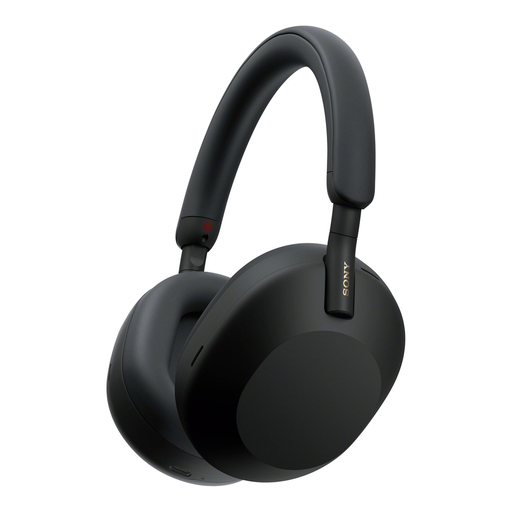
Why it suits this profile: These over-ear headphones are aimed at travellers and listeners who value active noise cancelling, multipoint connectivity and LDAC support.
The product information distinguishes between up to 30 hours with noise cancelling and 40 hours without it. The headphones aren’t water-resistant.
Active noise cancelling, Bluetooth 5.2, multipoint, LDAC, a 3.5 mm socket and a detachable cable.
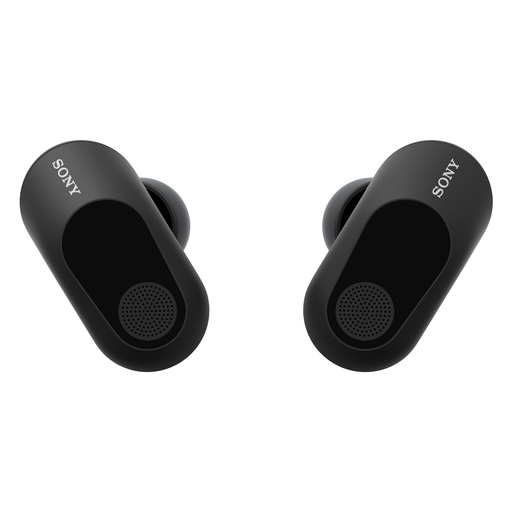
Why it suits this profile: These Sony gaming earbuds are designed for players who need low latency, a USB-C dongle and a built-in microphone for PC or console gaming.
The product description states that latency is under 30 ms via the USB-C dongle. The IPX4 rating means they’re suitable for splashes, but not immersion.
Active noise cancelling, 12 hours of battery life in dongle mode according to the specifications, an AI microphone and 360 Spatial Sound for gaming.
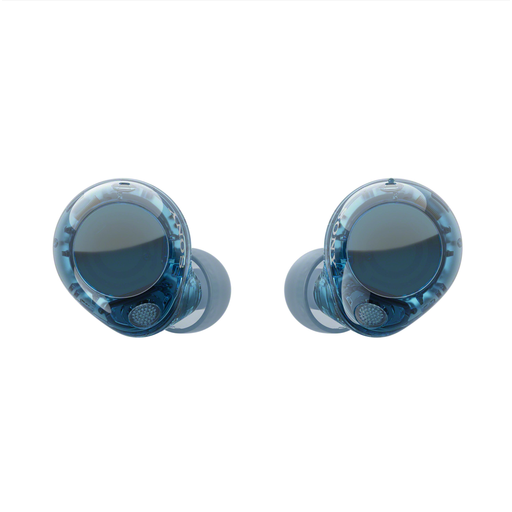
Why it suits this profile: These Sony earbuds combine in-ear comfort, noise cancelling, multipoint connectivity and IPX4 splash resistance for everyday use and light exercise.
The IPX4 rating is more specific than a general term such as ‘sport-resistant’. According to the product information, the charging case isn’t water-resistant.
Up to 30 hours with noise cancelling and up to 40 hours without it are listed, along with multipoint, USB-C and fast charging.
We’ve put together a complete, up-to-date list of products that meet these strict selection criteria and current European safety regulations.
Put the headphones or earbuds into pairing mode, then open the Bluetooth settings on your smartphone. Select the model name from the list. On compatible Android and Windows devices, Fast Pair or Swift Pair can speed up setup. You can use the Sony Sound Connect or Headphones Connect app for equaliser, noise-cancelling and firmware settings, depending on the model.
Battery life per charge varies by model and settings. The WH-CH520 is listed as offering up to 50 hours in the product description, while the WH-1000XM5 is listed as offering up to 30 hours with noise cancelling and up to 40 hours without it. Actual battery life depends on volume, connection, microphone use and the features you have switched on.
Yes. Active noise cancelling uses extra electronics and can reduce battery life. So always compare the figures with noise cancelling switched on and off. If you mainly listen at home or in the office, a model without ANC may be enough. For train journeys or flights, ANC may be a useful feature.
