
Singer dealing with noticeable room reverberation
Records vocals in a hard or reflective room and wants the voice to sound closer, with less emphasis on the room.


Start with the room and your recording setup. Singing close to the microphone, using a pop filter and reducing reflections can help capture your voice more clearly against the room, but a directional microphone won’t remove room reverberation. Audio-Technica describes close-miking as a way to affect the balance between the direct voice and ambient sound; Shure recommends positioning the microphone close to the sound source. Then choose a dynamic vocal microphone if close-miking suits your technique, or a cardioid condenser microphone if vocal detail matters and you can improve the room. Also check the connection, power requirements and gain.
Records vocals in a hard or reflective room and wants the voice to sound closer, with less emphasis on the room.
Wants to get started with a computer and needs to choose between a USB connection and an XLR setup.
Can assess the microphone, interface and placement together, and weigh up how much vocal detail suits the room and their technique.
First consider how you can manage the room and your singing distance. Then check which connection your recording equipment supports, and finally see how much gain the model you choose requires.
| What to consider | What to look for when buying | Who is this important for? |
|---|---|---|
| Room reverberation and the balance between voice and room | Check the pickup pattern and the intended front of the microphone. Allow for a pop filter, a consistent distance and space for acoustic absorption. | If I sing in a hard, reflective room, I want the room to have less impact on my voice. Around 36% of consumers put tackling room reverberation first. |
| Connection and existing equipment | Check whether the microphone uses USB or XLR, and which input your computer or interface has. Audio-Technica specifies XLR and 48 V phantom power for the AT2020; RØDE specifies both USB and XLR for the NT1 5th Generation. | If you want to record with your existing equipment without needing an extra connection step, focus on the connection you choose. Around 29% of consumers put easy connectivity first. |
| Vocal detail versus audible room sound | Weigh up your preferred recording approach against the reflections in the room. If possible, assess a test recording made from the same spot. | If I’m mainly focused on the sound of my voice, I also want to hear how much of my room makes it into the recording. Around 21% of consumers put vocal detail first. |
| Gain for a specific XLR setup | For the SM7B, check whether your interface provides enough gain. For this model, Shure recommends a preamp with at least 60 dB of gain for speech recording. | If you want to use an existing XLR setup without unexpected extra equipment, check the available gain beforehand. Around 14% of consumers put avoiding extra gain-related costs first. |
A cardioid pickup pattern won’t suppress every reflection, so the sound of the room may still be audible in your vocal recording.
Try different positions, sing from a consistent distance and see where you could add absorption around your recording spot.
Adjusting your recording space can take extra time and may require sound-absorbing materials.
XLR and USB are different connection types. The Audio-Technica AT2020, for example, uses XLR and requires 48 V phantom power, while the RØDE NT1 5th Generation also offers USB.
Check the exact version and what’s included, as well as the equipment you already own.
For speech recording with the SM7B, Shure recommends a preamp with at least 60 dB of gain. This recommendation applies to this specific model, not to all dynamic microphones.
Before buying, compare your interface’s available gain with the recommendation for this model and your intended recording setup.
If your existing setup isn’t sufficient, a suitable inline preamp may be an additional item to buy.
The SM58 is a cardioid dynamic vocal microphone; the SM7B is a different dynamic studio model for vocals and speech.
The NT1 5th Generation is a cardioid condenser microphone with USB and XLR. The NT1 Signature Series is a different product line with an XLR connection.
The AT2020 is a cardioid XLR condenser microphone that the manufacturer also recommends for home vocals.
The e 835 is a cardioid dynamic vocal microphone with XLR, which the manufacturer also lists for home recording.
The V7 is a supercardioid dynamic microphone, listed for vocals among other uses.
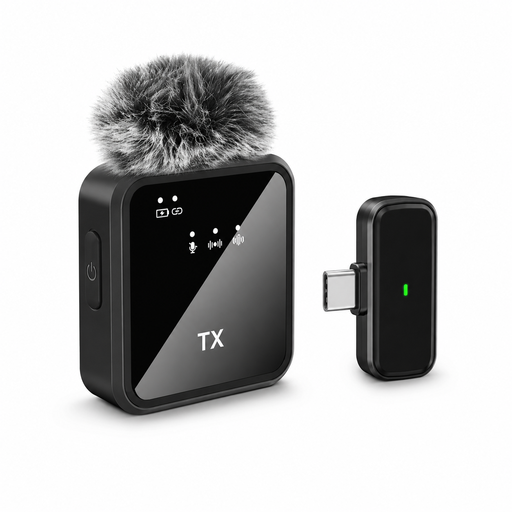
The Joybuy options below are wireless clip-on and lavalier microphones for mobile recording or streaming. Check that this form factor suits your solo singing setup.
 No image available
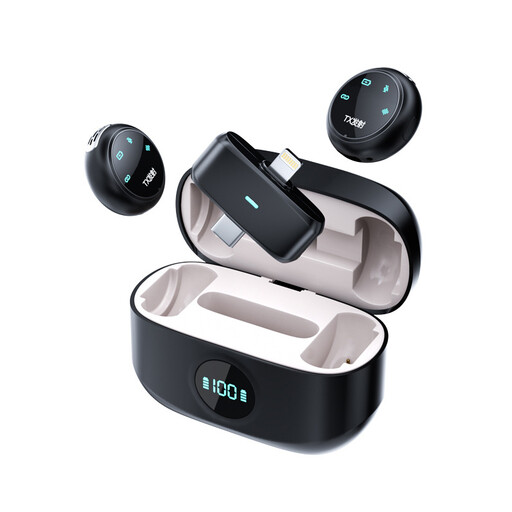
For anyone looking for a wireless clip-on setup for recording.
The product title lists two microphones and compatibility with iOS and Type-C interfaces; check that the connection suits your device.
 No image available
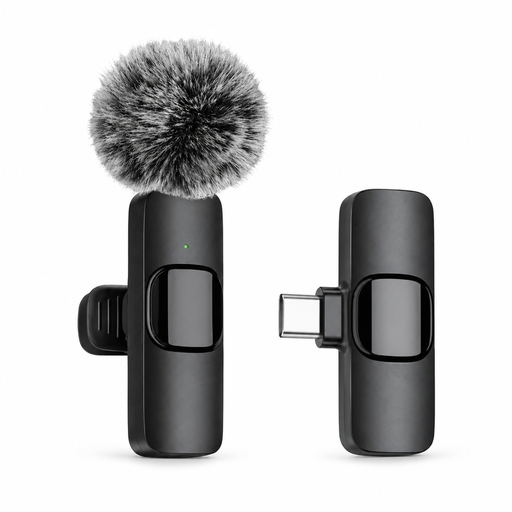
For anyone looking for a wireless mini clip-on microphone for recording, livestreams or interviews.
The product title lists a Type-C interface; check your device’s connection.
 No image available
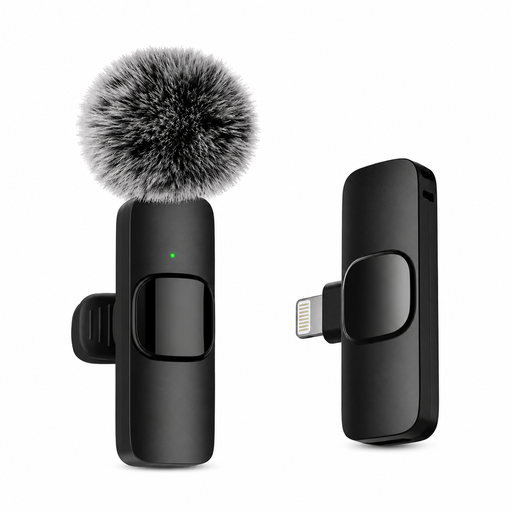
For anyone looking for a wireless clip-on microphone for recording.
This version is listed in the product title as a single-microphone model with an iOS interface; check that this connection suits your device.
 No image available
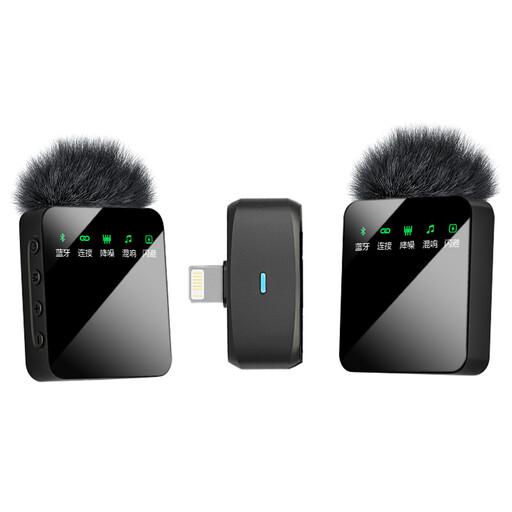
For anyone looking for a wireless lapel microphone for livestreams.
The product title lists two microphones and an iOS interface; check that the connection suits your device.
 No image available
For anyone looking for a wireless lapel microphone for livestreams.
This version is listed in the product title as a single-microphone model with a universal interface; check the connection for your device.
No. Singing close to the microphone and reducing reflections affect how strongly your voice and the room come through in the recording. A cardioid condenser microphone can also work if you can improve the recording space enough. No microphone type can remove reverberation on its own.
Use a pop filter, sing towards the intended front of the microphone and keep your distance consistent. Listen for whether singing closer makes the bass too prominent and, where possible, try adding sound-absorbing material around your recording spot.
It depends on the exact model. The Audio-Technica AT2020 uses XLR, requires 48 V phantom power and has an XLR cable sold separately. The RØDE NT1 5th Generation supports USB and XLR and, according to RØDE, comes with a pop filter, shock mount and cables. If you choose an SM7B, also check that your existing preamp provides enough gain.
According to the Netherlands Authority for Consumers and Markets, for a standard online consumer purchase you generally have up to 14 days after delivery to change your mind, subject to statutory exceptions. Separately, you’re entitled to a product that meets legal requirements, and the Dutch government says the seller is your point of contact if there’s a fault. There isn’t a fixed statutory two-year guarantee for every product in the Netherlands.