
If you heat small portions
You mainly want to warm up a portion of fruit compote and don’t need a baking or grill function.


A freestanding solo microwave with controls that everyone in the shared kitchen can understand is usually all you need to heat fruit compote; you don’t need an oven or grill function for that. Choose a combination microwave only if your housemates genuinely want to use those extra features, and check the space, controls and cleaning requirements first. Stir the compote partway through heating: the Voedingscentrum points out that a turntable doesn’t guarantee food will heat evenly.
You mainly want to warm up a portion of fruit compote and don’t need a baking or grill function.
You’re looking for an appliance that fits the available space and has straightforward controls for different users.
You also want to use the same appliance for baking or grilling, as well as heating compote.
Choose this option: if heating and possibly defrosting are its main jobs.
Bear in mind: a solo model doesn’t bake or grill.
Choose this option: if your housemates want to use the oven or grill function as well as the microwave function.
Bear in mind: the extra functions offer no particular benefit when heating compote.
Choose this option: if you already have a working microwave and you’re allowed to use it in the shared kitchen.
Bear in mind: check that the appliance and dishes are suitable for use, and keep the microwave clean.
The Voedingscentrum recommends stirring food partway through heating, even when using a turntable. Choose controls that suit the people who’ll use the appliance, and don’t rely on an automatic setting alone to heat food evenly.
| What to consider | What should you check? | Who is this important for? |
|---|---|---|
| Control over heating | Check whether you can set the time and power level yourself. Stir the compote partway through and check that it’s warm enough. | When I heat small portions of compote, I want to be able to adjust the heating myself. Around 36% of consumers prioritise having control over heating. |
| Space and controls | Measure the available space and compare the exact model’s external dimensions and controls. | When several people share a worktop, I want the appliance to fit and everyone to be able to use the settings. Around 29% of consumers prioritise shared space and ease of use. |
| Cleaning and use | Check whether the interior and turntable are easy to clean. Use microwave-safe dishes and don’t heat a sealed jar. | When different people use the appliance, I want to be able to keep it clean and use it safely. Around 21% of consumers prioritise ease of cleaning. |
| Extra functions | Discuss which baking or grilling tasks you need the appliance for and check that the model has the right functions. | If my housemates also want to bake or grill, I want to know whether one appliance can handle those tasks. Around 14% of consumers prioritise extra cooking functions. |
Siemens Netherlands describes the FF023LMB2 as a freestanding microwave, while a Joybuy listing describes the same model as a combination microwave with grill and fan-assisted cooking. The description can therefore affect what you expect the appliance to do.
Before buying, compare the full model number and the functions you want with the manufacturer’s specifications and manual.
According to the Voedingscentrum, food can heat unevenly even when there’s a turntable.
Stir the compote while it’s heating and check that it’s warm enough before serving.
A solo microwave is designed for heating and defrosting; baking requires an oven function. Extra functions don’t add anything to heating compote on their own.
Agree on which dishes the appliance should be able to prepare besides compote, then choose between a solo and combination model.
These examples show the controls and functions available on individual models; they’re not an overall assessment of the brands.
Tomado offers examples of a solo microwave and a combination microwave that you can compare side by side.
The freestanding MN207S is a digitally controlled solo model that you can compare with models featuring dials.
The freestanding FFL020MW0 is worth considering if the available worktop space will determine your choice.
The freestanding FF023LMB2 is a model to compare if automatic programmes and a cleaning function are important to you.
These Joybuy options are microwaves suited to heating compote. The selection also includes a combination microwave described as a built-in model, which requires a suitably fitted kitchen.
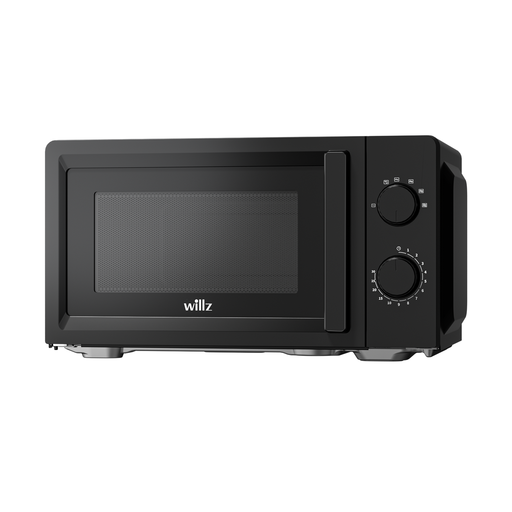 No image available
The product title describes a compact design and simple controls; check that everyone can use those controls easily.
The title gives a capacity of 20 litres.
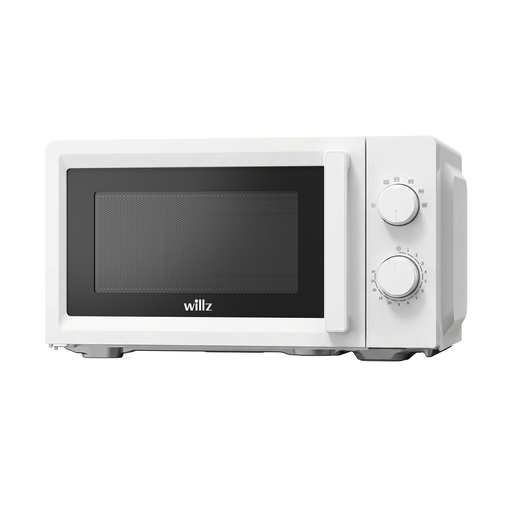 No image available
The product title describes a compact design and simple controls; check that everyone can use those controls easily.
The title gives a capacity of 20 litres.
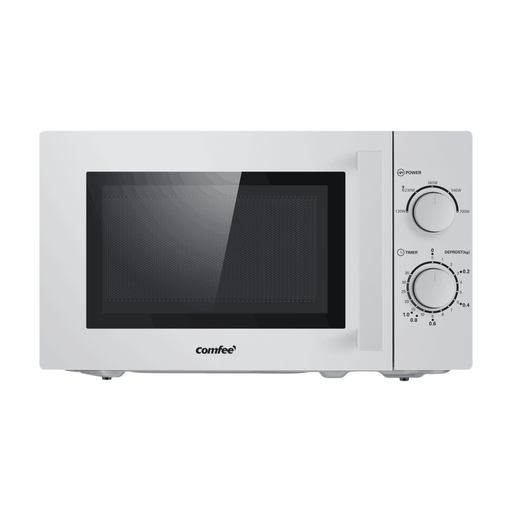 No image available
The dial controls and adjustable time and power may suit users who want to manage the heating themselves.
The product information lists a 20-litre capacity, 700 W, five power levels, a timer dial and a removable glass turntable. Don’t heat food in a sealed container.
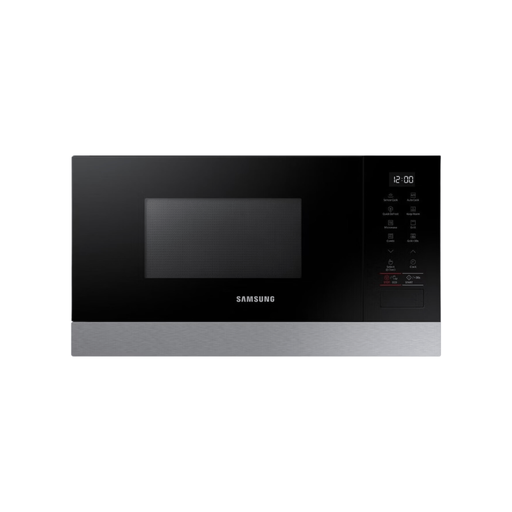 No image available
The product information describes this model as a built-in appliance, so check that the shared kitchen is fitted for one.
The title lists a 22-litre capacity, 900 W, a ceramic interior and Slim Fry Technology.
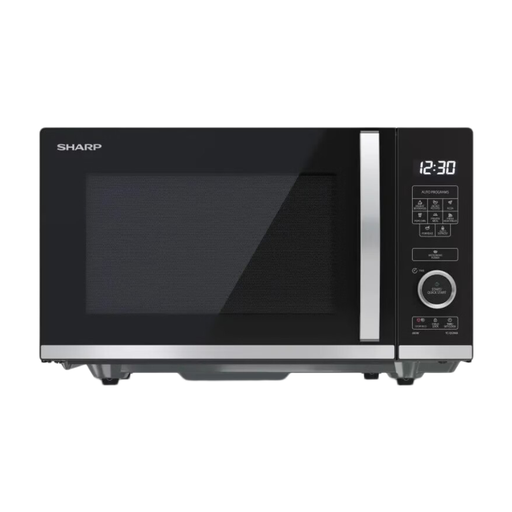 No image available
The product information describes this as a solo microwave with a flatbed and no turntable; stirring is still important when heating compote.
The title lists a 20-litre capacity and 800 W. The description mentions semi-digital controls.
Yes. Use a microwave-safe dish, not a sealed jar. Stir the compote while it’s heating and check that it’s warm enough throughout. The Voedingscentrum recommends heating leftovers until they’re piping hot; follow the product’s storage instructions too.
Remove food residue regularly and keep the door and seal clean. The manual for the Tomado TMS2003W warns that leftover residue can damage the surface and shorten the appliance’s lifespan.
No. For a consumer purchase in the Netherlands, statutory rights are separate from any manufacturer’s warranty. According to the Rijksoverheid, there’s no fixed statutory warranty period of two years; if a product is faulty, contact the seller.
According to the Dutch Ondernemersplein, electrical appliances placed on the market must meet the relevant European safety requirements. Once these requirements have been assessed, the manufacturer must provide the CE marking and EU Declaration of Conformity; a web listing alone doesn’t prove that a specific appliance complies.