
Vandaag of morgen in huis

Kwaliteit gegarandeerd

Welkomstaanbiedingen ontgrendelen: GRATIS bezorging | Tot 80% korting | Gratis 30 dagen JoyPlus-proefperiode
Download de app
Securing a driveway, backyard, or business premises without the hassle of cables and power outlets. That's the promise of a solar-powered outdoor security camera. No drilling, no wiring, and no reliance on the power grid. But with so many options on the market, finding a model that fits your specific needs can be challenging.
This article will guide you through the process. We'll cover the key features to consider and highlight several popular choices based on their specifications, helping you make an informed decision for your property.
Before making a choice, it's essential to understand a few key technical features. These will determine how the camera performs in real-world conditions.
The way your camera connects to the internet is crucial.
Most cameras deliver a decent picture during the day. The real difference is made at night.
A fixed camera only looks in one direction. For complete coverage of a larger area, more flexibility is required.
Below is a selection of cameras that stand out for their specifications and features.
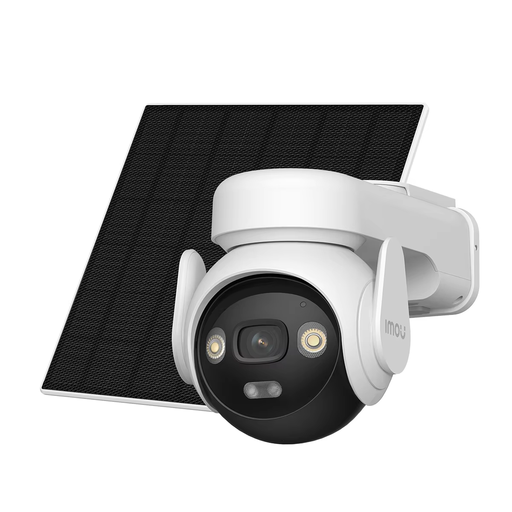
Why It Stands Out This model is a complete, self-sufficient solution. The combination of a 5W solar panel, a large 10,000mAh battery, and both 4G LTE and Wi-Fi connectivity makes it extremely versatile. Its PTZ function ensures full 360° coverage. According to the manufacturer, IMOU, a special battery management system also enables charging at lower temperatures.
Key Features
Who Is It For? Ideal for users seeking a flexible and robust solution for locations without power or stable Wi-Fi, such as vacation homes, stables, large properties, or temporary sites like construction zones.
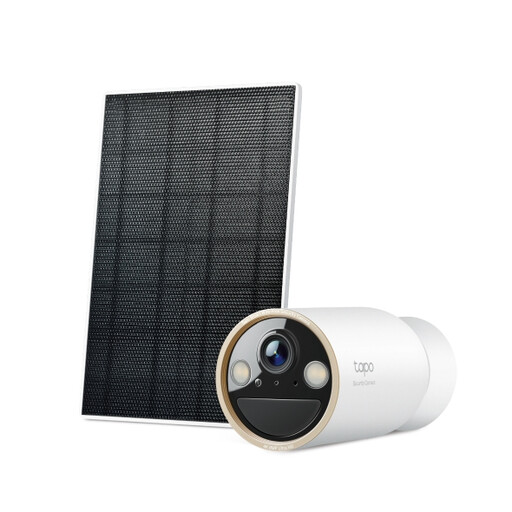
Why It Stands Out The Tapo C460 kit focuses on superior image quality. With a 4K 8MP resolution, this camera captures extremely detailed footage. According to TP-Link, its Starlight sensor and F1.6 lens ensure bright, full-color images even in very low light. The camera comes with the A201 solar panel, making it a complete solar-powered, battery-operated outdoor camera.
Key Features
Who Is It For? For homeowners and business owners who demand the highest possible image quality and have a stable Wi-Fi network. Perfect for capturing crystal-clear views of driveways, entrances, and gardens.
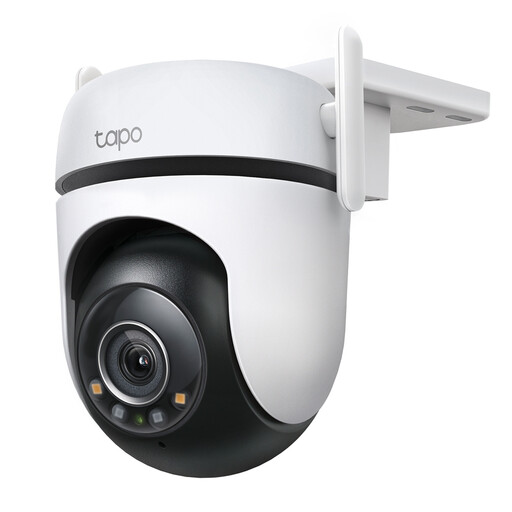
Why It Stands Out This model combines the flexibility of an outdoor PTZ camera with a sharp 2K QHD resolution. Although this camera uses a power adapter and requires an outlet, it offers the choice between a stable connection via an Ethernet cable or flexible placement via Wi-Fi. The Starlight sensor also provides enhanced color night vision.
Key Features
Who Is It For? For users who have a power outlet nearby but want the full coverage and smart features of a modern PTZ camera. A great choice for monitoring the corners of a house or a medium-sized property.
The cameras above are focused on home and property security. Are you specifically looking for a camera to observe wildlife, one that also operates independently over a cellular network? Then check out our selection of cellular trail cameras for more specialized options.
1. How long does the battery of a solar-powered outdoor camera last? Battery life depends heavily on the number of motion detections, the amount of sunlight the panel receives, and your settings. With just a few hours of direct sunlight per day, most cameras can operate continuously. During extended periods of darkness or cloudy weather, a fully charged battery-powered outdoor camera can last from several weeks to months in standby mode, depending on its capacity.
2. Do I need Wi-Fi for an outdoor security camera? Not necessarily. If you choose a 4G outdoor camera, you only need a data SIM card. The camera will then connect to the internet independently via the 4G network. This is the ideal solution for locations without Wi-Fi coverage.
3. What is the advantage of an outdoor PTZ camera? An outdoor PTZ camera gives you the ability to remotely adjust its viewing direction. You can look around in real-time, zoom in on details, or have the camera follow a preset patrol pattern. This eliminates blind spots and allows you to monitor a much larger area with a single camera than you could with a fixed-lens camera.
