
Vandaag of morgen in huis

Kwaliteit gegarandeerd

Welkomstaanbiedingen ontgrendelen: GRATIS bezorging | Tot 80% korting | Gratis 30 dagen JoyPlus-proefperiode
Download de app
Want to secure a driveway, backyard, or shed without the hassle of cables and power outlets? A solar-powered security camera offers a practical solution. These cameras operate autonomously, are often completely wireless, and recharge themselves using daylight. No more drilling through walls or hiring expensive electricians.
However, the market offers a vast array of choices with a wide range of specifications. This guide will help you ask the right questions and identify the features that matter for your situation. We'll highlight several popular choices based on their specifications to help you make an informed decision.
Before making a choice, it's wise to consider a few key points. This will help you find a model that fits your needs and the location you want to secure.
Most wireless outdoor security cameras connect via your home Wi-Fi network. This works perfectly if you have a strong, stable signal where you plan to install the camera. But what if you want to monitor a remote shed, a horse stable, or a large business property where Wi-Fi can't reach?
In that case, a 4G security camera is an excellent solution. These models have their own SIM card and connect via the mobile network. This gives you maximum placement flexibility, as long as there is cellular coverage. It's the ultimate solution for a security camera without power and without a fixed internet connection.
A sharp image is crucial. A higher resolution (like 2K or 4K) means you can see more details, such as faces or license plates. Also, pay attention to the night vision. Many modern cameras feature 'Starlight' sensors or built-in spotlights, allowing them to record in full colour at night. This provides a much clearer picture than traditional black-and-white infrared.
Modern cameras are more than just a lens. A security camera with AI detection can distinguish between people, animals, and vehicles. This significantly reduces the number of unnecessary notifications caused by things like moving branches or a passing bird.
An outdoor PTZ camera (Pan-Tilt-Zoom) offers extra flexibility. You can remotely pan, tilt, and zoom the camera via the app. This allows you to monitor a much larger area with a single camera, which is ideal for corners of a house or wide driveways.
Below is a selection of cameras that stand out for their specifications and features.
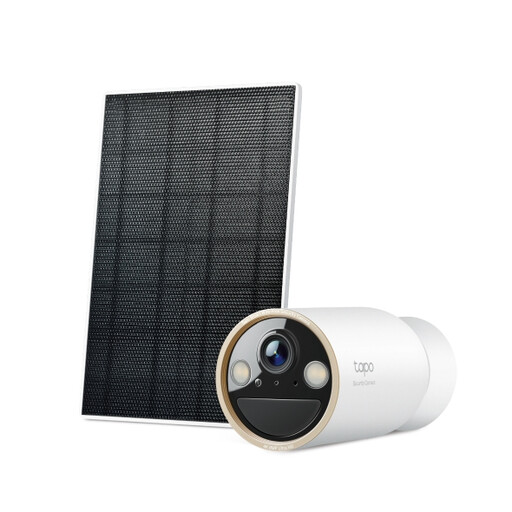
Why this model stands out: This kit combines a razor-sharp 4K resolution with a solar panel, so you don't have to compromise on image quality for the convenience of solar power.
Who is it for? Homeowners seeking the highest possible image quality for their driveway or garden who have a stable Wi-Fi signal. The magnetic base also makes installation incredibly simple.
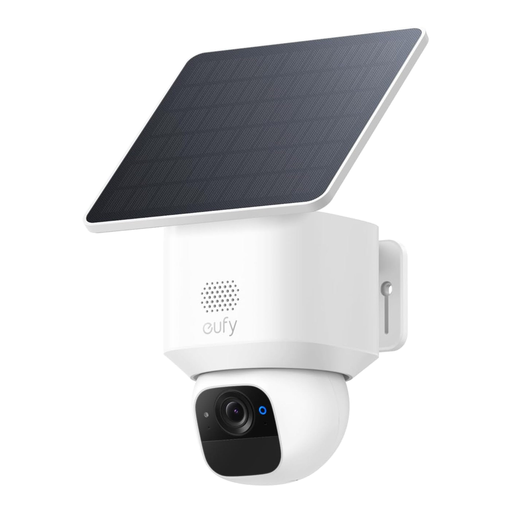
Why this model stands out: This camera provides a complete 360-degree overview thanks to its PTZ function and automatically tracks moving objects.
Who is it for? Users who want to monitor a large and active area, such as a garden or parking lot, with a single, smart camera that can track movement.
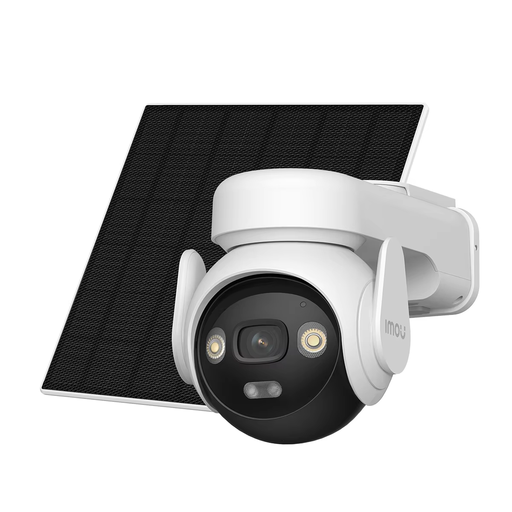
Why this model stands out: This is a fully autonomous solution that operates via 4G and is powered by a high-capacity solar panel and a large battery.
Who is it for? Ideal for remote locations without power and Wi-Fi, such as a holiday home, construction site, or pasture. This is the definition of an outdoor camera with a solar panel for complete independence.
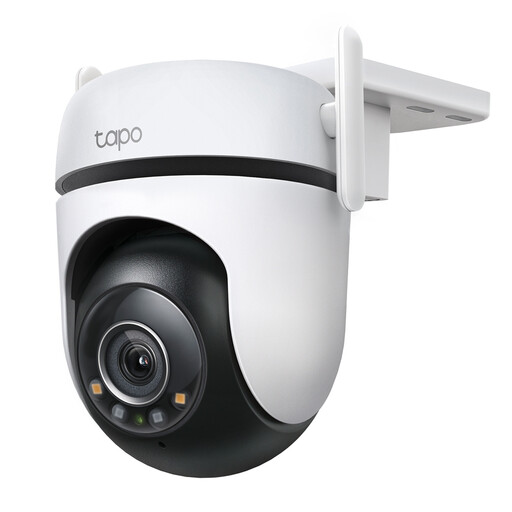
Why this model stands out: Although this model is mains-powered by default, it offers highly advanced PTZ and AI features at a competitive price. It's a popular choice for those who have a power source but want maximum control and coverage.
Who is it for? For users who have a power outlet available and are looking for an advanced outdoor PTZ camera with extensive AI features and flexible installation options.
If the model you're looking for isn't listed here, or if you're curious about other smart outdoor cameras, there are many different types available, each with its own unique features. For example, consider compact trail cameras that are perfect for observing wildlife in your garden.
See more options in the Wi-Fi Garden Trail Camera category here
1. How much sunlight does a solar-powered security camera need? This varies by model and the efficiency of the solar panel. Most manufacturers state that a few hours of direct sunlight per day are sufficient to recharge the battery under normal usage. In practice, this means the camera should be installed in a location that isn't constantly in the shade.
2. Does an outdoor camera with a solar panel work in the winter? Yes, modern solar panels also work on cloudy days, although their output is lower. The built-in battery acts as a buffer for dark days. During long, dark, and very cloudy periods in winter, the battery may drain faster. Many cameras have a power-saving mode to get through these periods.
3. Can I store footage without a subscription? Yes, many cameras, including the models mentioned above, offer the option to store footage locally on a MicroSD card. This means you don't need a monthly subscription to review recordings. Cloud storage is often an optional extra service for those who want a backup outside of the camera itself.
