
Vandaag of morgen in huis

Kwaliteit gegarandeerd

Welkomstaanbiedingen ontgrendelen: GRATIS bezorging | Tot 80% korting | Gratis 30 dagen JoyPlus-proefperiode
Download de app
Want to keep an eye on your driveway, backyard, or shed without the hassle of cables? A solar-powered security camera seems like the perfect solution. No power outlet needed, no electrician required—just mount it and you're set. But in reality, things can be more challenging. Many models promise the world but let you down during a gloomy winter.
Before you invest, it's crucial to understand the common pitfalls. We often see buyers disappointed by three specific problems:
A smart choice depends on the right specifications, not on marketing promises. Let's look at the technical features that truly matter.
To avoid buying a camera that stops working after three months, focus on the following three technical pillars.
A battery-powered security camera is only as strong as its weakest link: the power supply. Pay attention to the combination of two values:
A model with a large battery but a weak 3W panel will not make it through the winter on its own.
How the camera connects to the internet is crucial for its reliability.
Not all cameras are created equal. Look for features that suit your specific situation:
Based on these criteria, we have selected a few models that suit different user profiles.
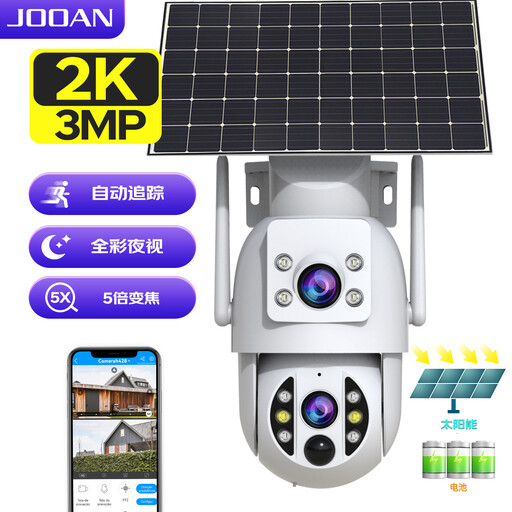
Why This Fits Their Persona: A practical choice for those who want to secure their garden or driveway and already have a good Wi-Fi signal. The camera offers a sharp 2K resolution and a large battery, providing a solid foundation without the extra cost of 4G.
With a 9000mAh battery, this model is better prepared for dark days than many competitors in the same price range, thus tackling the 'dead battery' pitfall.
PIR detection for accurate alerts and support for local storage on a TF card, so you're not locked into a cloud subscription.
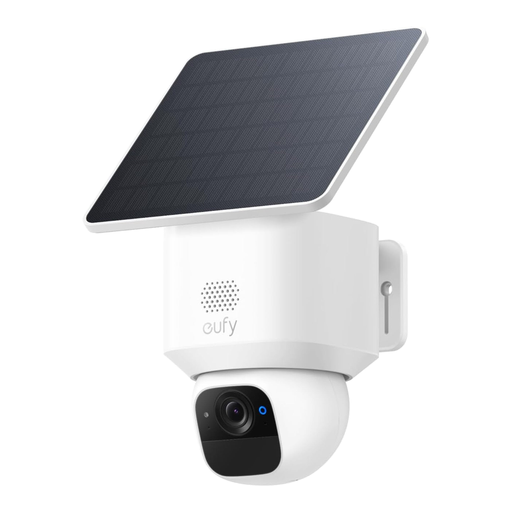
Why This Fits Their Persona: For those seeking advanced features and a reliable ecosystem. The 360° PTZ function and AI tracking allow for active monitoring of a large area, ideal for a driveway or spacious backyard.
This model offers the option to store footage locally on a microSD card, allowing you to completely avoid the pitfall of mandatory monthly subscription fees.
The built-in AI automatically tracks detected objects. According to the manufacturer Eufy, the solar panel only needs 2 hours of direct sunlight per day to keep the battery topped up.
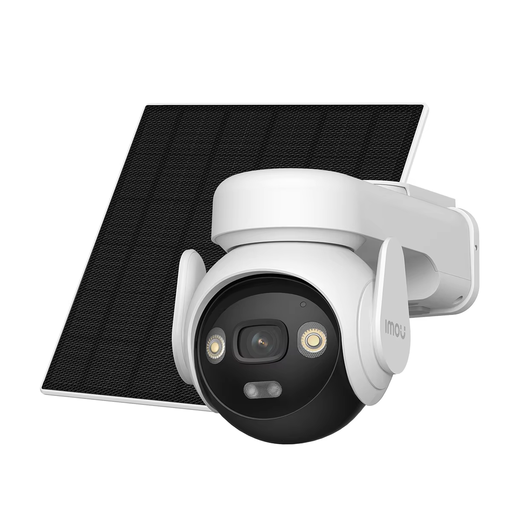
Why This Fits Their Persona: The solution for small business owners or owners of remote properties, farms, or holiday homes. This camera is completely self-sufficient thanks to the combination of solar power and 4G connectivity.
Tackles the two biggest pitfalls: the 10,000mAh battery and the 5W solar panel provide a robust power supply, while the 4G module eliminates dependence on an unstable Wi-Fi signal.
Complete autonomy in locations without power or Wi-Fi. The 5MP resolution and 360° PTZ function ensure comprehensive and detailed surveillance.
We have compiled a complete, up-to-date list of products that fully meet these strict selection criteria and local regulations.
It's less about bright sun and more about direct daylight. Most modern solar panels also work on cloudy days, although their output is lower. A good rule of thumb is to point the panel south, in a spot where it won't be in the shade for a few hours during the day. In the darkest winter months (December, January), some models may require you to manually charge the battery via USB once every 1-2 months.
Usually, yes, but you'll need a data-only SIM card with an active data plan or sufficient prepaid credit. Check the coverage of providers like AT&T, Verizon, or T-Mobile at the intended location beforehand. Data consumption depends on your usage; live streaming and frequent motion alerts use more data than when the camera is just on standby.
Generally, the installation is straightforward. Since no power cables need to be run, it's limited to mounting the camera and solar panel in the desired location with a few screws. The software setup involves downloading an app on your phone and following the steps to connect the camera to your Wi-Fi network or activate the 4G network.
