
Vandaag of morgen in huis

Kwaliteit gegarandeerd

Welkomstaanbiedingen ontgrendelen: GRATIS bezorging | Tot 80% korting | Gratis 30 dagen JoyPlus-proefperiode
Download de app
An attractively lit garden path, a secure driveway, or just some extra light by the shed without the hassle of cables. The demand for a solar-powered pedestal light with a motion sensor is understandable. It's a sustainable, safe, and easy solution. But the market is flooded with models that fail after one wet autumn or have the light output of a pilot light.
Before you make a purchase, it's wise to know where the pitfalls lie. Many lamps are promoted with vague promises that amount to very little in practice. We've listed the most common mistakes so you can make an informed choice.
You don't need to be a technical expert to avoid these problems. Just pay attention to a few clear specifications. These features determine whether a garden post light with a sensor is right for your situation.
The IP (Ingress Protection) rating indicates how well a device is protected against dust and moisture. This is a crucial factor for outdoor lighting.
So, always look for an IP44 certification or higher. If it's not listed, there's a high chance the lamp isn't designed for long-term outdoor use in our climate.
A 50 cm black garden light is a popular choice for a modern look along a garden path. The height is important: a lamp that is too low illuminates too little surface area, while one that is too high can be blinding. Most models for wire-free path lighting are between 50 and 80 cm high.
The material determines durability and appearance:
Two numbers are essential for the quality of the light:
Based on these objective criteria, we have selected a number of products that suit different user profiles.
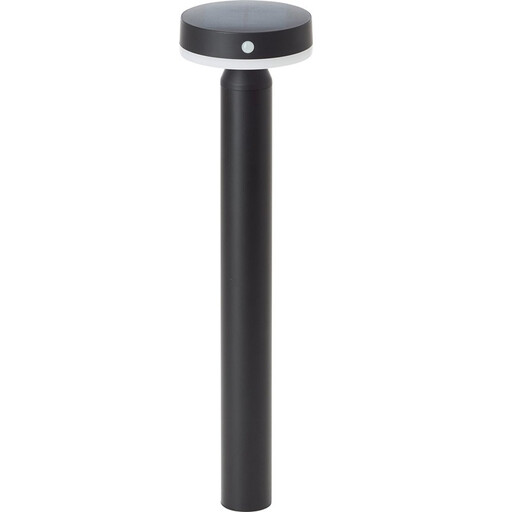
Why This Fits Their Persona: Ideal for those who want to provide a driveway, patio, or garden path with functional and stylish light without installation costs. The 50 cm height and sleek black design fit well in a modern garden.
This pedestal light has a clear IP44 classification, making it splash-proof. The 350 lumens and 4000K light colour ensure bright, neutral light, and the 120° sensor provides a reliable detection range.
The combination of a metal construction, solar power, and a motion sensor in one package. Installation is simple: place the lamp, and it's ready to use.
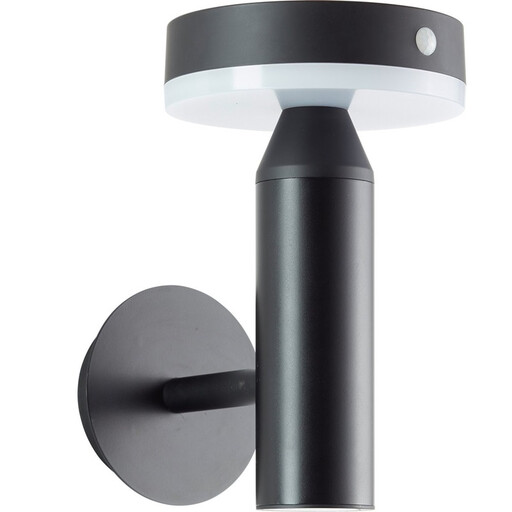
Why This Fits Their Persona: Perfect for those seeking security and lighting by a back door, shed, or along a fence. A wall lamp provides light from a higher position, which can cover a larger area.
This lamp is from the same series as the pedestal light and shares the same reliable specifications: an IP44 rating, 350 lumens, 4000K light colour, and a 120° motion sensor. No surprises.
Easy mounting on a wall or fence. The combination of solar power and a sensor makes it a 'set and forget' solution for security lighting.
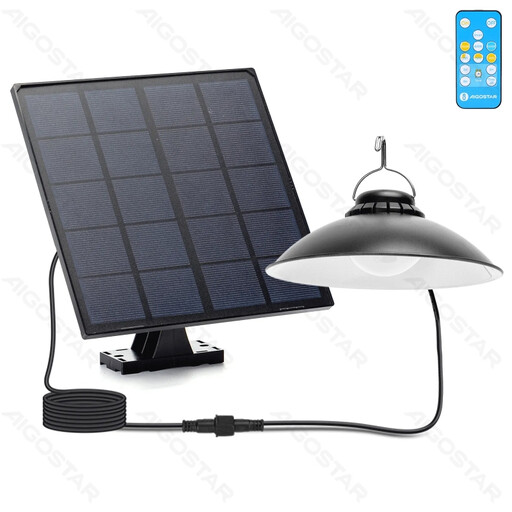
Why This Fits Their Persona: For those who want to light a covered terrace, porch, or balcony. A pendant light is often more practical and atmospheric here than a pedestal model. It runs entirely on solar power, so no outlet is needed.
With an IP65 rating, this lamp is very well protected against moisture. The ability to adjust the light colour (warm, neutral, cool) avoids the pitfall of an unpleasant light colour. You choose the atmosphere yourself.
Flexibility. The combination of solar power, a pendant design, and adjustable colour temperature makes this a versatile solution for covered outdoor spaces.
We have compiled a complete, up-to-date list of products that fully meet these strict selection criteria and UK safety regulations.
Yes, that's one of the biggest advantages. Because no power cables are involved, installation is typically very simple. For a pedestal or post light, this usually means securing the base to a solid surface. A wall light is screwed onto the wall. No electrician is required.
Yes, but performance may be reduced. The lamp charges via daylight, not necessarily direct sunlight. In winter, the days are shorter and the light is less intense, so the battery doesn't charge as fully. However, most modern lamps have efficient solar panels and batteries that charge sufficiently even on a cloudy day for several hours of operation in the evening, especially when combined with a motion sensor that only activates the lamp when needed.
The lifespan depends on two components: the LED lamp and the battery. The LEDs themselves last a very long time, often 15,000 to 25,000 operating hours. The rechargeable battery is usually the component that wears out first. A good lithium-ion battery can withstand hundreds of charge cycles, which translates to a lifespan of several years. In many models, the battery is replaceable.
