
Vandaag of morgen in huis

Kwaliteit gegarandeerd

Welkomstaanbiedingen ontgrendelen: GRATIS bezorging | Tot 80% korting | Gratis 30 dagen JoyPlus-proefperiode
Download de app
A solar-powered outdoor light seems like the ideal solution: no fussing with cables, no extra costs on your energy bill, and a sustainable choice. In reality, the experience can be less than ideal. Many people buy a light that gives up after the first autumn storm, or provides light so dim you can barely find the keyhole.
Before you make a purchase, it's wise to know the common pitfalls. Frequent problems include:
With the right knowledge, you can avoid a bad purchase. This guide helps you understand the specifications that truly matter.
You don't need to pore over a technical manual to make a good choice. Pay attention to the following three points, and you can be confident you're choosing a product that suits your needs and the local climate.
The IP rating (Ingress Protection) indicates how well a device is protected against dust and water. This is a crucial specification for solar outdoor lighting.
For most solar garden lighting like a solar wall light, IP44 or IP65 is sufficient.
Don't be misled by vague marketing terms. The brightness and colour of the light are expressed in concrete values:
led outdoor light for security can even have 4000 lumens or more.A wireless outdoor light powered by the sun must be economical with its stored energy. Sensors help with this:
Based on objective specifications, we've selected a few products that suit different needs.
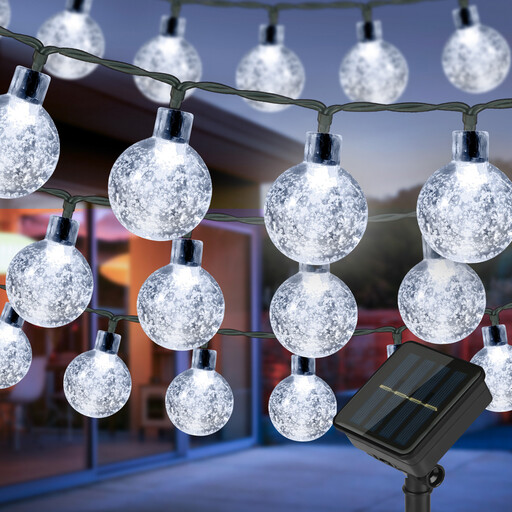
Why This Fits Their Persona: Perfect for those who want to transform a balcony, patio, or pergola into an atmospheric space. The brightness is geared towards decoration, not harsh illumination, which is ideal for cosy evenings.
This string light doesn't pretend to be a security light. It's designed for ambiance, and its battery life is well-matched for this purpose, thanks in part to its 8 different modes.
Simple, tool-free installation and 8 light modes to customise the atmosphere. The flexible copper wire is easy to shape.
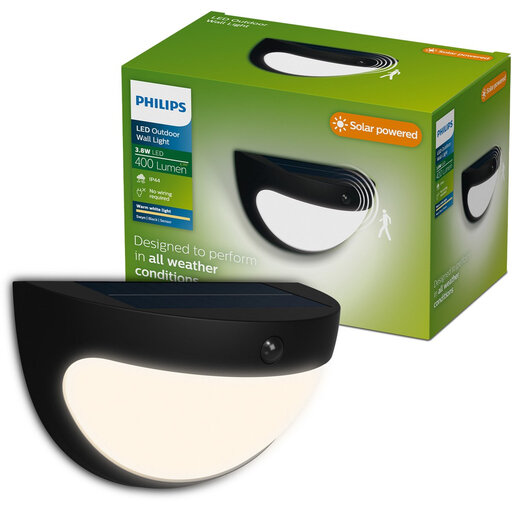
Why This Fits Their Persona: A reliable `solar wall light` for functional light at the shed, front door, or along a path. The warm white light (2700K) is functional without being harsh.
The combination of a motion sensor and a dusk-to-dawn sensor ensures the battery isn't drained unnecessarily. The IP44 rating is sufficient for its intended wall-mounted use.
Operates fully automatically thanks to the sensors. The 400-lumen output is more than enough for orientation in the dark.
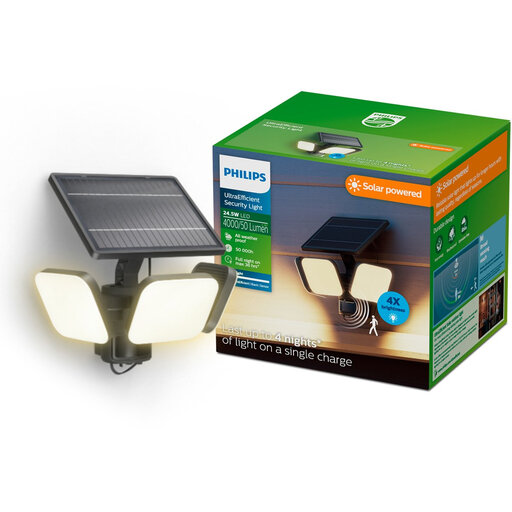
Why This Fits Their Persona: For those who want to powerfully illuminate a driveway, backyard, or dark corner for maximum visibility and a sense of security. This is not an ambient light, but a serious floodlight.
This lamp delivers what it promises: a very high light output of 4000 lumens. The IP65 rating and robust housing ensure it can withstand severe weather, and its efficient technology provides a long runtime.
Extremely powerful light and a wide sensor detection angle (up to 16 meters). The head is adjustable to aim the light exactly where it's needed.
Didn't find what you were looking for? There are more lighting options that don't rely on the sun but are still easy to install.
1. Do solar outdoor lights work in winter? Yes, but their performance may be reduced. In winter, the days are shorter and sunlight is less intense, so the battery doesn't charge as fully. A lamp with a high-quality solar panel and an efficient LED, preferably with a motion sensor, will still function in winter. However, the runtime per night may be shorter than in the summer.
2. How long do solar outdoor lights last? The lifespan depends on the quality. The LED bulb itself often lasts a long time (e.g., 25,000 hours). The weakest link is usually the rechargeable battery, which can lose capacity after a few years. The quality of the housing and its water resistance (IP rating) also determine how long the lamp will last in your climate.
3. Where should I place the light for the best results? Always place the solar panel in a location where it can receive as much direct sunlight as possible during the day. A south-facing orientation is ideal. Avoid placing it in the shade of trees, buildings, or an overhang. Also, ensure the panel is kept free of dirt, leaves, and snow.
