
Vandaag of morgen in huis

Kwaliteit gegarandeerd

Welkomstaanbiedingen ontgrendelen: GRATIS bezorging | Tot 80% korting | Gratis 30 dagen JoyPlus-proefperiode
Download de app
Solar outdoor lighting is ideal if you want to illuminate a garden, balcony, façade or driveway without running cables to the mains. However, a purchase can sometimes disappoint. A light may run for less time than expected, the motion sensor may respond too slowly or the solar panel may receive hardly any direct sunlight.
The main pitfalls usually have less to do with appearance and more with the combination of light output, positioning, battery life and protection against moisture. Use the considerations below to compare outdoor solar lights in a practical way.
A high number of LEDs does not automatically mean that a light will brightly illuminate a large area. Also check the luminous flux in lumens and the beam angle. A decorative solar garden light with a low light output is suitable for creating ambience, but not for a driveway or dark passageway.
For functional lighting, the direction of the light head and the mounting height are also important. A light with adjustable heads can distribute light more effectively across a façade, shed or patio.
The term ‘waterproof’ is sometimes used rather broadly in product descriptions. Therefore, check the official IP rating:
A solar wall light with IP44 is therefore not the same as a waterproof solar light for locations subject to intensive exposure. Install the product according to the safety instructions and avoid spraying it directly with a pressure washer.
A solar-powered outdoor light only works predictably when the panel receives sufficient daylight. Shade from a roof edge, tree or fence reduces charging performance. In winter, the days are shorter and the sun is lower, so the operating time may decrease.
Also check that the solar panel remains clean. Dust, leaves and bird droppings reduce the amount of light reaching the battery.
Lumens indicate how much visible light a lamp produces. As a guide:
Colour temperature is measured in kelvin (K). Warm white light around 2,700–3,000 K has a softer appearance and suits a patio or solar table lamp. Around 4,000 K, the light is more neutral. Higher values produce cooler, whiter light, which is mainly used for functional lighting.
For outdoor lighting with a motion sensor, check the detection range and field of view. A sensor with a wide angle is practical for a driveway or garden path, while a smaller detection zone may be suitable for a front door.
Pay attention to positioning: do not mount the sensor directly behind an obstacle and point it towards the direction of travel. Manufacturer specifications are based on specific conditions; temperature, distance and mounting height can affect actual detection performance.
Battery capacity is often stated in mAh, but this figure alone does not indicate how long a light will run. Operating time also depends on the brightness setting, the amount of sunlight and the age of the battery.
A light with a USB charging option offers extra flexibility during darker periods. For solar string lights, it is sensible to check the stated charging time and operating time. For example, VIVREAL models specify 6–8 hours of charging in direct sunlight and 8–14 hours of illumination, depending on the weather conditions. This is a product specification; the manufacturer describes this performance under the stated conditions.
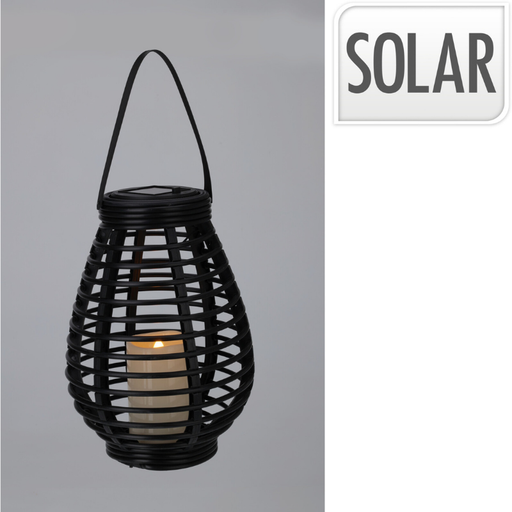
Why it suits this profile: This compact solar garden light is designed to provide simple ambient lighting for a patio, garden path or balcony. It requires no wiring and has an on/off switch.
The product information specifies one warm yellow LED and clearly states the dimensions of 18 x 18 x 26 cm. Its purpose is therefore clear: soft decorative lighting, not a floodlight.
Integrated solar panel, 1.2 V Ni-MH battery and cordless installation.
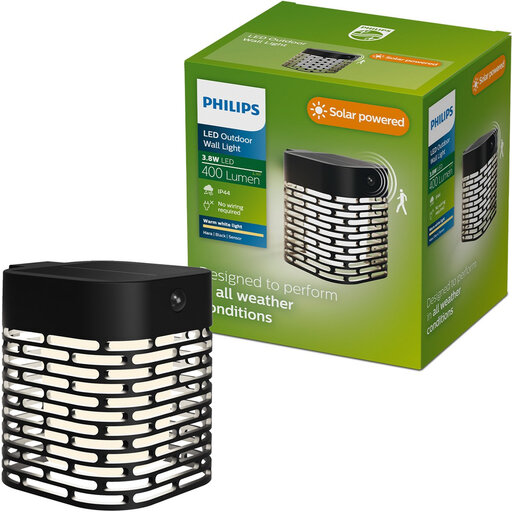
Why it suits this profile: This solar wall light is well suited to an entrance, balcony or façade where a neat appearance and easy installation are important.
The specifications state IP44 and two light settings. You should therefore expect splash protection and adjustable use, not submersion protection or full-area illumination.
400 lumens per light point, warm white light at 2700 K and no mains connection required.

Why it suits this profile: This model is intended for larger areas such as a garage, driveway, garden or patio where plenty of light and motion detection are required.
The product description specifically states 3,000 lumens, IP65, three light settings and a motion sensor with a stated detection range of 60 feet and an angle of 180 degrees.
Three adjustable light heads, 270° coverage and a stated battery capacity of 1,800 mAh.
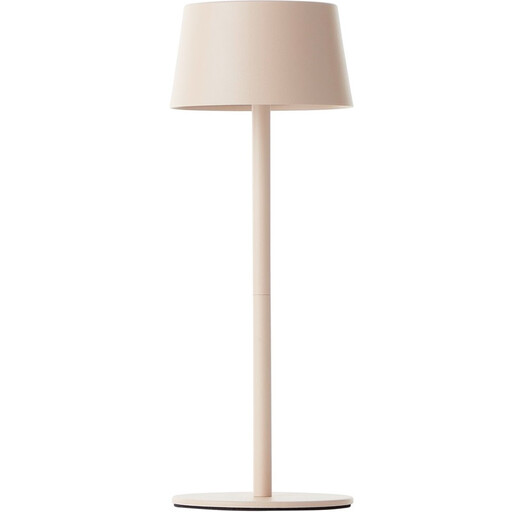
Why it suits this profile: This solar table lamp is suitable for dinners, outdoor lounge sets and balconies where soft light matters more than a wide range.
The light output of 170 lumens and warm colour temperature of 3000 K make its purpose clear. IP44 means splash protection; the light is not designed to stand underwater.
Dimmable across three settings and rechargeable using solar power or USB.
Choose a location with as much direct daylight as possible. Do not simply point the panel towards a clear sky; also check that trees and buildings do not cast shade during the day. Mount wall lights on a sturdy surface and, after installation, check that the sensor covers the desired area.
Clean the solar panel regularly with a soft, slightly damp cloth. Do not use harsh cleaning products. For table lamps with IP44, it is advisable not to expose them to puddles or direct water jets for prolonged periods. Always follow the instructions for battery maintenance and correct disposal.
We have put together a complete, up-to-date list of products that fully meet these strict selection criteria and the applicable European safety regulations.
Yes, but operating time may be shorter because there are fewer hours of daylight, the sun is lower in the sky and there may be more cloud cover. Position the panel as unobstructed as possible and keep it clean. A model with USB charging can provide extra flexibility during darker periods.
Lifespan varies depending on the product and conditions of use. The LED itself generally lasts longer than the battery, but the stated figure is determined by the manufacturer. For example, Philips states a lifespan of 25,000 operating hours for certain models. This is a specification from Philips and is not a guarantee of the total lifespan of the light or battery.
During normal use, a solar light draws energy from its built-in solar panel and uses a rechargeable battery. It therefore does not need to be connected to the mains. Models with USB, such as some solar table lamps, can also be charged manually when little sunlight is available.
